2025 Top Nickel Alloy Trends You Need to Know About
The demand for Nickel Alloys is projected to soar as global industries increasingly recognize their superior properties, particularly in harsh environments. According to a report by Mordor Intelligence, the global nickel alloys market is expected to grow at a CAGR of 7.3% between 2021 and 2026, driven by advancements in various sectors including aerospace, automotive, and oil and gas. These alloys are renowned for their excellent resistance to corrosion and extreme temperatures, making them essential in applications that require reliability and durability.
As we approach 2025, several trends are emerging that will significantly shape the Nickel Alloy market. The push for sustainable manufacturing processes is prompting the industry to innovate in material sourcing and recycling, while technological advancements are enhancing the performance characteristics of Nickel Alloys. Furthermore, the increasing applications of nickel-based materials in battery technology, particularly for electric vehicles, highlight the multifaceted importance of Nickel Alloys in the evolving landscape of modern engineering. Understanding these trends is crucial for stakeholders aiming to leverage the full potential of Nickel Alloys in their operations and products.

Emerging Nickel Alloy Applications in Various Industries for 2025
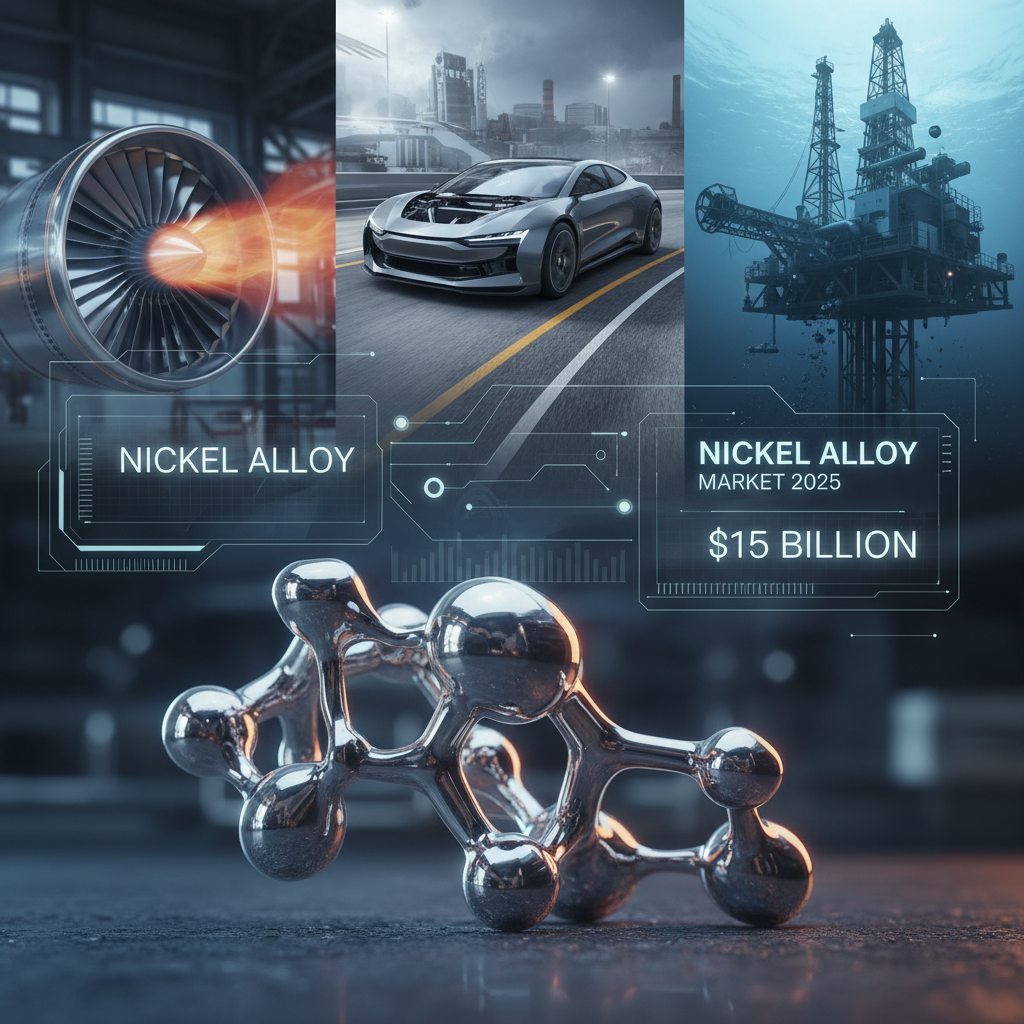
Nickel alloys are seeing significant growth and diversification in their applications across various industries as we approach 2025. Industries such as aerospace, automotive, and energy are increasingly adopting nickel alloys due to their superior strength, corrosion resistance, and adaptability. According to a recent report by Research and Markets, the global nickel alloys market is projected to reach approximately $15 billion by 2025, with a compound annual growth rate (CAGR) of about 5.5%. This robust growth is driven by the rising demand for high-performance materials in extreme environments.
In the aerospace sector, nickel alloys are being utilized in turbine engines and other critical components, where they are essential for maintaining performance under high temperatures and stress. The latest advancements in nickel alloy technology, including the development of superalloys, have enabled manufacturers to produce lighter and more durable components that enhance fuel efficiency. Meanwhile, in the renewable energy sector, nickel alloys are being increasingly used in turbines for wind energy, contributing to the industry's shift towards greener solutions. This transition is supported by data from the International Energy Agency (IEA), which highlights a projected increase in global demand for energy-efficient and sustainable materials.
Key Innovations in Nickel Alloy Manufacturing and Processing Technologies
The realm of nickel alloy manufacturing and processing is witnessing rapid advancements, driven by the growing demand for high-performance materials in various industries. Key innovations, such as additive manufacturing techniques, are transforming traditional production methods. By leveraging 3D printing, manufacturers can create complex geometries that were previously unrealistic, thereby enhancing the performance characteristics of nickel alloys. This technology not only reduces material waste but also streamlines the production process, making it more efficient and cost-effective.
Another significant trend is the development of advanced surface treatment techniques. Innovations in coating technologies are enabling better corrosion resistance and improved wear performance of nickel alloys. Techniques such as laser surface melting and the application of nanocoatings are gaining traction, providing manufacturers with the ability to tailor surface properties to meet specific application needs. Additionally, the integration of smart manufacturing technologies, including IoT and AI, is optimizing processing operations, from real-time monitoring to predictive maintenance, ultimately enhancing overall product quality and operational efficiency.
Environmental Sustainability Trends Impacting Nickel Alloy Production
Environmental sustainability is increasingly shaping the production of nickel alloys, driving innovations and trends in the market. As the demand for nickel-based superalloys grows, the global market is projected to expand from $2.04 billion in 2025 to an impressive $4.98 billion by 2032, marking a compound annual growth rate (CAGR) of 13.6%. This upward trajectory underscores the critical role that nickel alloys play in modern industries, particularly in energy technologies such as water electrolysers and fuel cells, which are essential for achieving global energy transition goals.
The focus on sustainable supply chains is paramount as industries seek to minimize their environmental impact. Reports indicate that by 2034, the nickel market size could reach USD 84.49 billion, with a significant contribution from eco-friendly practices in nickel production. As manufacturers prioritize the sourcing of critical materials with lower ecological footprints, innovations in mining and material processing are likely to emerge, catering to the demands for cleaner energy solutions and compliance with increasingly stringent environmental regulations.
The integration of sustainability into nickel alloy production not only supports technological advancements but also ensures a resilient and responsible approach to resource management.
Market Forecast: Demand and Supply Dynamics for Nickel Alloys in 2025
The nickel alloy market is poised for significant developments as we approach 2025, driven by complex demand and supply dynamics. According to industry forecasts, the demand for nickel alloys will continue to be bolstered by the aerospace sector, where the market for nickel-based superalloys is projected to exceed a valuation of US$ 24.6 billion by 2033. This growth is underpinned by the substantial order backlogs that aerospace manufacturers are currently facing, indicating a robust long-term demand trajectory.
However, the global nickel market is also navigating a landscape marked by structural oversupply and shifting supply dynamics. In 2024, various factors including fluctuating demand and heightened environmental regulations caused significant disruptions. The interplay between rising demand from electric vehicle production and the need to ensure sustainable sourcing of nickel presents both challenges and opportunities for stakeholders in the industry. Keeping a close eye on these trends will be crucial for understanding the market's trajectory leading into 2025.
2025 Top Nickel Alloy Trends You Need to Know About - Market Forecast: Demand and Supply Dynamics for Nickel Alloys in 2025
| Trend |
Projected Demand (Metric Tons) |
Growth Rate (%) |
Key Applications |
| Increased Use in Aerospace |
120,000 |
8 |
Aircraft Components, Turbines |
| Growing Demand in Oil & Gas |
150,000 |
6 |
Pipelines, Offshore Structures |
| Increased Applications in Automotive |
90,000 |
5 |
Exhaust Systems, Frames |
| Emerging Sector: Renewable Energy |
70,000 |
12 |
Wind Turbines, Solar Energy |
| Rise in Medical Device Manufacturing |
40,000 |
10 |
Surgical Instruments, Implants |
Comparative Analysis of Nickel Alloys versus Other Alloys Faced in 2025
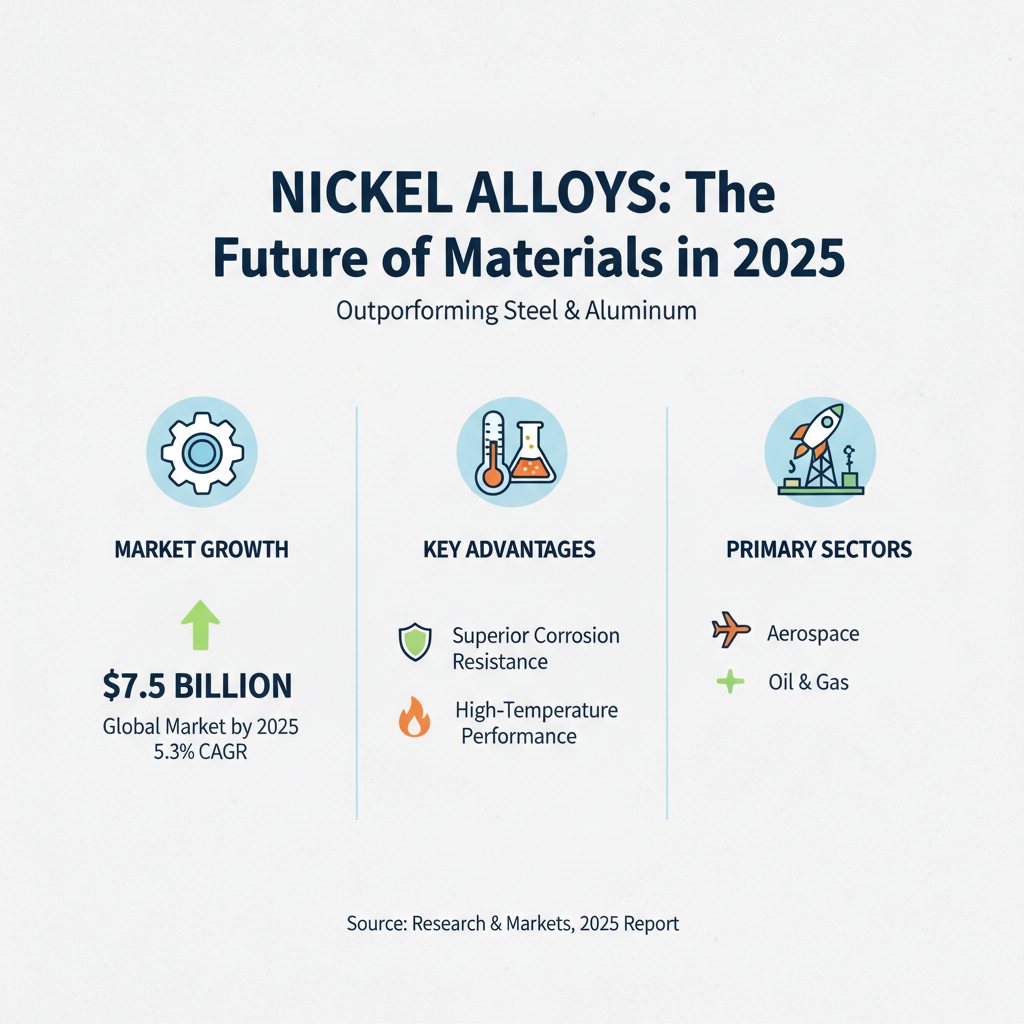
In 2025, the landscape of alloy technology is witnessing significant changes, particularly with the rising prominence of nickel alloys. A comparative analysis indicates that nickel alloys are poised to outperform traditional materials such as steel and aluminum in various industrial applications. According to a recent market report by Research and Markets, the global nickel alloy market is projected to grow at a CAGR of 5.3%, reaching $7.5 billion by 2025. This growth is driven by the alloys' superior corrosion resistance and high-temperature performance, making them invaluable in the aerospace and oil and gas sectors.
When comparing nickel alloys to other materials, their unique properties stand out. Nickel alloys can maintain mechanical strength and integrity in extreme conditions, which is crucial for industries like chemical processing, where exposure to harsh environments is a norm. For instance, a study conducted by the International Nickel Study Group revealed that nickel alloys exhibited a 30% longer lifespan in corrosive environments compared to standard stainless steel. This durability not only enhances safety but also reduces downtime and maintenance costs, making nickel alloys a more economically viable option in the long run. As the industry continues to evolve, the advantages of nickel alloys are likely to reshape material selection strategies across multiple sectors.