2026 Top Carbon Steel Pipe Buying Guide for Global Importers?
Navigating the world of Carbon Steel Pipe procurement can be challenging for global importers. With evolving standards and diverse manufacturers, finding high-quality products is crucial. This guide aims to provide essential insights for informed purchasing decisions in 2026.
Carbon Steel Pipe has numerous applications across various industries, including construction and manufacturing. Importers must understand specifications and required grades. Quality assurance and supplier reliability are equally critical. Yet, not all suppliers are trustworthy, and not all pipes meet the standards. Research and due diligence are key to avoiding pitfalls in this competitive market.
In an ever-changing supply chain landscape, factors like international shipping and tariffs cannot be overlooked. Importers need to stay updated on these elements to mitigate risks. Understanding market trends will also enable smarter purchasing strategies. Carbon Steel Pipe is not just a product; it is an investment that demands careful consideration and planning.
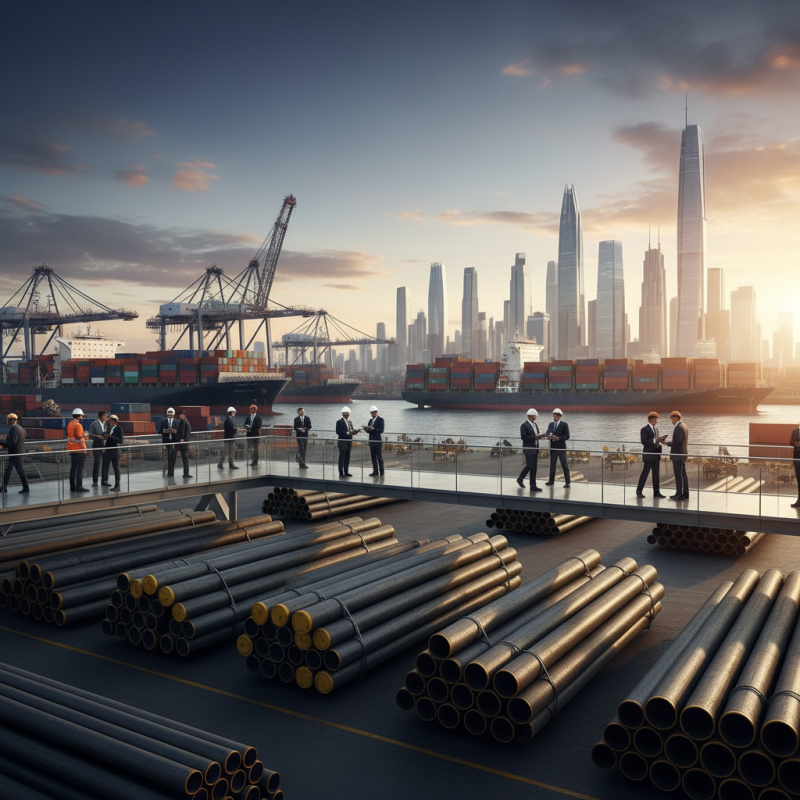
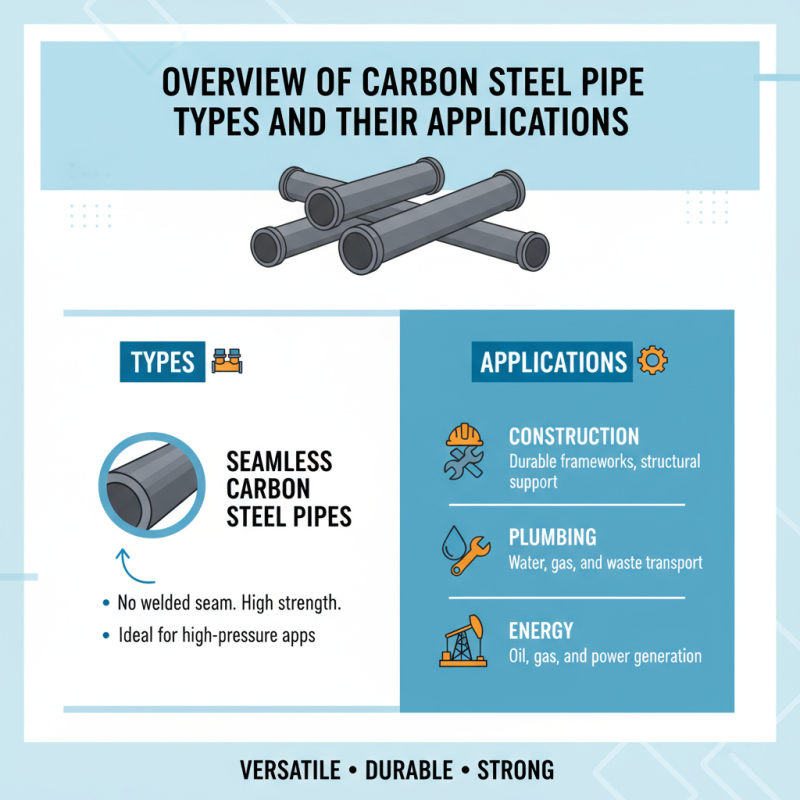
Overview of Carbon Steel Pipe Types and Their Applications
Carbon steel pipes are versatile components in various industries. Their durability and strength make them ideal for construction, plumbing, and energy applications. There are several types, each suited for specific needs. For example, seamless carbon steel pipes are commonly used in high-pressure applications because they can withstand extreme conditions.
Welded carbon steel pipes, on the other hand, are often more cost-effective for low-pressure jobs. They are generally easier to produce, but a weld can be a weak point. That’s important to consider during selection. Understanding the various applications is crucial. It can help determine which type aligns with project requirements.
Manufacturers continuously innovate, but challenges remain. Quality assurance is paramount, especially with welded pipes. Not every supplier meets stringent standards. Importers should conduct thorough research. It's essential to verify the credibility of suppliers. They must check certifications and past performance.
Key Factors to Consider When Purchasing Carbon Steel Pipes
When purchasing carbon steel pipes, several key factors demand attention. Understanding the specifications is essential. Carbon steel pipes come in different grades and sizes, influencing their durability and usability. The grade determines how the pipe will perform in various environments. Selecting the right grade ensures long-term satisfaction.
Another crucial factor is the supplier’s reputation. Reliable suppliers are vital for purchasing quality materials. Research their history and user reviews. Check if they have certifications that vouch for their standards. This analysis can prevent future issues with your piping needs.
Quality assurance is also worth evaluating. Ask about their testing methods and what standards they follow. This step helps ensure the pipes can withstand intended stress and corrosion. Keep in mind that not all suppliers may meet these standards consistently. Be prepared for a thorough evaluation process to make a sound investment.
2026 Top Carbon Steel Pipe Buying Guide for Global Importers
| Dimension |
Specification |
Standard |
Material Grade |
Price Range (per ton) |
Application |
| 1/2 inch |
Schedule 40 |
ASTM A53 |
A106 Gr.B |
$600 - $700 |
Oil & Gas |
| 1 inch |
Schedule 80 |
API 5L |
A53 Gr.B |
$700 - $800 |
Construction |
| 2 inch |
Schedule 40 |
ASTM A106 |
S235JR |
$650 - $750 |
Water Supply |
| 3 inch |
Schedule 80 |
API 5L |
A106 Gr.C |
$800 - $900 |
Pipelines |
| 4 inch |
Schedule 40 |
ASTM A53 |
BSA 1020 |
$720 - $820 |
Manufacturing |
Understanding Global Standards and Specifications for Carbon Steel
When considering carbon steel pipes, understanding global standards is crucial. Various specifications define quality. The ASTM A106 is a notable example. It governs seamless carbon steel pipes for high-temperature service. According to industry reports, about 30% of global carbon steel pipe consumption adheres to this standard.
European standards also play a key role. EN 10216 outlines requirements for non-alloy steel tubes. These pipes find applications in pressure systems, dictating their strength and durability. A recent study indicated that over 60% of European imports must meet these standards to ensure reliability.
However, compliance can be tricky. Some manufacturers may overlook specifications to cut costs. Quality assessments are essential. Buyers should scrutinize certifications. A failure to do so can lead to significant operational disruptions. Understanding these standards is not just important; it’s imperative for successful importation.
Evaluating Suppliers and Quality Assurance in Carbon Steel Production
When purchasing carbon steel pipes, evaluating suppliers is crucial. Quality assurance plays a significant role in this process. Many importers overlook the importance of certifications. A recent industry report suggests that 70% of pipe failures are due to substandard manufacturing practices. This highlights the need for thorough supplier assessment.
Potential buyers should seek suppliers with ISO 9001 certifications. Such certifications indicate adherence to quality management standards. Additionally, understanding the production process is essential. Buyers must know the types of tests that pipes undergo. Non-destructive testing, for example, is vital for assessing structural integrity. Reports indicate that 50% of manufacturers fail to conduct these tests adequately.
Furthermore, engaging with suppliers about their raw material sources can provide insight. The quality of steel used directly affects the final product's performance. Discussions around material traceability should be standard practice during negotiations. Importers who invest time in evaluating suppliers often find better quality pipes and reliability. The statistics show that quality-focused importers experience 30% fewer operational issues. This reflects the importance of a comprehensive quality assurance approach in the carbon steel pipe industry.
Tips for Importing Carbon Steel Pipes: Logistics and Regulations
Importing carbon steel pipes involves detailed logistics and regulatory compliance. Understanding the import requirements of the destination country is essential. Each region has specific standards on quality and safety. Knowing these regulations helps avoid costly delays.
Transportation logistics also play a critical role. Choose reliable carriers with experience in handling heavy materials. Verify their facilities and equipment are suitable for transporting steel pipes. Shipping timelines can vary widely. It is crucial to plan ahead and consider customs clearance times.
Documentation errors can lead to significant issues. Ensure all paperwork—such as bills of lading, invoices, and certificates of origin—is accurate. Missing documents can cause customs delays and additional fees. Always double-check compliance with local regulations. This attention to detail fosters smoother transactions and builds credibility with partners. Ensuring that every step is carefully managed can mitigate risks associated with international shipping.