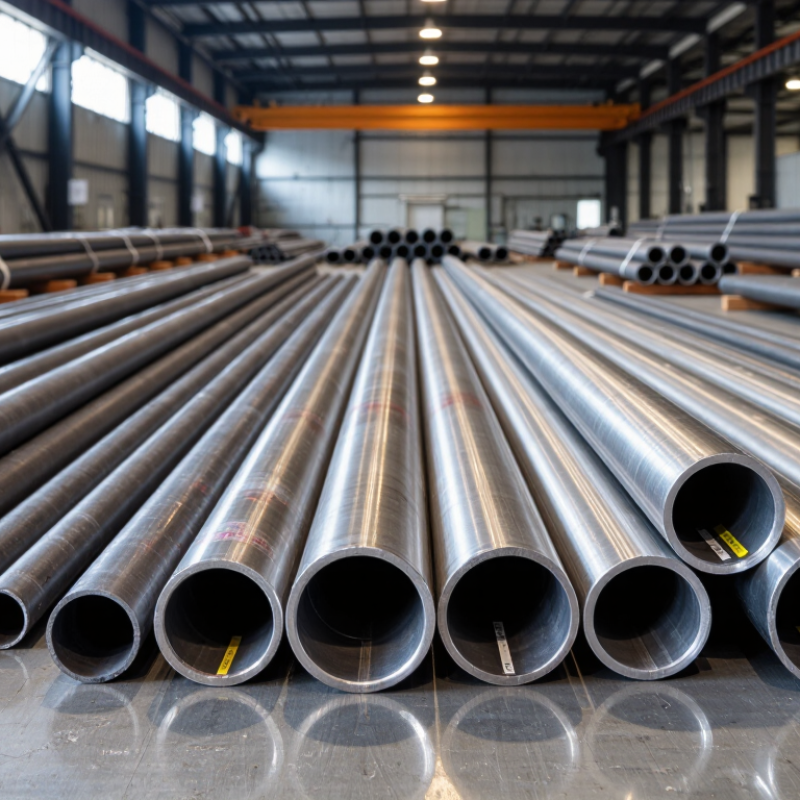
Seamless Pipe is used in oil and gas systems, power plants, refineries, and demanding industrial equipment. Its lack of a welded seam can be valuable where pressure, temperature, or inspection requirements shape the design. But “seamless” does not automatically mean suitable. Buyers still need to match the pipe’s material, dimensions, and manufacturing quality to the actual service conditions.
This guide compares common options, including carbon steel, alloy steel, stainless steel, and duplex stainless steel. Each brings different strengths. Carbon steel often serves general and high-pressure applications, while alloy grades may better tolerate elevated temperatures. Stainless and duplex grades can offer improved corrosion resistance, though their cost and performance depend on the specific environment. Check the required grade, outside diameter, wall thickness, end finish, and applicable product specification before comparing quotations. Ask suppliers for material test certificates, heat numbers, inspection records, and clear traceability. These details matter when a shipment arrives with bundles, markings, and paperwork that must agree. No shortcut works. A useful comparison also considers lead time, manufacturing origin, packing, and delivery terms. Standards and acceptance requirements vary by project and destination, so confirm them with the engineer or purchaser responsible for the order. A neat comparison table can still miss a real operating detail. That is worth remembering. The sections ahead offer a practical starting point for global buyers—not a substitute for project-specific engineering review.
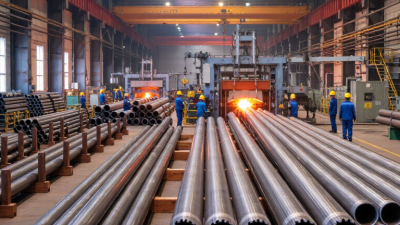
Rotary piercing turns a solid, heated steel billet into a hollow shell. Two angled rolls rotate and push the billet over a piercing plug. The plug opens the center; later rolling controls wall thickness and diameter. Operators watch billet temperature, roll alignment, and surface condition. Small process changes can leave eccentric walls or seams that need careful inspection. The method is efficient, but it does not guarantee a defect-free pipe.
ASTM A106 covers seamless carbon steel pipe intended for high-temperature service. Grade selection depends on design needs, not on the standard’s name alone. Buyers should review the applicable edition, chemistry and mechanical requirements, and required examinations. Temperature, pressure, fluid, and corrosion conditions all affect suitability. A106 is not a universal answer for every hot line. Details matter. I would also verify the mill test report against the order, since paperwork errors can be easy to overlook. Before installation, confirm that the selected pipe aligns with the governing design code and service conditions.
Tips: For ASTM A106, check the specified grade, size, schedule, and test documents. Confirm that the pipe’s material and dimensions match the project requirements. Keep records traceable.
For global buyers, API 5L X52 and X70 indicate minimum yield-strength classes, not guaranteed pipeline pressure ratings. API Specification 5L, 46th edition (2018), Table 7, lists minimum yield strengths of 359 MPa for X52 and 483 MPa for X70—about 52 and 70 ksi. Numbers matter. Yield strength describes when steel begins to deform permanently under tensile loading; it does not, by itself, determine a pipe’s safe operating pressure.
In practical selection, X70’s higher specified strength may support a thinner-wall design under suitable conditions, but the calculation must account for diameter, wall thickness, temperature, weld factors, and the applicable design code. A mill certificate should confirm the ordered grade and test results; buyers should also check dimensions, inspection records, and project-specific toughness requirements. The distinction is easy to miss. A stronger grade is not automatically the better purchase if fabrication, service conditions, or inspection needs differ. API 5L provides the grade requirements, while engineering design verifies whether a particular pipe fits the intended duty.
2026 Best Seamless Pipe Types for Global Buyers?
Stainless and Alloy Options: 316L (UNS S31603) and ASTM A335 Cr-Mo Grades
For corrosive process lines, 316L seamless pipe offers a useful balance of weldability and corrosion resistance. Its low carbon content helps reduce sensitization after welding, especially when fabrication procedures are controlled. It is not immune to pitting or crevice corrosion. Warm chloride water can still cause trouble, so buyers should assess the actual fluid, temperature, and cleaning conditions.
ASTM A335 covers seamless ferritic alloy-steel pipe for elevated-temperature service. Common Cr-Mo grades include P11, P22, and P91, each with different alloy content and performance requirements. These grades are used in high-temperature piping, but selection must match design pressure, operating temperature, and the applicable engineering specification. Details matter. Heat treatment and welding controls are not minor paperwork; they affect the finished pipe’s properties.
A purchase order should state the exact grade, dimensions, delivery condition, inspection requirements, and material certification needs. Verify heat numbers against test documents, and check dimensional results before installation. For 316L, confirm the specified chemistry and corrosion assumptions. For Cr-Mo pipe, review heat-treatment records and weld procedures. A grade name alone is not enough. Buyers sometimes focus on price and overlook traceability; that shortcut can become an expensive correction later.
Representative composition comparison for 316L and selected ASTM A335 grades. Bars show the midpoint of each specified composition range; hover for the range.
Composition is shown as weight percent. 316L is a stainless steel grade commonly specified for pipe under ASTM A312; P11, P22, and P91 are Cr-Mo alloy steel grades covered by ASTM A335. Confirm requirements against the applicable standard edition and material specification.
Choosing seamless pipe starts with matching the dimensional standard to the material and service. ASME B36.10M covers welded and seamless wrought steel pipe, while B36.19M covers stainless steel pipe. Their tables define nominal pipe size, outside diameter, and wall thickness. They are not interchangeable by default. Check the standard named in the purchase specification.
A useful comparison is NPS 14. ASME B36.10M lists Schedule 40 wall thickness as 0.437 inches; B36.19M lists Schedule 40S at 0.375 inches. That is a meaningful difference for weight and flow area. At NPS 2, both standards list a 2.375-inch outside diameter, but matching outside diameter alone does not confirm matching wall thickness. These figures come from the ASME B36.10M and B36.19M dimensional tables.
Schedules are not pressure ratings. Pressure design also depends on material strength, temperature, corrosion allowance, and the applicable design code. I still see buyers compare schedule numbers before checking the actual table. That shortcut can mislead. Confirm the NPS, schedule suffix, material specification, and end preparation on the pipe documents, then verify dimensions against the applicable ASME edition.
For 2026 pipe sourcing, compare API 5L PSL 1 and PSL 2 against the project’s actual service conditions. PSL 1 sets basic requirements for line pipe, while PSL 2 generally adds tighter controls on chemistry, mechanical properties, testing, and traceability. The difference can affect material selection, inspection plans, and delivery documents. Details matter.
ISO 3183 covers steel pipe for pipeline transportation systems in the petroleum and natural gas industries. It is closely related to API 5L, but buyers should not assume that a pipe certified to one automatically meets every purchase requirement for the other. Confirm the applicable edition, grade, manufacturing route, dimensions, and supplementary requirements in the order.
A practical check is to match the certificate and markings to the specified PSL, then review heat numbers, test results, and inspection records. For PSL 2, verify that required toughness and non-destructive testing are documented for the ordered grade and size. Small gaps in paperwork can slow acceptance at the receiving yard. I have seen buyers focus on the grade name and overlook delivery condition or impact-test details. That is an easy mistake to make. Check the governing specification with the project engineer before release.