Alloy Steel Tips for Choosing the Right Material for Your Needs
Choosing the right material for your needs is essential, especially when it comes to Alloy Steel. Industry expert Dr. John Thorpe states, “The right Alloy Steel can transform your project and enhance durability.” This highlights the critical role that Alloy Steel plays in various applications, from construction to automotive parts.
Alloy Steel differentiates itself with its enhanced properties. It combines various elements like chromium and nickel to improve strength and resistance to wear. These enhancements can lead to better performance in extreme conditions. However, selecting the right type can be daunting due to the many options available.
Not all Alloy Steels are created equal. Different grades offer varied benefits depending on your requirements. It’s crucial to analyze your specific needs. This reflection on your choices can often reveal overlooked alternatives. Taking the time to understand Alloy Steel will empower your decision-making process and lead to more reliable outcomes.
Understanding Alloy Steel: Composition and Properties
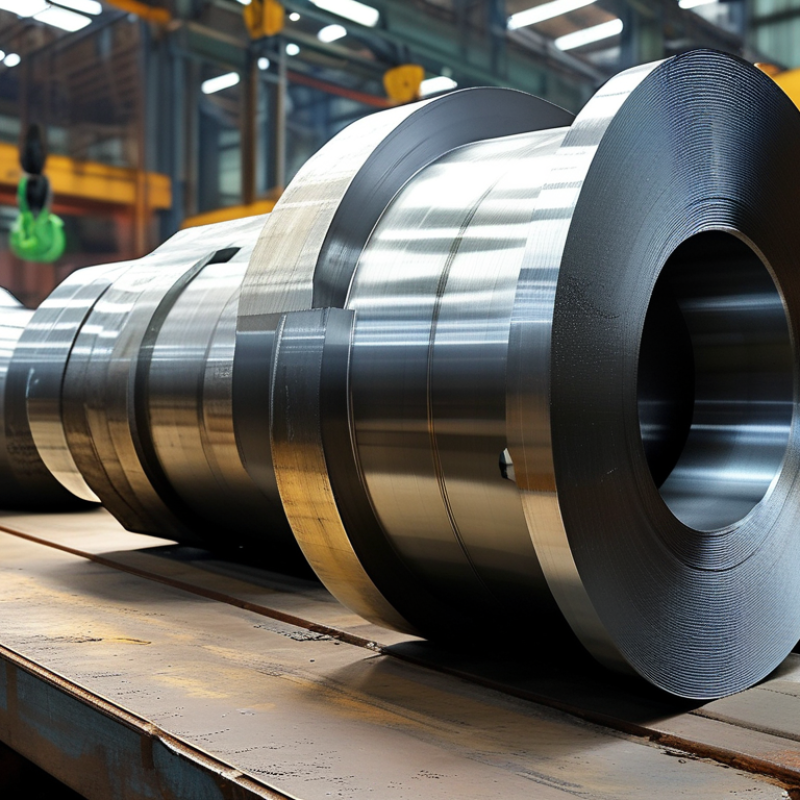
Alloy steel is a versatile material, highly regarded in various industries. Its composition typically includes iron alloyed with a small percentage of other elements like chromium, nickel, or molybdenum. This combination enhances its mechanical properties, making it stronger and more resilient than standard carbon steel. According to industry reports, alloy steel can withstand temperatures up to 600°F while maintaining its structural integrity.
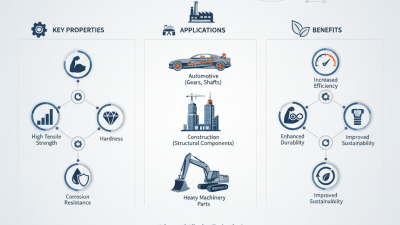
The key properties of alloy steel revolve around its hardness, toughness, and tensile strength. These traits help it perform well in demanding applications. For instance, in automotive manufacturing, alloy steels are commonly used for gears and shafts due to their durability. Reports indicate that the use of alloy steel can increase the life expectancy of critical components by nearly 30%.
However, not all alloy steels are created equal. Specific grades offer unique benefits depending on the alloying elements involved. It can be challenging to choose the right type for your application. Misunderstanding the grades may lead to inadequate performance or premature failure. Careful evaluation of your project needs is crucial. Consider consulting engineering resources or industry experts for better guidance.
Types of Alloy Steel: Low, Medium, and High Alloy Explained
Alloy steel comes in three main types: low, medium, and high alloy. Each type has unique characteristics suited for various applications. Low alloy steel typically contains less than 5% alloying elements. This makes it affordable and a good choice for general-purpose applications. According to a report by the American Iron and Steel Institute, low alloy steels offer enhanced toughness and strength over carbon steels.
Medium alloy steel contains between 5% and 10% alloying materials. This type often boasts a balance of strength and ductility. It is widely used in the automotive and construction industries. A study from ASTM International highlights that medium alloy steel provides better wear resistance compared to low alloy counterparts. However, the processing of medium alloy steel can be more complex and may require specialized techniques.
High alloy steel, with over 10% alloying elements, is specifically designed for severe environments. These steels are often utilized in aerospace and energy applications. For instance, high nickel alloys resist corrosion effectively. However, the cost and difficulties in fabrication can be considerations for potential users. Some users may mistakenly think all alloy steels perform equally. Understanding the nuances of each type is crucial for making informed decisions.
Factors to Consider When Choosing Alloy Steel for Your Project
Choosing the right alloy steel for your project is crucial. The decision hinges on various factors that can greatly influence the material's effectiveness.
Consider the mechanical properties you require. For example, tensile strength and hardness are essential for heavy-duty applications. If you need flexibility, look for a different grade with better ductility.
Another factor is the environmental conditions the steel will face. Corrosion resistance might be vital in marine or chemical settings. In such cases, stainless steel alloys could be a better choice. Pay attention to the heat treatment process as well. The right treatment can enhance properties, making the material more suitable for your needs.
Tip: Always consult with a metallurgist or a materials engineer. They can provide insights specific to your requirements. Another tip is to conduct small-scale tests before full-scale production. This step is often overlooked but can save time and resources later on. Ensure that the alloy you pick aligns with the intended application, as mismatches can lead to performance issues.
Applications of Alloy Steel in Various Industries
Alloy steel is widely used across various industries due to its strength, durability, and versatility. In construction, for example, alloy steels are often utilized in the production of structural beams and reinforcements. According to the American Institute of Steel Construction, alloy steel can enhance structure integrity by up to 30% compared to regular carbon steel. This makes it a preferred choice for projects demanding high strength.
In the automotive sector, alloy steel plays a critical role in manufacturing components like crankshafts and gears. A report from the International Journal of Automotive Engineering indicates that the use of alloy steel can improve wear resistance by 25%. This ensures reliability under extreme conditions, proving essential for safety and performance in vehicles.
Moreover, the oil and gas industry relies heavily on alloy steel for pipelines and drilling equipment. The American Society of Mechanical Engineers has reported that alloy steels can withstand high pressures and temperatures, making them suitable for harsh environments. However, it's important to consider factors like the specific alloy composition, as not all varieties suit every application. Misjudgments here can lead to failures, emphasizing the need for expert guidance in material selection.
Applications of Alloy Steel in Various Industries
Maintenance and Care for Alloy Steel Components
When it comes to alloy steel components, maintenance and care are crucial for longevity and performance. Regular inspections can detect early signs of wear and tear. A study by the Material Engineering Institute indicates that preventive maintenance can extend the lifespan of alloy steel parts by up to 40%.
Proper cleaning is essential for maintaining alloy steel. Using non-abrasive cleaners helps to avoid surface damage. Tips for care include avoiding saltwater exposure, as it can accelerate corrosion. Applying a protective coating can also improve durability. Regular lubrication is key for reducing friction and wear.
Pay attention to storage conditions as well. Humidity and temperature fluctuations can lead to rust and oxidation. Utilizing desiccants or climate-controlled environments can mitigate these risks. Remember, a small oversight today can lead to significant costs tomorrow.
Alloy Steel Tips for Choosing the Right Material for Your Needs - Maintenance and Care for Alloy Steel Components
| Property |
Description |
Recommended Applications |
Maintenance Tips |
| Tensile Strength |
Measures the force required to pull something to the point where it breaks. |
Construction, automotive, aerospace |
Regular inspections for cracks and stress points. |
| Corrosion Resistance |
Ability to withstand damage caused by oxidization or other chemical reactions. |
Pipelines, marine applications, outdoor structures |
Apply protective coatings and regular cleaning. |
| Hardness |
Resistance to deformation or scratching. |
Cutting tools, molds, wear-resistant applications |
Avoid impacts and store properly to prevent dents. |
| Weldability |
Ease with which a material can be welded. |
Construction, machinery manufacturing |
Use the appropriate filler material and preheat if needed. |
| Ductility |
Ability to be stretched without breaking. |
Manufacturing of wires, sheets |
Avoid sudden changes in temperature to maintain properties. |