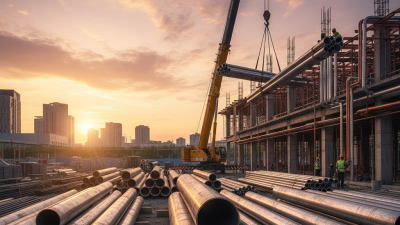
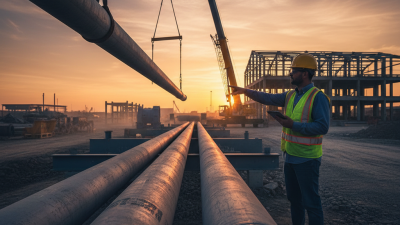
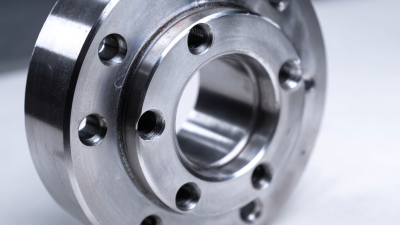
Seamless steel tube is gaining popularity in various industries. Its strength and durability make it ideal for construction and manufacturing. These tubes offer numerous advantages that can enhance project outcomes.
One major benefit is their resistance to high pressure and temperature. This feature is crucial for projects in demanding environments. Additionally, seamless steel tubes have a lower risk of defects. This leads to fewer failures during operation, which is critical for safety.
Moreover, the aesthetic appeal of seamless steel tubes can improve overall design. They can easily fit into modern architecture, adding value to structures. However, selecting the right type requires careful consideration and expert advice. Evaluating project needs is essential for maximizing potential benefits.
Seamless steel tubes are gaining popularity due to their high strength-to-weight ratio. This feature makes them ideal for various construction and engineering projects. A lighter material can be easier to handle and transport. Yet, using strong materials ensures the integrity of a structure. This balance is crucial in industries like automotive and aerospace.
When working with seamless steel tubes, attention to detail matters. Always consider the specific needs of your project. A small miscalculation can lead to serious structural issues. Understanding the weight requirements can save costs and improve efficiency.
Tips: Ensure you analyze load-bearing capacities. Proper calculations can prevent future problems. Additionally, check for quality certifications. This step is vital to ensure reliability. Remember, not all tubes are created equal; some may perform better under stress than others. Making informed choices will lead to successful outcomes.
| Benefit | Description | Application |
|---|---|---|
| High Strength-to-Weight Ratio | Provides excellent strength while minimizing weight, making it ideal for structural applications. | Construction, automotive, aerospace |
| Corrosion Resistance | Natural resistance to corrosion, especially when treated, ensuring longevity in harsh environments. | Pipelines, marine applications |
| Versatility | Can be tailored for various applications and industries, offering flexibility in design. | General manufacturing, custom projects |
| Reduced Fabrication Costs | Less time and material needed in fabrication compared to other materials, reducing costs. | Mass production, construction |
| High Pressure Tolerance | Can withstand high-pressure environments without failure, making them safe for various uses. | Hydraulic systems, oil and gas |
| Improved Flow Efficiency | Smooth internal surfaces enhance fluid flow, reducing energy consumption in systems. | Piping systems, HVAC |
| Consistent Quality | Manufactured to high quality standards, ensuring reliability across applications. | Precision engineering, aerospace |
| Easy Installation | Lightweight and easy to handle, facilitating quicker installation processes. | On-site assembly, modular construction |
| Sustainability | Recyclable and environmentally friendly materials help meet sustainability goals. | Green building projects, eco-friendly designs |

Seamless steel tubes are gaining traction in various industries because of their corrosion resistance and durability. A recent market study indicates that projects utilizing seamless steel tubes can expect a lifespan over 50 years in harsh environments. This is critical for long-term projects that require materials to withstand moisture and chemicals. The absence of welds means fewer weak points, reducing the likelihood of failure in demanding scenarios.
Corrosion resistance is vital in construction and manufacturing. Studies have shown that seamless steel tubes have a higher resistance to rust compared to welded alternatives. This can reduce maintenance costs by up to 30% over the life of a project. However, it is essential to consider the initial cost of seamless tubes. They can be more expensive upfront than other options. Still, their longevity often justifies the investment.
Design limitations exist as well. Seamless steel tubes can be challenging to find in customized sizes. Projects may need to adapt designs to fit available dimensions. Yet, the benefits they bring cannot be overlooked. Ultimately, investing in seamless steel tubes could save time and resources long-term, even if some compromises are necessary during the design phase.
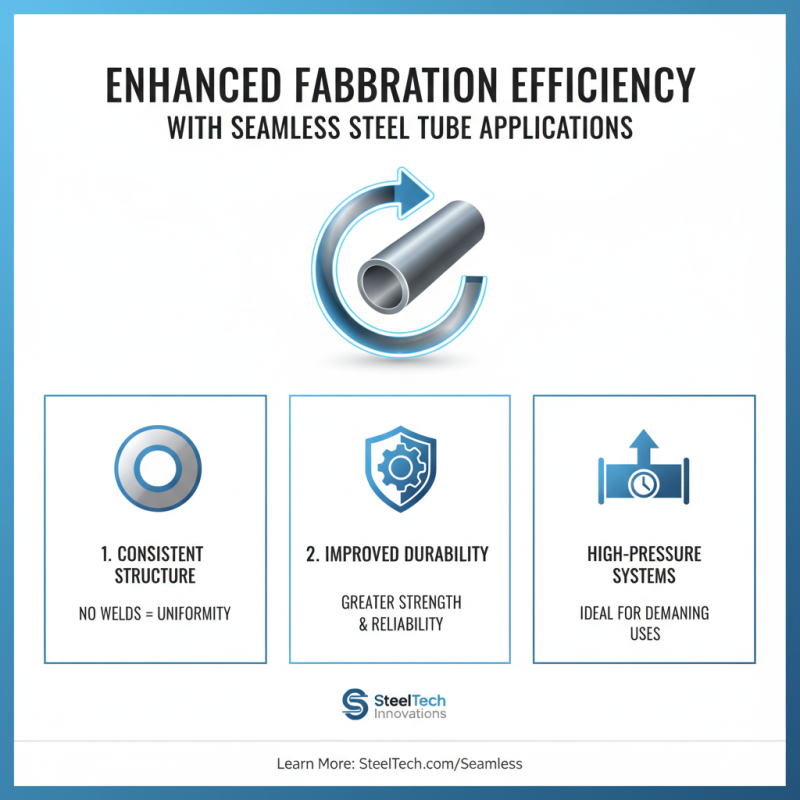
Seamless steel tubes are increasingly popular in construction and manufacturing. They offer notable benefits, particularly in fabrication efficiency. The absence of welds contributes to a consistent structure, allowing for improved durability and reliability. This can be advantageous in demanding applications, such as in high-pressure systems.
Using seamless steel tubes can also streamline the fabrication process. With fewer steps needed to prepare and join sections, labor time is reduced. Less material waste occurs, which is often a concern in projects. These tubes are easy to manipulate and can be tailored to specific project requirements. However, the initial costs can be higher, prompting some to lean toward alternatives.
Another noteworthy aspect is their strength-to-weight ratio. Seamless tubes provide the needed support without being overly heavy, enabling easier handling. This characteristic is essential in large-scale projects. Yet, the selection of seamless steel tubes should consider project specifics and costs. It’s important to reflect on whether the benefits outweigh potential drawbacks for your specific application context.
Seamless steel tubes are emerging as a game-changer in many industries. Their cost-effectiveness often becomes apparent when analyzing life cycle metrics. A study by the International Steel Association indicates that seamless steel tubes can last up to 50% longer than their welded counterparts. This longevity means fewer replacements and lower maintenance costs, creating savings over time.
The manufacturing process of seamless steel tubes also contributes to their efficiency. With lower energy requirements in production, industries can see a reduction in initial costs. According to a recent report by the Steel Construction Institute, seamless tubes can reduce energy consumption by 30%. Such efficiency adds to the financial benefits during their life span, justifying the initial investment.
However, challenges remain. The high upfront costs can deter some projects. Additionally, sourcing seamless tubes may lead to supply chain issues. It's crucial to assess these factors carefully. Organizations must weigh short-term expenses against long-term gains to make informed decisions. Balancing these aspects requires strategic planning and consideration of project timelines.
Seamless steel tubes offer remarkable versatility in design, making them ideal for various industries. Their smooth finish and uniform strength make them suitable for architectural projects, automotive manufacturing, and oil drilling. Many engineers choose these tubes because they can withstand high pressures. This quality reduces the risk of failure in critical systems.
Different sectors benefit from seamless steel tubes in unique ways. For example, in construction, they provide structural integrity without welding seams, which can be weak points. In automotive applications, the lightweight nature helps improve fuel efficiency. Yet, challenges remain. Designing with seamless tubes can be complex. Each project requires careful consideration of material properties.
Furthermore, seamless steel tubes can face issues like corrosion over time. Proper treatment and maintenance are crucial for longevity. Engineers must often reevaluate their designs to enhance performance while mitigating risks. Balancing aesthetics and functionality is vital. Using seamless steel tubes might not always be the most straightforward solution, but their adaptability often makes it worthwhile.