Top 5 Benefits of Using Copper Pipes for Your Plumbing Needs
In the world of plumbing, the materials chosen can significantly influence both the performance and longevity of the systems in place. Among these materials, copper pipes stand out as a favorite among professionals and homeowners alike. Renowned plumbing expert, John Smith, asserts, “Copper pipes not only offer exceptional durability but also provide an unparalleled level of versatility for modern plumbing applications.” This statement encapsulates the myriad advantages that copper pipes bring to plumbing projects, from residential installations to commercial ventures.
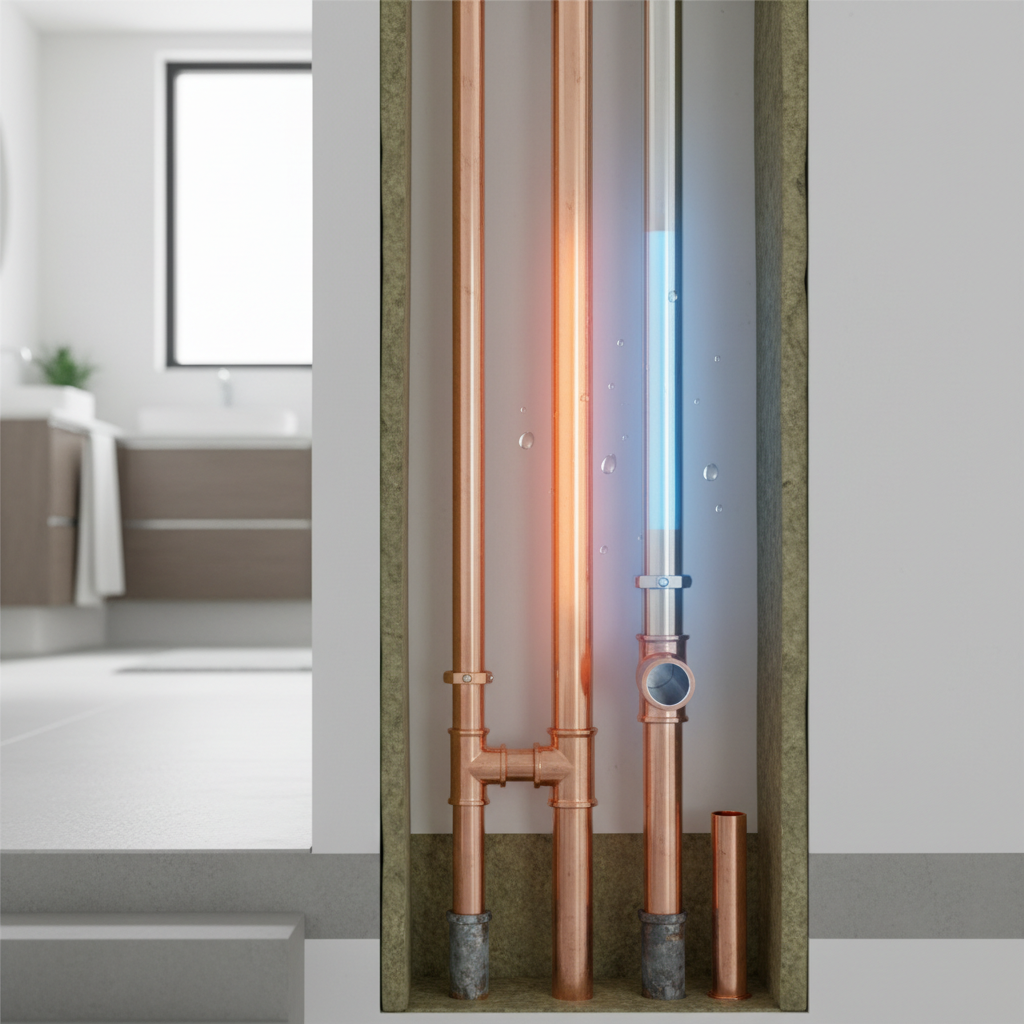
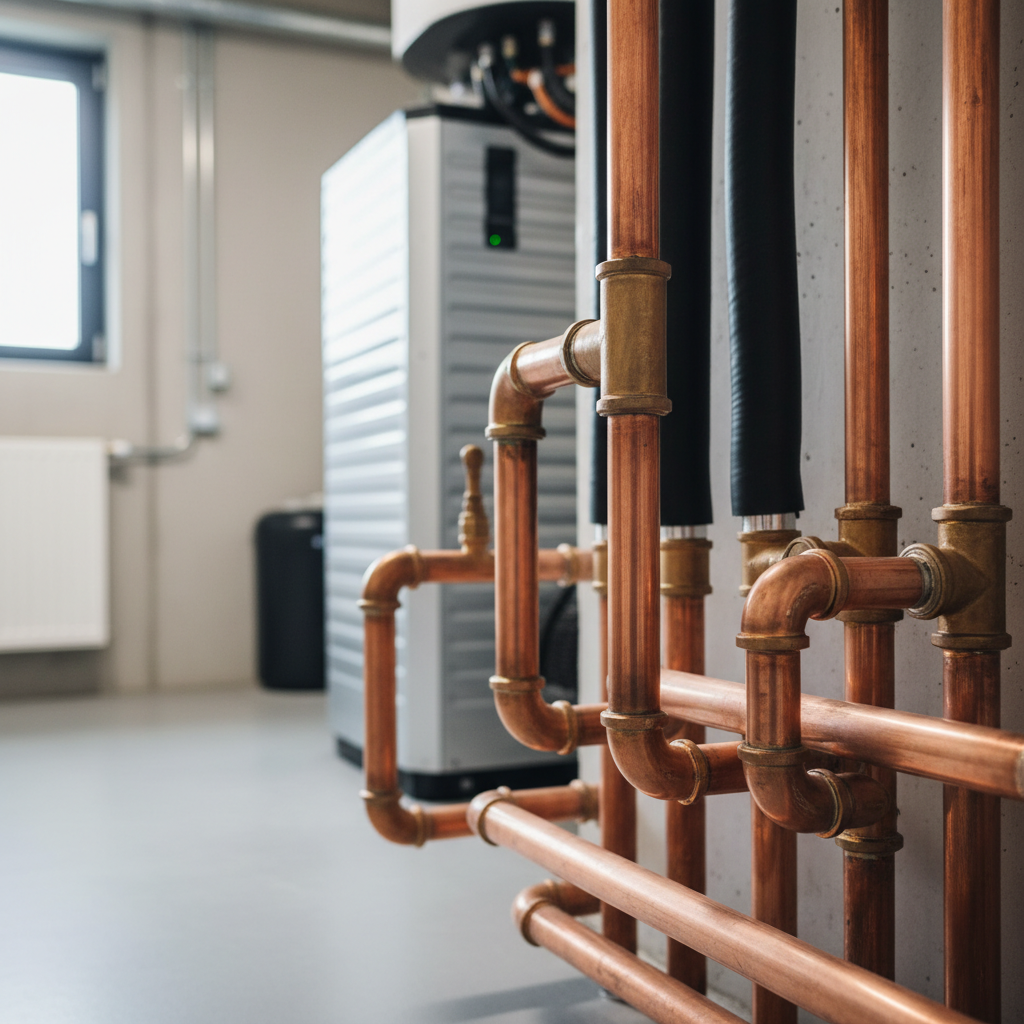
As we delve into the top five benefits of using copper pipes for your plumbing needs, it's essential to understand why this material has remained a trusted choice for decades. Copper pipes are known for their remarkable resistance to corrosion and high temperatures, making them ideal for both hot and cold water delivery. Furthermore, their natural antimicrobial properties contribute to improved water quality, a critical concern for many homeowners. Whether you are considering a new plumbing system or upgrading an existing one, copper pipes offer an effective solution that combines strength, longevity, and health benefits for your water supply.
Benefits of Copper Pipes: A Sustainable Choice for Plumbing in 2025
As we move toward a more sustainable future in 2025, the selection of materials in plumbing systems becomes increasingly significant. Copper pipes stand out as an environmentally friendly choice, with their recyclability contributing to reduced ecological impact. According to the Copper Development Association, around 80% of copper piping can be recycled, promoting a circular economy in construction and renovation projects. This not only helps in conserving resources but also reduces the demand for new copper mining, leading to less environmental degradation.
Moreover, copper is known for its longevity and durability, boasting a lifespan of over 50 years when properly maintained. This longevity minimizes the need for frequent replacements, which not only reduces waste but also saves consumers money in the long run. A study by the International Copper Association highlights that using copper pipes can lower energy costs related to water heating by up to 15%, further emphasizing the economic benefits alongside the environmental impact.
Tips: When selecting plumbing materials for your home, consider the long-term benefits of using copper pipes. Ensure that you hire professionals experienced in installing copper systems to maximize their efficiency and lifespan. Additionally, regular checks for corrosion can prolong the integrity of your pipes and maintain water quality.
Examining Copper's Superior Durability and Longevity Compared to Other Materials
When it comes to plumbing materials, copper pipes stand out for their exceptional durability and longevity. Unlike PVC or PEX, which can degrade over time due to environmental factors, copper is resistant to rust and corrosion, ensuring a reliable solution for both hot and cold water supply. This resistance not only preserves the integrity of the piping but also contributes to improved water quality, as there are fewer concerns about leaching harmful substances.
Furthermore, the lifespan of copper plumbing systems often surpasses that of alternative materials, with a typical lifespan of 50 years or more when properly installed. This durability makes copper an economical choice in the long run, reducing the need for frequent replacements and repairs. Its ability to withstand extreme temperatures and pressures without compromising structural integrity further solidifies its position as a superior option for homeowners looking to invest in lasting plumbing solutions.
Top 5 Benefits of Using Copper Pipes for Your Plumbing Needs
| Benefits |
Description |
Comparison with Other Materials |
| Durability |
Resistant to corrosion and can last over 50 years. |
PVC and PEX may degrade over time, especially in high temperatures. |
| Health Benefits |
Copper has natural antibacterial properties. |
Plastic pipes can leach chemicals and harbor bacteria. |
| Heat Resistance |
Can withstand high temperatures without damage. |
PVC cannot handle high heat and may warp. |
| Recyclability |
100% recyclable without loss in quality. |
Plastic materials have a limited recycling process. |
| Fire Resistance |
Does not burn or release harmful gases. |
PVC can melt and produce toxic fumes when exposed to fire. |
Corrosion Resistance of Copper Pipes: Ensuring Clean and Safe Water Supply
When it comes to plumbing, the corrosion resistance of copper pipes stands out as one of their most significant benefits. Unlike many other materials, copper exhibits remarkable resilience against corrosion, which is crucial for maintaining a clean and safe water supply. According to a report by the American Society of Plumbing Engineers (ASPE), copper pipes can last over 50 years without significant degradation, thanks to the formation of a protective oxide layer that prevents further corrosion. This longevity not only underscores the reliability of copper but also ensures that the water remains free from contaminants that can leach from corroded pipes.
In comparison to plastic and galvanized steel, copper pipes demonstrate superior resistance to a variety of corrosion-inducing agents found in domestic water supplies. A study from the National Copper Development Association (NACDA) indicates that copper's natural antimicrobial properties also contribute to healthier water, reducing the risk of bacterial growth within the plumbing system. This factor is particularly important in areas where water quality is a growing concern, as copper has been shown to effectively reduce levels of harmful microorganisms, ensuring that what flows through the pipes is safe for consumption.
Top 5 Benefits of Using Copper Pipes for Your Plumbing Needs
This chart illustrates the top benefits of using copper pipes for plumbing, showcasing their effectiveness in various aspects.
Energy Efficiency: How Copper Pipes Reduce Heating Costs in Plumbing Systems
Copper pipes are increasingly recognized for their energy efficiency, particularly in plumbing systems. Utilizing copper for plumbing not only enhances durability but also plays a critical role in reducing heating costs. According to the North America Copper Tubes Market report, the application of copper in heating systems, such as heat pumps, contributes to energy optimization in residential buildings. This aligns with findings that advocate for integrating copper pipes into modern plumbing systems, ensuring a reliable and efficient transfer of heated water.
Moreover, the global market analysis report indicates that the copper pipes and tubes sector is expected to witness significant growth, with a projected market value of USD 50.8 billion by 2035. This impressive growth is fueled by the increasing demand for energy-efficient solutions in HVAC and residential plumbing. As homeowners seek ways to lower utility bills and enhance their energy consumption profiles, the transition to copper plumbing represents a practical solution, helping to maintain lower heating costs while promoting a sustainable environment.
Health Benefits of Using Copper Pipes: Preventing Contaminants and Supporting Hygiene
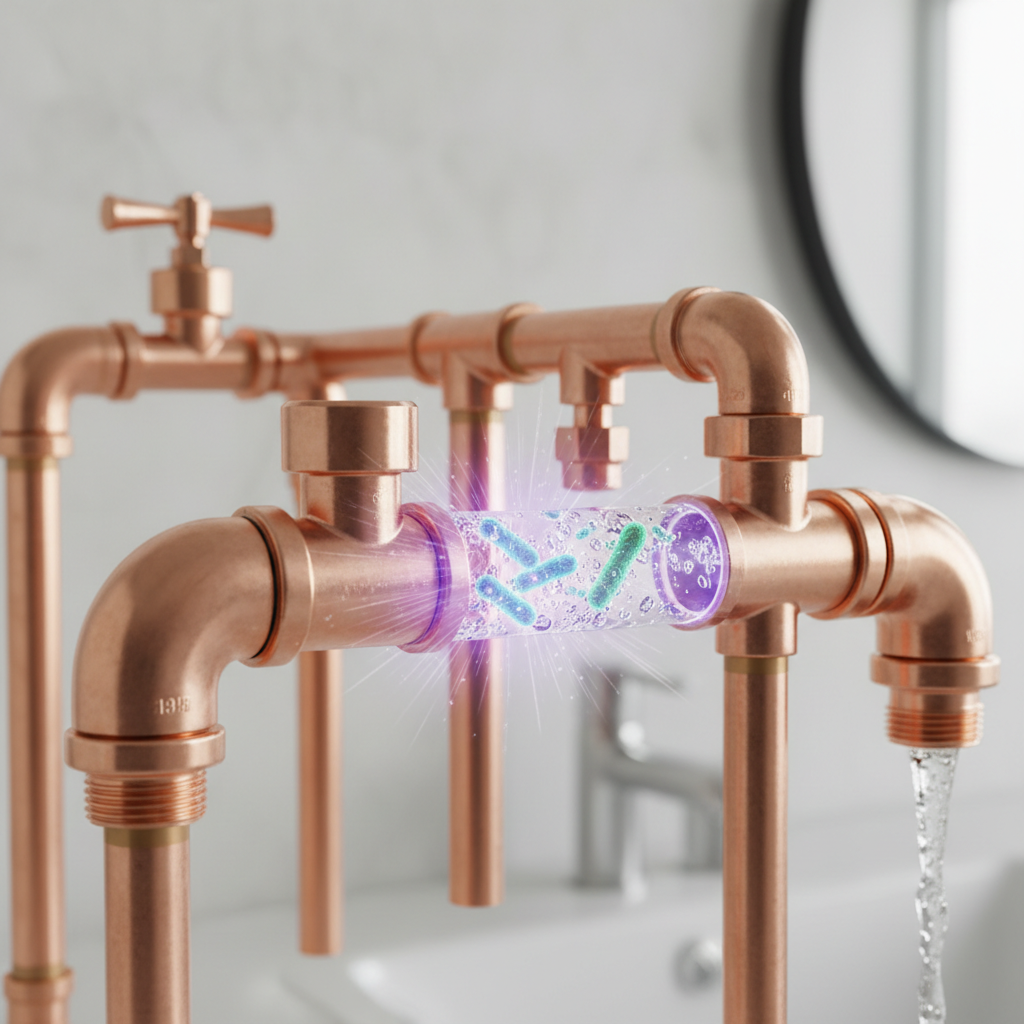
Copper pipes have long been recognized for their durability and efficiency, but one of their most significant advantages lies in their health benefits. The antimicrobial properties of copper are particularly noteworthy; studies from the Copper Development Association reveal that copper can eliminate up to 99.9% of bacteria within two hours, making it a vital choice for plumbing systems. This natural ability reduces the risk of microbial contamination in drinking water, significantly enhancing hygiene standards in homes and businesses alike.
Moreover, copper does not leach harmful chemicals into water, unlike some plastic pipes, which can introduce contaminants over time. Research published in the Journal of Environmental Quality indicates that plumbing systems using copper pipes show lower levels of harmful substances, ensuring cleaner, safer drinking water. The use of copper pipes thus not only complies with stringent health regulations but also actively supports the overall well-being of its users by offering a reliable barrier against pollutants and promoting better water quality.