2026 Best Carbon Steel Flange Types and Their Applications?
In the world of manufacturing, the importance of the Carbon Steel Flange cannot be overstated. James H. Wright, a renowned expert in the field, emphasizes, "Quality flanges are essential for reliable connections." This insight underscores the significance of understanding different carbon steel flange types and their applications.
Carbon Steel Flanges are versatile components used widely across various industries. They are crucial in ensuring the integrity of piping systems and machinery. With different types available, selecting the appropriate flange type can be challenging. Some options may offer strength while others may excel in corrosion resistance. These factors can significantly affect performance and safety. The variety leads to confusion for some engineers.
However, understanding these flanges' nuances is vital. Engineers must carefully consider the specific requirements of their projects. While Carbon Steel Flanges are durable, they face limitations under certain conditions. This reflection encourages a deeper analysis of how these components can best serve their intended purposes. Ultimately, being informed about types and applications leads to better choices in the field.
2026 Overview of Carbon Steel Flange Types and Their Properties
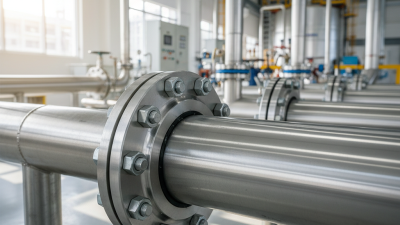
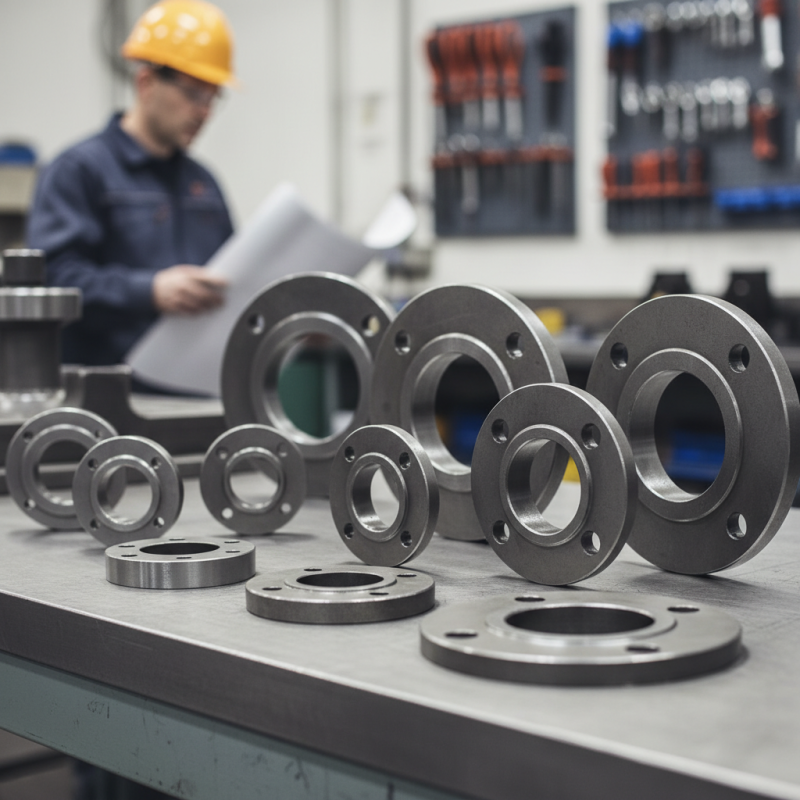
Carbon steel flanges come in various types, each with unique properties and applications. A common type is the weld neck flange, known for its strength. It features a long neck that provides a gradual transition. This design helps reduce stress concentrations. They are often used in high-pressure systems.
Slip-on flanges are popular for their ease of installation. They simply slide over the pipe. This makes them useful in low-pressure applications. However, they may not be as strong as other types. This can lead to concerns during heavy-duty use.
Blind flanges serve as a closure for pipe ends. They prevent leakage and maintain pressure in the system. However, improper installation can lead to failure. In some cases, the material's properties may not suit particular environments. Hence, careful selection based on operating conditions is crucial. Each type offers specific advantages, but they also have limitations that need addressing.
2026 Best Carbon Steel Flange Types and Their Applications
| Flange Type |
Description |
Applications |
Key Properties |
| Weld Neck Flange |
Designed for high-pressure applications, this flange type has a long tapered neck. |
Oil & Gas, Chemical Processing |
High strength, good fatigue resistance |
| Slip-On Flange |
Easily fits over the pipe, this type is ideal for low-pressure applications. |
Water Treatment, HVAC |
Ease of installation, cost-effective |
| Blind Flange |
Used to seal the end of a piping system, this flange does not have a bore. |
End-of-line closure, Testing purposes |
High pressure handling, reliable sealing |
| Socket Weld Flange |
Allows for a pipe to be inserted into the flange, useful for small diameters. |
Power Generation, Shipbuilding |
Compact design, strength in small spaces |
| Threaded Flange |
Contains internal threads for easy installation without welding. |
Low-pressure systems, Temporary installations |
Quick installation, good for frequent disassembly |
Common Applications of Carbon Steel Flanges in Industrial Sectors
Carbon steel flanges play a crucial role in various industrial sectors. Their strength and durability make them ideal for heavy-duty applications. You can find these flanges in pipelines, pressure vessels, and equipment connections. They resist high pressure and temperature, ensuring safety and reliability in operations.
In the oil and gas industry, carbon steel flanges are widely used. They connect pipes that carry crude oil or natural gas. These flanges withstand the harsh environments typical of this sector. Similarly, in water treatment facilities, carbon steel flanges are essential. They manage the flow of water and prevent leaks, which is critical for operational efficiency.
Despite their robust nature, carbon steel flanges may corrode over time. Regular maintenance is important to ensure longevity. Operators must be vigilant about identifying any signs of wear. In some cases, the initial cost can be a concern for budget-conscious projects. As industries grow, the demand for reliable and economical solutions becomes more pressing. Balancing performance and cost is a constant challenge in choosing the right materials.
Comparison of Carbon Steel Flanges: Sizes, Grades, and Standards
When comparing carbon steel flange types, several factors come into play. Sizes are a vital criterion. The most common sizes range from ½ inch to 48 inches, depending on the application. A study by the American Society of Mechanical Engineers (ASME) shows that larger diameters are crucial in high-pressure systems such as oil and gas pipelines.
Grades and standards are equally important. Carbon steel flanges are categorized into various grades, including ASTM A105 for standard carbon steel and ASTM A350 for low-temperature applications. The differences in composition affect their durability. According to the American Iron and Steel Institute, mismatched grades can lead to premature failure under stress, compromising safety.
Standards vary across regions. For example, the ASME and the American National Standards Institute (ANSI) have developed specific guidelines that define flange construction. However, not every manufacturer meets these standards consistently. This inconsistency can pose risks for end users. Selecting a flange requires careful evaluation of specifications and intended use. Overlooked details may lead to unexpected failures, impacting system integrity. Proper research is essential for successful outcomes in projects that rely on these critical components.
Impact of Carbon Steel Flanges on Process Efficiency and Reliability
Carbon steel flanges play a critical role in various industrial applications. They provide essential sealing and joining solutions for piping systems. According to a report from the American Society of Mechanical Engineers (ASME), over 30% of pipeline failures can be traced back to flange issues. This statistic underlines the necessity for reliable flanges in maintaining operational efficiency. The choice of flange type significantly affects the overall durability and performance of a system.
Studies have shown that carbon steel flanges can enhance process efficiency by reducing the risk of leaks and failures. A well-made flange improves flow rates, minimizing pressure drops. For instance, a survey conducted by the National Association of Manufacturers revealed that implementing reliable flanges can lead to a 15-20% increase in process reliability. However, not all industries fully recognize this impact. Some still overlook proper installation and maintenance, leading to potential failures.
Furthermore, the environmental considerations of using carbon steel flanges cannot be ignored. While they are durable, their life cycle and the impact on sustainability require attention. In many cases, the need for regular inspections and replacements can lead to increased costs and waste. Balancing efficiency and sustainability remains a challenge, prompting a need for ongoing evaluation and adaptation in flange design and use.