Copper Nickel has become increasingly popular in various modern applications. This unique alloy combines copper and nickel to create a material with remarkable properties. Its resistance to corrosion and wear makes it ideal for numerous industries.
In marine environments, Copper Nickel is widely used in shipbuilding and piping systems. These applications demand durability in harsh conditions. The metal’s antibacterial properties also make it suitable for medical devices and equipment. Such versatility has embraced various sectors beyond traditional uses.
However, the widespread adoption of Copper Nickel comes with challenges. Recycling and sustainable sourcing are vital concerns in its production. Reflecting on these issues can guide future applications and innovations. Balancing practicality with responsibility remains essential in the ongoing exploration of Copper Nickel’s potential.
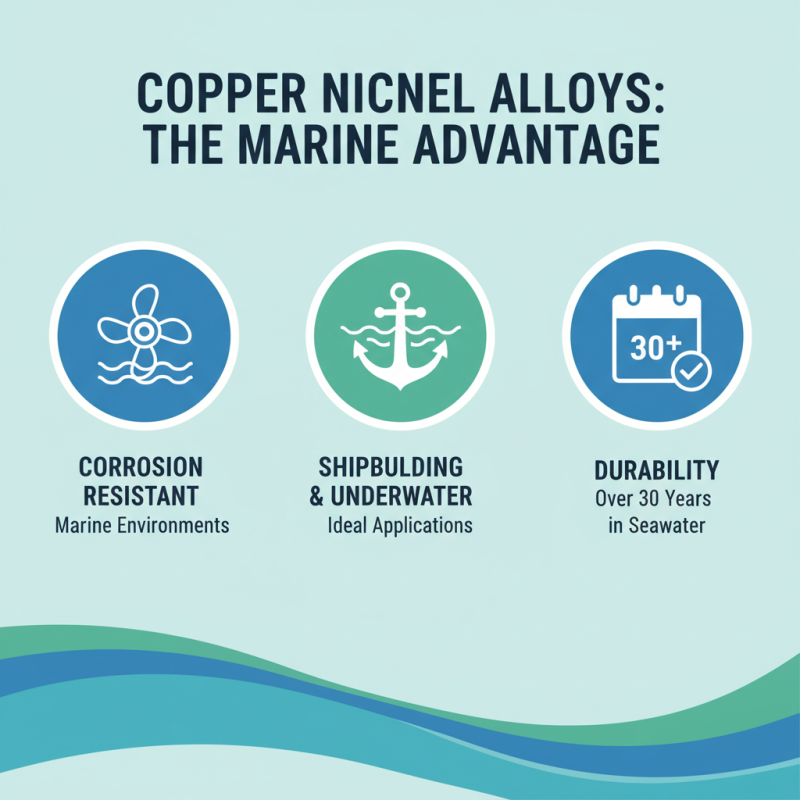
Copper nickel alloys are widely recognized for their exceptional properties. They exhibit excellent resistance to corrosion, particularly in marine environments. This quality makes them ideal for shipbuilding and underwater applications. Research indicates that copper nickel alloys can withstand harsh conditions, lasting over 30 years in seawater environments.
The mechanical strength of these alloys is another significant advantage. They have enhanced durability, making them suitable for various industrial uses. According to recent industry reports, components made from copper nickel can reduce maintenance costs by nearly 20%. This reflects their reliability and efficiency in long-term applications.
Tips: When considering copper nickel for your project, evaluate the specific environmental conditions it will face. This allows for optimal performance. Always consult material experts who understand these alloys. Use precise specifications to ensure your components meet required standards. Choosing the right alloy can make a substantial difference in performance and lifespan.
Copper nickel alloys are gaining traction in marine applications, particularly in shipbuilding and offshore structures. These materials exhibit excellent resistance to seawater corrosion. For instance, copper nickel’s corrosion resistance can be up to ten times greater than that of ordinary steel. This makes it an ideal choice for ships and submarines operating in harsh marine environments.
The use of copper nickel in piping systems is noteworthy. These alloys inhibit biofouling, which can reduce maintenance costs significantly. A study indicated that ships equipped with copper nickel components decreased maintenance efforts by up to 30%. This reduction translates to lower operational downtime and cost savings. However, not all operators are aware of the long-term benefits.
Additionally, copper nickel is recyclable, which aligns with sustainable practices in modern shipbuilding. Many marine engineers are advocating for its wider use due to these environmental benefits. Yet, the initial investment in copper nickel materials can be high. Budget restrictions sometimes hinder projects from utilizing these advanced materials. This presents a dilemma, as the long-term benefits may outweigh upfront costs. More education on the advantages of copper nickel is essential for industry stakeholders.
The chart below illustrates the top ten uses of copper nickel in marine applications, particularly in shipbuilding and offshore structures. The data highlights the percentage distribution of different applications based on their importance and usage frequency.
Copper nickel alloys play a significant role in electrical applications. Their excellent conductivity makes them ideal for wiring and connectors. These materials resist corrosion and withstand harsh environments, increasing their longevity. Wire insulation is often enhanced by these alloys, ensuring efficient energy transfer. The resistance to oxidation helps maintain stable connections over time.
In addition to their durability, copper nickel alloys provide excellent thermal performance. They can manage heat effectively, which is crucial in electrical applications. This property is particularly beneficial in high-temperature environments. However, the cost of copper nickel can be higher than traditional materials. Some industries may hesitate due to budget constraints.
Implementing copper nickel in wiring needs careful consideration. While they offer many advantages, the initial investment can be daunting. Weighing the long-term benefits against upfront costs is essential. Each application may have unique requirements that must be addressed. Balancing performance, longevity, and cost is a thought-provoking challenge for many engineers today.
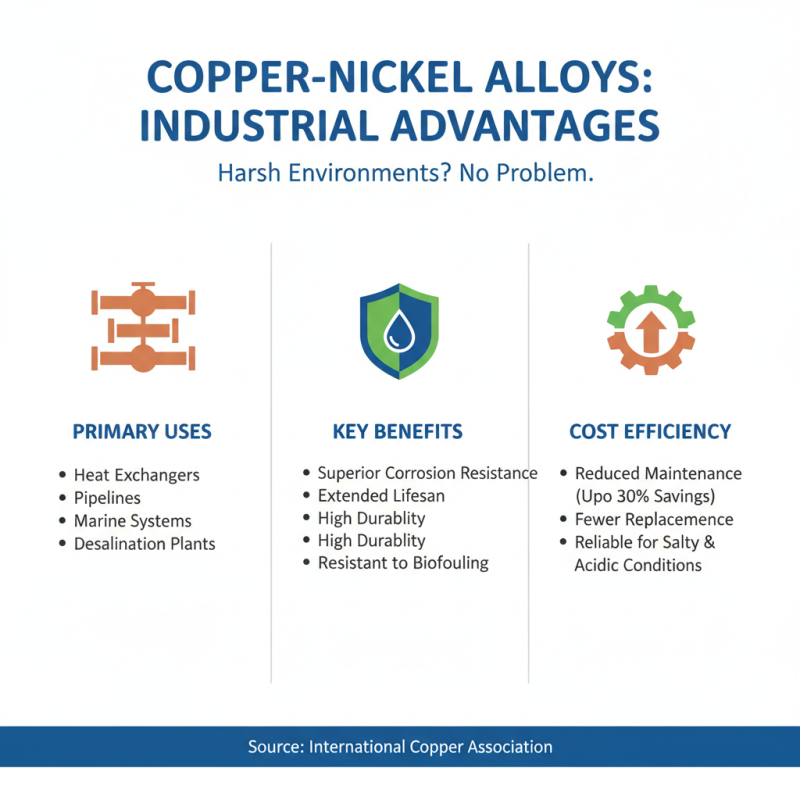
Copper nickel alloys are gaining traction in industrial applications, especially in heat exchangers and pipelines. These alloys offer excellent corrosion resistance. Their durability ensures longer lifespan in harsh marine environments. According to the International Copper Association, copper nickel reduces maintenance costs by up to 30%. This is vital for industries operating in salty or acidic conditions.
The heat exchange efficiency of copper nickel is impressive. When compared to other metals, it transfers heat effectively while resisting fouling. This makes it an ideal choice for power plants and desalination facilities. A report from the American Society of Mechanical Engineers suggests that switching to copper nickel can improve heat exchanger performance by 15%.
However, some challenges persist. The alloy's higher initial cost can deter some industries. There are instances of improper welding techniques leading to failures. These issues warrant careful consideration. Many companies must evaluate their long-term benefits realistically. It's clear that copper nickel's unique properties bring significant advantages, but there remains room for improvement in application processes.
Copper nickel alloys are increasingly preferred for their corrosion resistance and sustainability. With an impressive resistance to seawater corrosion, they are ideal for marine applications. Studies show that copper nickel can withstand corrosive conditions for over 30 years. This longevity reduces the need for frequent replacements, minimizing waste generation.
The environmental impact of materials is a growing concern. The life cycle analysis of copper nickel indicates significant sustainability benefits. It requires less energy to manufacture compared to other metals. Additionally, recycling rates for copper and nickel are high, often exceeding 90%. This means that using these alloys contributes to a circular economy.
However, challenges remain. The availability of raw materials can be affected by geopolitical factors. There’s also a need for better eco-design in various applications. Engineers must address these issues while leveraging the benefits. Balancing performance and sustainability is crucial as industries move forward.
| Application | Corrosion Resistance | Sustainability | Key Benefits |
|---|---|---|---|
| Marine Applications | Excellent resistance to seawater corrosion | Recyclable and durable | Long lifespan reduces waste |
| Heat Exchangers | High thermal conductivity and corrosion resistance | Energy-efficient materials | Improved energy transfer |
| Piping Systems | Resistant to pitting and stress corrosion | Long service life reduces replacement | Reduced maintenance costs |
| Shipbuilding | Resistant to fouling in marine environments | Sustainable choice for lengthy vessels | Enhances vessel performance |
| Electric Wiring | Good oxidation resistance | Minimizes the need for replacements | Safe and efficient electrical conductors |
| Marine Fasteners | Superior corrosion resistance | Durability extends lifecycle | Reliable fastenings in harsh conditions |
| Coinage | Resistant to tarnishing | Recyclable materials used | Cents that hold value over time |
| Architecture | Long-term weather resistance | Sustainable materials enhance design | Aesthetic appeal with longevity |
| Medical Equipment | Antimicrobial properties | Durable and reliable over time | Improved hygiene standards |
| Automotive Components | Corrosion-resistant for long-term performance | Recyclable metal usage | Enhanced vehicle safety and reliability |