Why Choose Alloy Steel for Your Next Project?
In the world of engineering, choosing the right material is crucial. Alloy steel stands out for its versatility and durability. Renowned expert, Dr. Emily Carter, states, "Alloy steel offers unmatched strength and adaptability for varied applications." This makes it an ideal choice for many projects.
Projects often face challenges that require robust materials. Alloy steel’s resistance to wear and corrosion enables long-lasting solutions. Imagine industries such as automotive and construction relying on this extraordinary material to create reliable, high-performance components.
Yet, it’s important to acknowledge that not every project needs alloy steel. Cost and suitability must be carefully considered. Not all designs may benefit from its unique properties. Reflecting on these aspects can lead to better decision-making. Choosing alloy steel requires thoughtful analysis to align with project goals. Embracing this approach opens doors to innovative solutions in the competitive market.

Key Properties of Alloy Steel That Enhance Performance
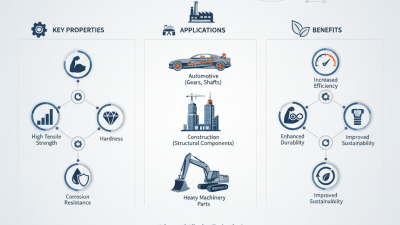
Alloy steel is often chosen for projects due to its enhanced properties. This steel type contains various elements, improving its strength and durability. For instance, the presence of chromium can increase resistance to corrosion, making it suitable for harsh environments. Manganese boosts hardness and tensile strength. These properties make alloy steel ideal for construction and automotive applications.
When selecting alloy steel, consider your specific requirements. Not all alloy steels are created equal. Some are more suited for high-temperature applications, while others excel in impact resistance. Always check the specifications before purchasing. Understanding your project's demands can save you time and resources.
Tip: Use a simple checklist. Assess the environment, load requirements, and potential wear. This clarity helps in making informed decisions. Sometimes, alternative materials may surprise you, so keep an open mind. Reflect on previous projects that may guide your choices. All these factors can lead to better outcomes in your current project.
Applications of Alloy Steel in Various Industries
Alloy steel is celebrated for its versatility and strength. In the automotive industry, alloy steel is used to manufacture components like gears and crankshafts. These parts require durability and are exposed to high stress. With alloy steel, manufacturers achieve both resilience and performance.
In construction, alloy steel plays a vital role. It is used in beams, reinforcing bars, and frames. These applications demand materials that can withstand heavy loads and environmental conditions. Rust resistance is another appealing characteristic, extending the lifespan of structures.
Tips: When selecting alloy steel, consider the specific requirements of your project. Are you prioritizing strength or weight? Evaluate the environmental factors the material will face. Also, always consult with a specialist to prevent potential misapplications. Using the wrong alloy could lead to failures or increased costs.
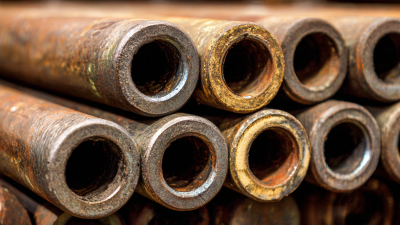
In the energy sector, alloy steel is crucial for pipelines and pressure vessels. These applications must handle extreme conditions and pressure. The wrong choice could mean disaster. However, not every type of alloy steel is suitable for every application. Research is essential, and discussing options with engineers can illuminate the best path forward.
Comparing Alloy Steel with Other Materials
Alloy steel stands out in various applications due to its unique properties. When comparing it to carbon steel, alloy steel often offers enhanced strength and durability. This versatility allows manufacturers to use it in demanding environments like construction and automotive industries. The addition of elements like chromium improves resistance to corrosion, making it a wise choice for projects exposed to harsh conditions.
However, alloy steel can be more challenging to work with. Fabrication processes may require specialized techniques, which can increase project timelines. Additionally, the cost of alloy steel is generally higher than that of standard materials. Yet, its longevity can offset initial expenses, reducing the frequency of replacements. This trade-off can prove invaluable in long-term projects where maintenance is a concern.
Considering other materials like stainless steel or aluminum reveals different strengths. Stainless steel is highly resistant to rust but may lack the tensile strength of alloy steel. Aluminum is lightweight, perfect for specific applications, yet it doesn't always provide the same strength-to-weight ratio. Each option has its merits, and sometimes it takes trial and error to find the ideal solution for your project.
Why Choose Alloy Steel for Your Next Project? - Comparing Alloy Steel with Other Materials
| Material |
Tensile Strength (MPa) |
Corrosion Resistance |
Cost per kg ($) |
Weight (kg/m3) |
| Alloy Steel |
600 |
Moderate |
2.5 |
7850 |
| Mild Steel |
370 |
Low |
1.2 |
7850 |
| Stainless Steel |
510 |
High |
3.5 |
8000 |
| Aluminum |
310 |
Moderate |
2.8 |
2700 |
| Titanium |
900 |
Very High |
6.0 |
4500 |
Cost-Benefit Analysis of Using Alloy Steel
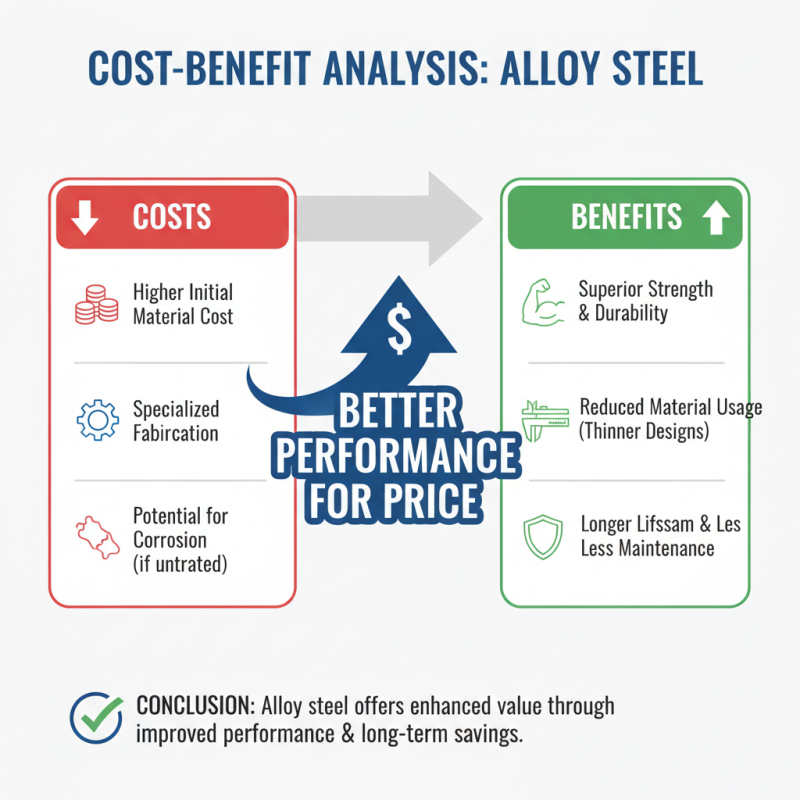
When considering materials for your next project, alloy steel stands out. Its unique combination of iron and other elements makes it versatile. The cost-benefit analysis shows that alloy steel often provides better performance for the price. It is stronger than standard steel, which can lead to reduced material usage and lower costs over time.
Choosing alloy steel can result in savings in several areas. For instance, its durability means fewer repairs and replacements. This longevity can offset higher initial costs. However, one should also account for potential issues, such as difficulty in welding. It's important to understand the specific requirements of your project before making a final decision.
**Tip:** Always conduct a thorough materials assessment. Look at your project's demands and see if alloy steel truly fits. Consider collaborating with industry experts for insights. This can prevent oversights that might lead to increased expenses later. Make your choice wisely to ensure durability and cost-effectiveness in your project.
Future Trends in Alloy Steel Development and Usage
The alloy steel industry is on the brink of exciting developments. Innovations are reshaping how we understand its applications. New manufacturing techniques are enhancing strength and durability. These improvements may lead to broader use across various sectors, from automotive to construction. However, challenges remain as environmental concerns emerge. The production process can be energy-intensive.
Next-generation alloy steels may utilize eco-friendly materials. Companies are exploring green alternatives to conventional methods. The goal is to reduce carbon footprints without sacrificing quality. Adapting to these changes requires effort and investment. Some projects may struggle to meet both environmental and performance standards. This presents a dilemma for manufacturers.
Future trends will likely focus on customization and adaptability. Emerging technologies allow for tailored alloy compositions. This could lead to specific applications meeting unique demands. However, there is uncertainty surrounding material sourcing and supply chain stability. These factors could hinder progress in the alloy steel sector. As the landscape evolves, stakeholders must remain vigilant and ready to adapt.