How to Choose the Best Alloy Steel Pipe for Your Project?
Choosing the right Alloy Steel Pipe is crucial for any engineering project. The performance and longevity of your structure depend on this decision. According to a recent report by the American Society of Mechanical Engineers (ASME), the demand for alloy steel pipes is expected to grow by 5.2% per year until 2025.
Expert in the field, Dr. James Helms, states, "Selecting the correct alloy steel pipe is vital for ensuring system integrity and durability." His insights underline the importance of understanding the application and material properties of alloy steel in construction.
Several factors influence the choice of alloy steel pipe. These include pressure rating, corrosion resistance, and temperature tolerance. Each application may require a different alloy composition to meet specific performance standards. Thus, being informed is essential for making the right selection. Choosing the wrong type can lead to project delays and increased costs. Consulting with industry experts and referencing reliable sources can ensure a more thoughtful choice.
Understanding Alloy Steel Pipes: Composition and Properties
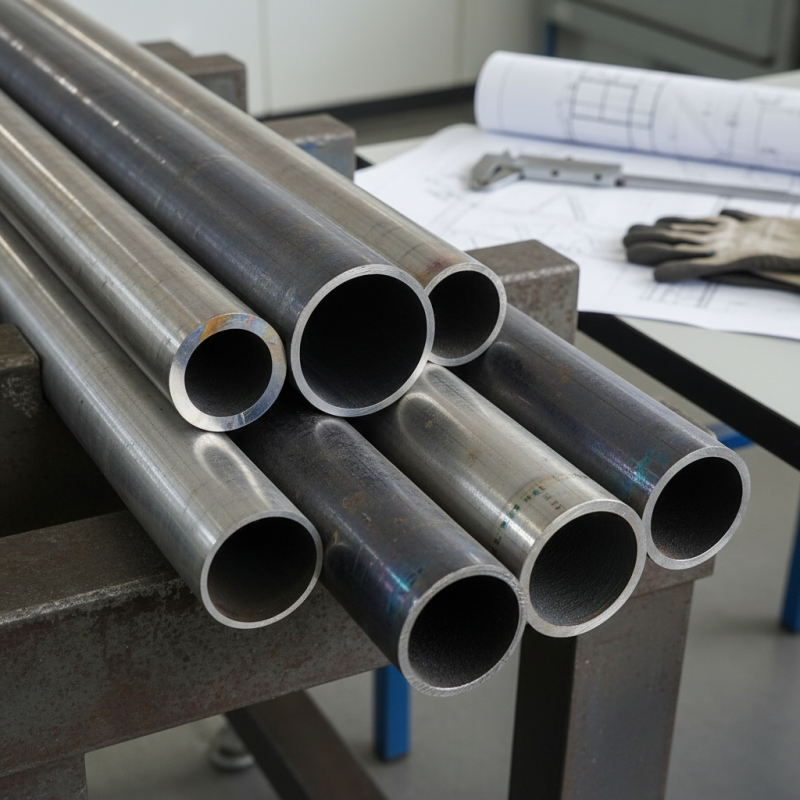
Alloy steel pipes are crucial in various industries due to their unique composition and properties. These pipes typically contain alloying elements like chromium, nickel, and manganese, which enhance their strength and corrosion resistance. According to the American Society for Testing and Materials (ASTM), these elements can significantly increase the tensile strength of steel, often surpassing that of standard carbon steel by around 20-30%.
The performance of alloy steel pipes is heavily influenced by their specific compositions. For instance, pipes with higher chromium content offer superior hardness and better resistance to oxidation. A recent study by the Steel Construction Institute highlighted that alloy steel pipes could withstand higher temperatures, making them ideal for demanding applications in power generation and oil & gas sectors. However, these advantages sometimes come at a cost, as the manufacturing process can be more complex and expensive.
While alloy steel pipes display remarkable properties, selecting the right type requires careful consideration. Not all compositions suit every project. For instance, additional alloying elements may improve certain characteristics while negatively impacting others. Misjudging the composition could lead to significant issues during implementation. Industries must weigh these factors to ensure long-term performance without excessive costs or performance failures.
Key Factors to Consider When Selecting Alloy Steel Pipes
When selecting alloy steel pipes for a project, it is essential to consider several key factors. Firstly, the chemical composition plays a vital role. Alloy steel pipes typically contain elements like chromium, molybdenum, and nickel, which enhance strength and resistance to corrosion. According to a report by the American Institute of Steel Construction, specific compositions can offer up to 20% greater strength compared to standard carbon steel.
Another critical factor is the pipe's application. Different environments demand different properties. For instance, pipes used in high-temperature applications require a careful selection of alloy to prevent failure. A recent study showed that over 30% of material failures in industrial settings were due to improper alloy selection, highlighting the importance of testing for factors like tensile strength and hardness.
Quality assurance also cannot be overlooked. The certification of manufacturers ensures adherence to industry standards such as ASTM and ASME. Inconsistencies in pipe quality can lead to significant financial losses and safety hazards. Industry statistics reveal that 25% of pipeline incidents are attributed to material defects. Regular audits and third-party inspections are recommended to maintain reliability in sourcing.
Types of Alloy Steel Pipes and Their Applications
Alloy steel pipes are vital in various industries, from construction to manufacturing. These pipes offer strength, durability, and resistance to high temperatures and corrosion. According to the World Steel Association, the global alloy steel pipe market size was valued at approximately $83 billion in 2022. This number reflects the growing demand for high-performance materials.
There are several types of alloy steel pipes. For instance, low-alloy pipes contain chromium, molybdenum, and nickel, which enhance corrosion resistance. These are often used in chemical processing. Medium-alloy pipes, on the other hand, are ideal for high-temperature applications, such as power plants. Specialty applications may require high-alloy steels, noted for their exceptional mechanical properties.
Choosing the right alloy depends on specific project requirements. For example, a construction project in a coastal area may need pipes with high corrosion resistance. Review and understand the mechanical properties of each type. Some pipes may not perform well under certain stress conditions. Make sure to consider the environmental impact and lifecycle costs. Data from industry reports suggest that making informed decisions can optimize project performance.
How to Choose the Best Alloy Steel Pipe for Your Project?
| Pipe Type |
Material Composition |
Common Applications |
Temperature Range (°C) |
Pressure Rating (PSI) |
| Alloy Steel A335 P1 |
Chrome-molybdenum |
High temperature applications, petrochemical plants |
-30 to 400 |
1500 |
| Alloy Steel A335 P5 |
Chrome-molybdenum |
Power generation, high pressure and temperature service |
-29 to 500 |
1800 |
| Alloy Steel A213 T5 |
Chrome-molybdenum |
Heat exchangers, steam piping |
-29 to 450 |
1500 |
| Alloy Steel A182 F22 |
Chrome-molybdenum |
Valves, flanges in high temperature service |
-29 to 540 |
1500 |
| Alloy Steel AISI 4130 |
Chromium-molybdenum |
Oil and gas, aerospace, automotive |
-45 to 350 |
2000 |
Evaluating Quality Standards and Certifications for Alloy Steel Pipes
When selecting alloy steel pipes, quality standards and certifications are crucial. They ensure the pipes will perform as expected under various conditions. Look for certifications from recognized organizations. These bodies assess the manufacturing processes and material integrity. Compliance with standards like ASTM or ASME is often essential. However, not all manufacturers adhere to these guidelines. This inconsistency can lead to unreliable products.
Inspecting documentation is vital. Even certified products may have flaws. Pay attention to the manufacturing date and batch numbers. Transparency from the supplier speaks volumes about their credibility. Ask for third-party inspections. These reviews provide an unbiased assessment of quality. Sometimes, suppliers may overlook minor defects. These details can lead to larger issues later.
Consider the environmental factors of your project. The pipes may face corrosion or extreme temperatures. Make sure the materials chosen have certifications for these conditions. Understanding the specific certifications relevant to your project helps mitigate risks. Allocating time for thorough evaluation can save resources in the long run. Always remember, your project's success hinges on the quality of materials used.
Alloy Steel Pipes Quality Standards and Certifications
Cost Considerations and Sourcing Options for Alloy Steel Pipes
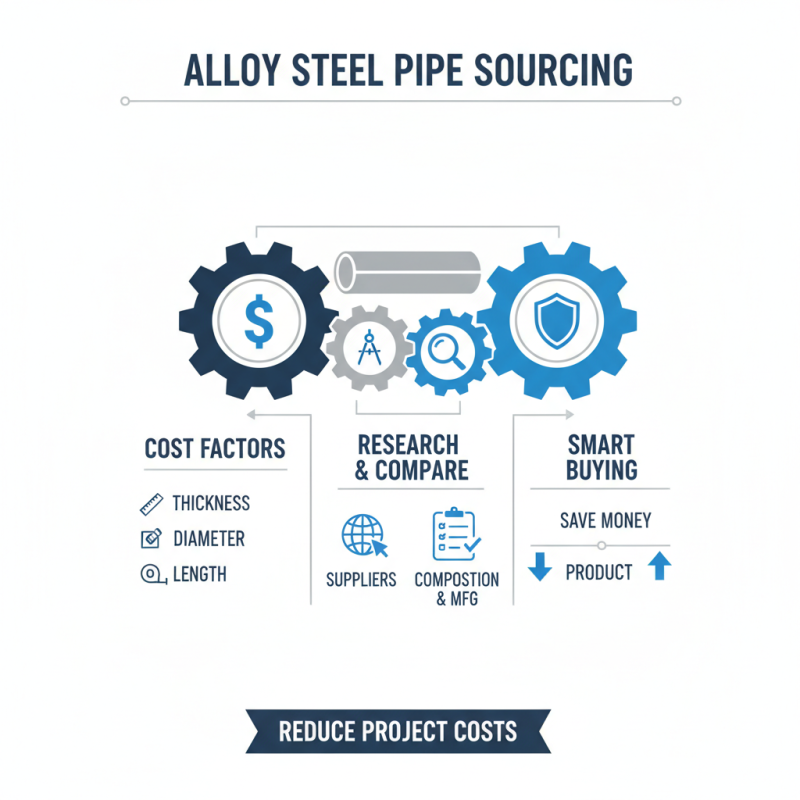
When considering alloy steel pipes for a project, cost is a significant factor. The price of these pipes can vary due to their composition and manufacturing processes. You may find price discrepancies among suppliers. Therefore, it's wise to conduct thorough research. Understand the factors that impact cost, like thickness, diameter, and length.
Sourcing options play a crucial role too. Local suppliers often provide quicker access and lower shipping costs. However, international suppliers might offer lower prices for bulk orders. Be mindful of potential tariffs and long lead times.
Tips: Assess your project's inherent requirements. For short-term needs, local sourcing could be ideal. For large projects, bulk purchasing from international suppliers may save money. Don't overlook the importance of quality. A lower price tag doesn’t always guarantee durability. Choose suppliers known for reliability and expertise in alloy steel pipes. Always read reviews and check their credentials.