How to Choose the Best Seamless Steel Tube for Your Needs?
Choosing the right Seamless Steel Tube is crucial for various applications. The quality of the tube affects performance, safety, and durability. Many industries rely on seamless steel tubes for their structural needs, including automotive, construction, and machinery.
There are several factors to consider when selecting the best seamless steel tube. First, think about the specific requirements of your project. Factors like diameter, wall thickness, and material grade play a significant role. Understanding these details can make a noticeable difference in the outcome of your project.
It’s also important to evaluate suppliers. Their reputation and quality standards matter. Quality seamless steel tubes require precise manufacturing and trustworthy materials. Not all suppliers meet these criteria, so doing thorough research is essential. Your choice today influences the longevity of your project tomorrow.
Understanding the Basics of Seamless Steel Tubes
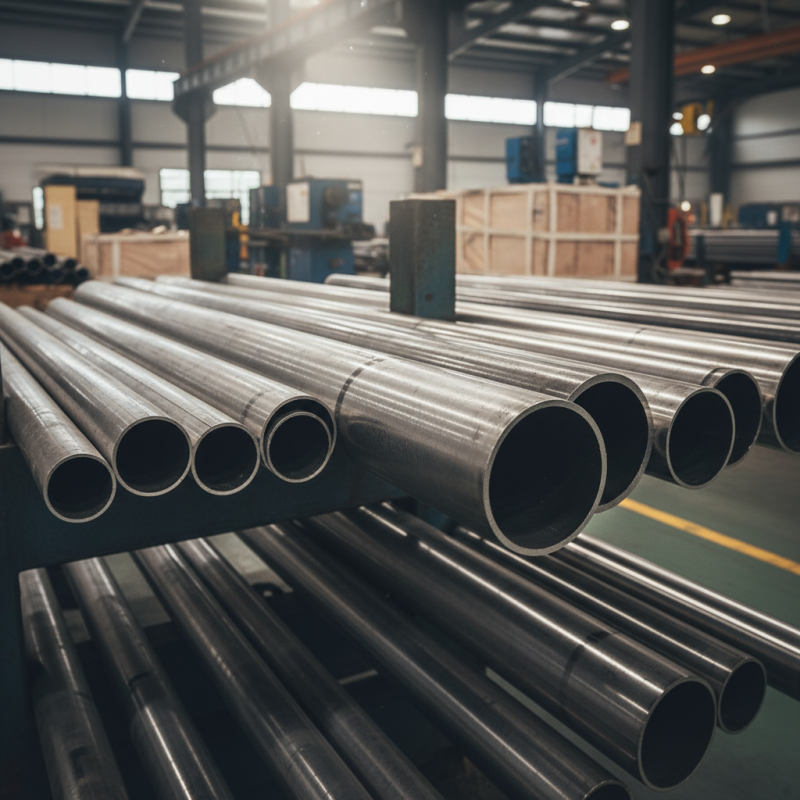
Seamless steel tubes are integral in various industrial applications. Understanding their basic properties can help in making informed decisions. These tubes are manufactured without seams, providing uniform strength and higher resistance to pressure. In high-stress environments, seamless tubes can handle loads better than welded ones.
According to a recent market analysis report, the demand for seamless steel tubes is projected to grow by 4% between 2021 and 2026. This growth is driven by sectors like construction and automotive. For these industries, the choice of material affects safety and performance. Seamless tubes are often preferred due to their enhanced performance features.
When selecting a seamless steel tube, factors such as material grade and wall thickness matter. Different applications require different specifications. For example, structural applications demand high yield strength, while hydraulic applications require precise dimensions. Though seamless tubes offer many benefits, they may not always be the most cost-effective solution. The initial investment might be higher, which warrants a thorough analysis of your specific needs before making a choice.
How to Choose the Best Seamless Steel Tube for Your Needs? - Understanding the Basics of Seamless Steel Tubes
| Dimension (mm) |
Wall Thickness (mm) |
Weight (kg/m) |
Material Grade |
Application |
| 20 x 3 |
3 |
2.89 |
S235 |
Hydraulics |
| 25 x 5 |
5 |
4.48 |
S355 |
Construction |
| 32 x 6 |
6 |
6.71 |
ST52-3 |
Automotive |
| 40 x 8 |
8 |
8.48 |
P355NL1 |
Oil & Gas |
| 50 x 10 |
10 |
11.76 |
A106 Gr B |
Pressure Vessels |
Key Factors to Consider When Selecting Seamless Steel Tubes
When selecting seamless steel tubes, several key factors must be evaluated. The primary consideration is the material's grade. Different grades offer variations in strength and corrosion resistance. Understanding your project requirements helps in choosing the right grade. Testing the steel's mechanical properties ensures it meets industry standards.
Another crucial factor is the size and dimensions of the tube. Precision in measurements affects the overall performance. Oversized or undersized tubes can lead to inefficiencies or failures. Manufacturers often provide detailed specifications; it’s essential to verify these details.
Tips: Always consult with industry experts. They can provide insights based on experience and use cases. Consider conducting thorough research on suppliers. Their credibility can reflect the quality of materials. Pay attention to the manufacturing processes; this can significantly influence tube durability.
Comparison of Seamless Steel Tube Specifications
Different Applications of Seamless Steel Tubes in Various Industries
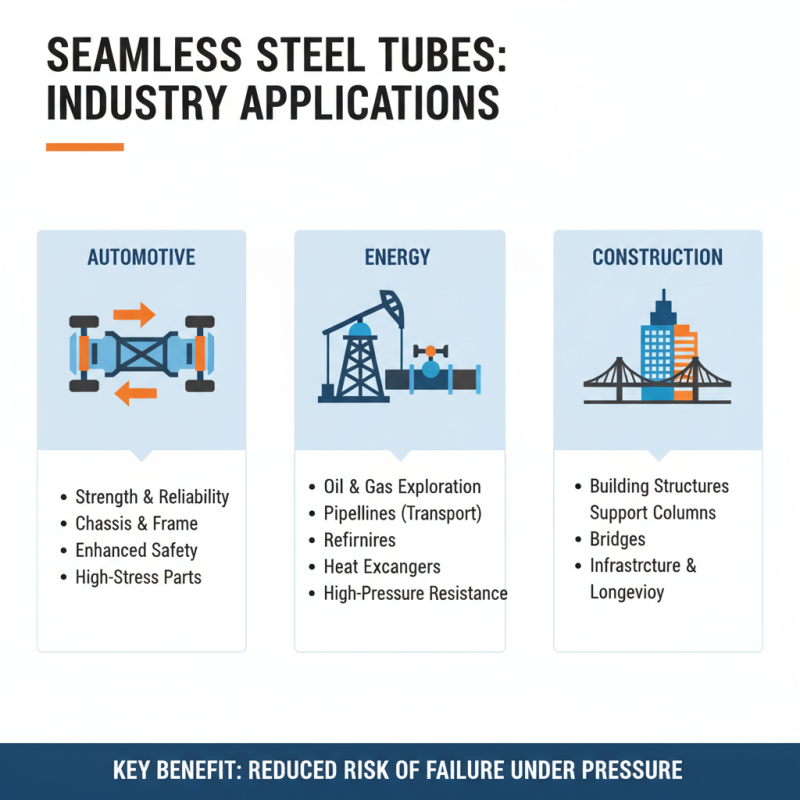
Seamless steel tubes play a crucial role in various industries. Their applications span from construction to energy. In the automotive sector, these tubes provide strength and reliability. They are used in structural components, ensuring safety and performance. A seamless design reduces the risk of failure under pressure. This feature is essential for high-stress environments.
In the energy industry, seamless steel tubes are vital for oil and gas transportation. They resist high temperatures and pressures, providing durability. Additionally, seamless tubes are used in power generation. They help transfer steam and fluids efficiently. This efficiency is key to maintaining productivity in energy production.
However, choosing the right seamless tube is not straightforward. Factors such as material type, thickness, and diameter must be considered. Industry standards are crucial in guiding these choices. Without careful selection, performance may suffer. Furthermore, potential failures can lead to costly downtime and safety issues. Understanding your specific needs is essential for making the best choice.
Comparing Seamless Steel Tubes with Other Types of Steel Tubing
When comparing seamless steel tubes with other types of steel tubing, it’s clear that each has its advantages. Seamless tubes are created without any welding seams. This construction makes them stronger and more durable. They can withstand high pressure and harsh environments better than welded tubes. In industries that require reliability, such as oil and gas, this is crucial.
On the other hand, welded tubes are often cheaper and easier to produce. They can be manufactured in larger diameters and lengths. However, they may not perform as well under extreme conditions. Welded tubes can suffer from weaknesses along the seam. This could lead to failures in demanding applications. It’s important to assess your specific needs before making a choice.
Sometimes, seamless tubes can be overkill for less critical applications. Evaluating the environment where the tubes will be used is vital. If you don’t need the extra strength, welded tubes could suffice. A cost-benefit analysis might reveal surprising insights. Always consider factors like budget, application, and desired lifespan when choosing.
Quality Standards and Certifications for Seamless Steel Tubes
When selecting a seamless steel tube, understanding quality standards and certifications is crucial. The American Society for Testing and Materials (ASTM) and the International Organization for Standardization (ISO) provide fundamental guidelines. ASTM A106 and ASTM A53 are two vital standards for seamless carbon steel pipes used in high-temperature and pressure applications. These standards ensure the tubes meet specific mechanical and chemical properties, essential for safety and durability.
Moreover, certification compliance, such as API 5L, indicates a product's reliability in oil and gas industries. According to a report from the World Steel Association, seamless tubes exhibit an average tensile strength of up to 520 MPa, enhancing their usability in demanding environments. However, not all manufacturers adhere to these standards, which can lead to inferior products in the market.
Still, the complexity of standards can be overwhelming. Some manufacturers may misrepresent their compliance. Hence, it's wise to request documentation for the required certifications. This ensures your chosen product aligns with industry expectations. Without proper verification, you risk choosing subpar materials that fail under stress. In summary, navigating these complexities demands diligence and awareness in the seamless steel tube selection process.