How to Choose the Right Pipe Flange for Your Project?
When selecting a pipe flange for your project, expertise is crucial. Dr. Emily Carter, a leading expert in piping systems, emphasizes, “Choosing the right pipe flange can mean the difference between a successful installation and a costly failure.” Each type of pipe flange serves specific functions and applications, making your choice significant.
Material, pressure rating, and compatibility are key factors. A wrong decision can lead to leaks or joint failures. For instance, using a carbon steel flange in a corrosive environment may lead to premature degradation. This not only affects the system's effectiveness but also poses safety risks.
Reflecting on the right choices is vital. Take the time to assess your project requirements. Consult with professionals when in doubt. Remember, every detail in selecting a pipe flange counts, as these elements form the backbone of your piping system.
Understanding Pipe Flanges and Their Applications
Pipe flanges play a crucial role in various applications, serving as connectors in piping systems. They ensure secure joints that can withstand pressure and temperature fluctuations. According to a report by Grand View Research, the global flange market is projected to reach USD 20 billion by 2026. This growth reflects the increasing demand in industries like oil and gas, water treatment, and chemical processing.
Selecting the right pipe flange is vital. Factors such as pressure rating, material, and size matter. For example, carbon steel flanges are preferred in high-pressure environments due to their strength. However, they may corrode in aggressive settings. Stainless steel flanges offer better corrosion resistance but can be more expensive. It’s essential to evaluate the specific requirements of your project thoroughly.
Mischoices can lead to several problems. A mismatched flange type can result in leaks or even catastrophic failures. Many industries report incidents related to improper flange selection each year. Prioritizing compatibility and performance is indispensable when deciding on the right flange for your piping system. This ensures reliability and longevity in operations.
Identifying Different Types of Pipe Flanges
When selecting pipe flanges, understanding the diverse types available is crucial. Flanges serve as the connections in piping systems, playing a vital role in ensuring safety and efficiency. The most common flange types include weld neck, slip-on, and blind flanges. According to the American Society of Mechanical Engineers (ASME), nearly 60% of flanged joints in industrial settings utilize these three types.
Weld neck flanges are ideal for high-pressure applications. Their tapered design ensures a gradual transition of stresses.
Slip-on flanges, while easier to install, may not offer the same structural integrity under extreme conditions. Reports show that 40% of failures in flanged connections could be linked to improper flange selection or installation. Blind flanges, meanwhile, are used for sealing off ends of pipes. They provide robust isolation but require careful assessment of pressure ratings.
Selecting the right flange involves more than just choosing a type. Factors such as material, pressure class, and application environment greatly influence performance. It’s essential to consider the fluid type and temperature. An improperly chosen flange can lead to costly leaks or system failures. Despite available standards, reported misapplications remain a pressing issue in the industry. Engaging with engineering experts is advised for project-specific guidance.
Assessing Material Compatibility for Pipe Flanges
When selecting pipe flanges, material compatibility is crucial. The wrong choice can lead to leaks or failures. Consider the fluid handled in your system. For instance, corrosive materials require flanges made of resistant alloys. Stainless steel and carbon steel have differing resistance levels.
Temperature and pressure also influence material choice. High temperatures may weaken some materials, while others can handle intense conditions. Sometimes, polymers are suitable for specific applications, providing excellent chemical resistance. However, they may not be ideal at high pressures. Assess the function of your project carefully.
Flange surfaces should match the connecting pipes to ensure a good seal. The type of gasket you select also depends on material compatibility. Many options exist, but not all work well with every flange material. Additionally, consider the environment's temperature variations. Flanges may expand or contract, affecting their integrity.
Evaluating Pressure Ratings and Standards for Pipe Flanges
When selecting the right pipe flange for your project, understanding pressure ratings is crucial. Every flange has a specific pressure rating that determines its maximum operating pressure. This rating is commonly expressed in pounds per square inch (psi) and varies based on the flange material and temperature. For example, a carbon steel flange might have different ratings compared to a stainless steel one. Familiarize yourself with industry standards, such as ASME and ANSI, as these provide valuable guidelines to ensure safety and compatibility.
Evaluating the pressure rating involves considering the operating conditions of your system. Take into account the temperature of the fluid, as well as potential fluctuations in pressure. Some flanges may fail unexpectedly if these factors are not carefully assessed. Moreover, not all projects require the highest possible rating. Sometimes, over-specifying can lead to unnecessary costs and complications. Always balance your project needs with the pressure capabilities of the flange you choose. Understanding these aspects builds reliability in your piping system.
How to Choose the Right Pipe Flange for Your Project? - Evaluating Pressure Ratings and Standards for Pipe Flanges
| Flange Type |
Pressure Rating (ANSI) |
Material |
Applicable Standards |
Common Applications |
| Slip-On Flange |
150, 300, 600 |
Carbon Steel |
ASME B16.5 |
Piping systems in low-pressure applications |
| Weld Neck Flange |
150, 300, 600, 900, 1500 |
Stainless Steel |
ASME B16.5 |
High pressure and temperature applications |
| Blind Flange |
150, 300, 600 |
Carbon Steel |
ASME B16.5 |
Sealing the ends of piping systems |
| Socket Weld Flange |
150, 300, 600 |
Stainless Steel |
ASME B16.5 |
Used in high pressure, small diameter pipes |
| Lap Joint Flange |
150, 300 |
Carbon Steel |
ASME B16.5 |
Temporary piping connections |
Choosing the Right Size and Configuration for Your Project
Choosing the right size and configuration for pipe flanges is crucial for any project. Flanges come in various sizes, each suited for specific applications. Understanding the dimensions of your pipes is vital to ensure a proper fit. Measure the outside diameter and the pipe's thickness. This helps in selecting the right flange that provides a tight seal. A mismatch can lead to leaks and project delays.
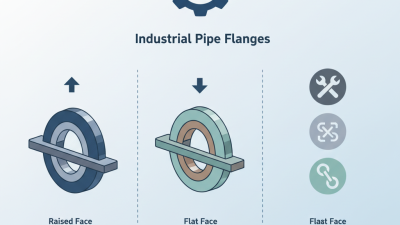
Configuration also plays a significant role. Flanges can be flat, raised, or ring-type. Each design serves different purposes. A raised face flange is ideal for high-pressure systems, while a flat face is suitable for lower pressure. Consider the environmental factors too. Corrosive substances may require specialized materials.
Some projects might need custom solutions. That can be challenging and could impact timelines. Always evaluate your needs and resources. Seek expert advice if needed, to avoid costly mistakes. The right choices ensure durability and efficiency in your project. Remember, finding the ideal flange is not just a technical task; it’s an essential step toward your goals.
Pipe Flange Selection: Size and Configuration Analysis
This chart illustrates the distribution of different flange sizes and configurations used in typical projects. The data reflects common selections based on project requirements.