Why Are Steel Pipe Fittings Essential for Plumbing Systems?
In modern plumbing systems, the role of steel pipe fittings is often overlooked. These components are crucial for ensuring reliable water flow and proper drainage. Their durability and resistance to corrosion make them ideal for various plumbing applications.
Steel pipe fittings provide the essential connections between pipes. They help form a tight seal, preventing leaks and wasting water. Without quality fittings, even the best piping systems can fail.
Many homeowners may not realize the importance of selecting the right steel pipe fittings. A wrong choice can lead to serious plumbing issues. It's vital to invest time in understanding these components to avoid future problems. Ultimately, steel pipe fittings are more than mere connectors—they are essential for a functional plumbing system.
Types of Steel Pipe Fittings Used in Plumbing Systems
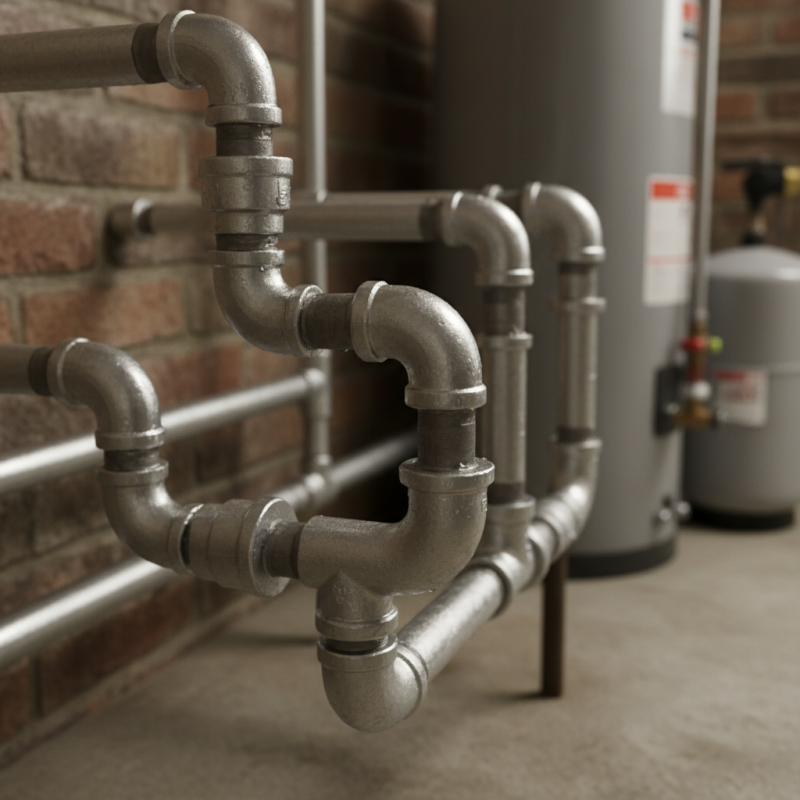
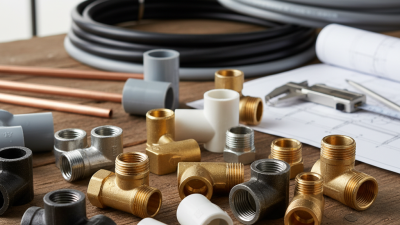
Steel pipe fittings play a crucial role in plumbing systems. They connect various pipe segments, ensuring a reliable flow. Common types include elbows, tees, and couplings. Each fitting serves a unique purpose. Elbows help navigate corners, while tees split the flow into two directions. Couplings join two pipes together, making it easier to extend lengths.
Choosing the right fittings is vital. A wrong choice can lead to leaks or flow issues. For instance, a poorly fitted elbow may create stress. Over time, this stress can cause failures. Unfortunately, many overlook the importance of quality and compatibility. Some may settle for lower grades due to cost. This can lead to long-term expenses down the line.
Installation requires care and knowledge. Misalignments during installation can cause serious problems. It’s essential to measure properly before cutting any pipe. Even minor errors can cause headaches later on. In plumbing, precision is key. Every detail counts, from the fitting type to the installation technique. Choosing wisely can prolong the life of the plumbing system.
Why Are Steel Pipe Fittings Essential for Plumbing Systems? - Types of Steel Pipe Fittings Used in Plumbing Systems
| Type of Steel Pipe Fitting |
Description |
Common Applications |
| Elbow |
Used to change the direction of the pipe. |
Drainage systems, HVAC systems |
| Coupling |
Joins two pieces of pipe together. |
Water supply, gas lines |
| Tee |
Allows branching in two directions. |
Distribution systems, fire sprinkler systems |
| Reducer |
Connects pipes of different diameters. |
Plumbing transitions |
| Cap |
Closes off the end of a pipe. |
End of piping systems, maintenance accessibility |
Key Functions of Steel Pipe Fittings in Water Flow Management
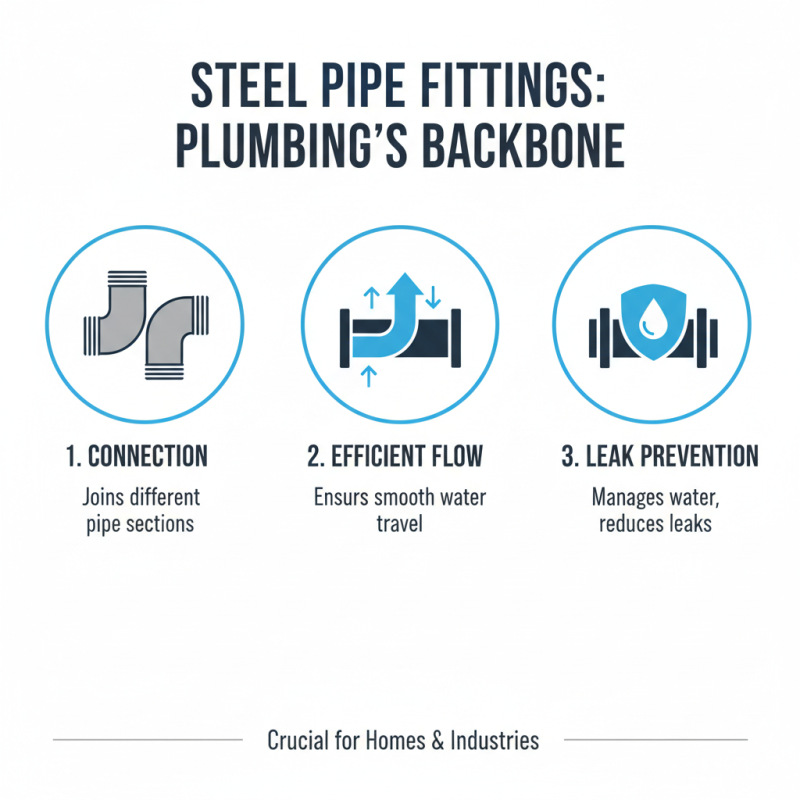
Steel pipe fittings play a crucial role in plumbing systems. They ensure water travels smoothly through various paths. These fittings connect different pipe sections, creating a more efficient flow. In homes and industries, they help manage the direction of water, reducing the risk of leaks.
One key function of steel fittings is their ability to handle high pressure. They can withstand tough conditions, providing durability. By using these fittings, plumbers can create systems that support various needs, from residential use to larger projects. They also help avoid blockages and minimize the chances of system failures.
However, maintenance is essential. Regular inspections can identify issues before they become major problems. Sometimes, the fittings can corrode over time, affecting their performance. Being proactive about upkeep allows for better longevity. Through careful monitoring, the effectiveness of steel pipe fittings can remain robust in any plumbing system.
Benefits of Using Steel Pipe Fittings Over Other Materials
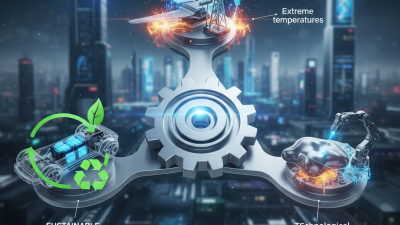
Steel pipe fittings offer several benefits for plumbing systems. They provide remarkable durability and resistance to corrosion. Unlike plastic fittings, steel can withstand extreme temperatures and pressures. This makes steel a preferred choice for many plumbing applications. In industrial settings, where conditions can be harsh, steel fittings excel.
Another advantage is the ability to create strong and secure connections. Steel fittings are often welded or threaded, ensuring tight seals. This helps prevent leaks, a common issue with other materials. However, installation requires skill. A poorly fitted steel joint can lead to significant problems.
While the initial cost of steel fittings can be higher, their longevity compensates for it. They often outlast plastic alternatives, reducing the need for frequent replacements. Still, it’s important to consider potential rusting issues. Regular maintenance is a must to keep things flowing smoothly. Some might overlook these details, leading to oversight in plumbing plans. In the long run, the investment often pays off.
Installation Considerations for Steel Pipe Fittings in Plumbing
When installing steel pipe fittings in plumbing, several factors come into play. The choice of fittings influences
flow efficiency and system durability. It's crucial to select the
right type and size. Improper selection can lead to leaks and pressure loss. Always check compatibility with existing pipes to avoid
costly mistakes. Measurements must be accurate. A small error can cause significant issues.
Another important consideration is the installation method. Welded fittings require skill and precision, while threaded options may allow
easier adjustments. Each method has its pros and cons. Ensure every fitting is securely fixed. Loose fittings can lead to serious leaks over time. It’s advisable to use
sealants and gaskets as added protection.
Don't overlook regular maintenance after installation. Inspect for signs of wear or corrosion periodically. Addressing small issues early can prevent major problems later.
Rushing through these processes often leads to regrets. A thoughtful approach will ultimately yield a reliable plumbing system.
Maintenance and Longevity of Steel Pipe Fittings in Plumbing Systems
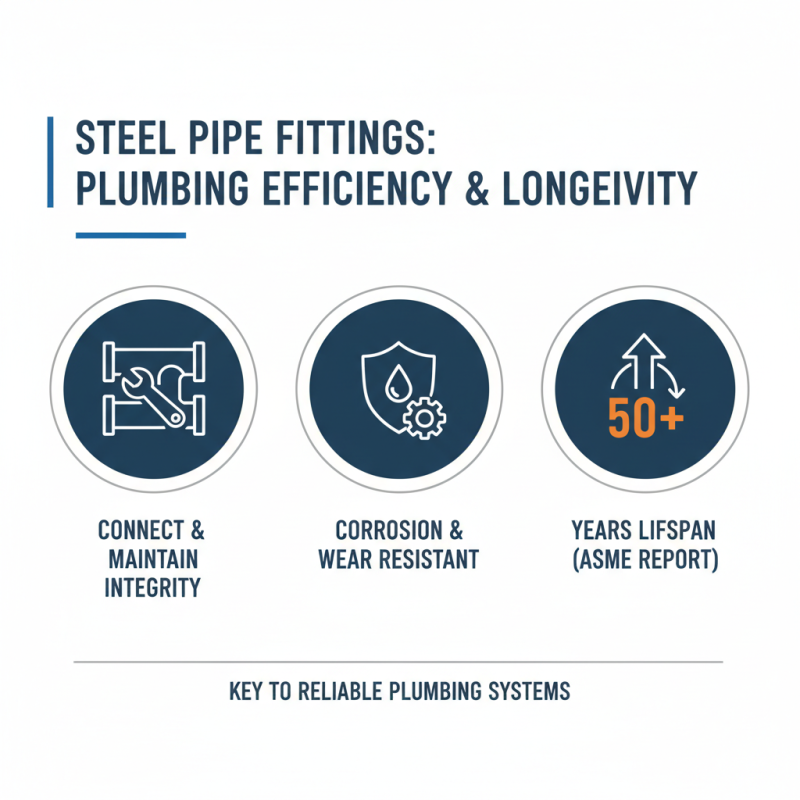
Steel pipe fittings play a critical role in ensuring the efficiency of plumbing systems. They connect various pipes and maintain the system's integrity. When made from high-quality steel, these fittings resist corrosion and wear, promising a longer lifespan. A report by the American Society of Mechanical Engineers (ASME) states that properly maintained steel fittings can last upwards of 50 years in piping systems.
Regular maintenance significantly affects the longevity of these fittings. For instance, routine inspections can help identify early signs of wear and corrosion, allowing for timely replacements. According to a study by the American Water Works Association (AWWA), neglecting maintenance can reduce the lifespan of plumbing systems by 25%. Even with robust materials like steel, issues may still arise. If not addressed, minor leaks can evolve into major failures, leading to costly repairs.
Moreover, the environment plays a vital role in the performance of steel fittings. High humidity or exposure to certain chemicals may accelerate corrosion. It's essential for property owners to be vigilant. Small issues could lead to significant problems if overlooked. Proper education on maintenance and potential hazards can prevent unexpected expenses and ensure efficient plumbing.