10 Essential Tips for Copper Pipe Installation and Maintenance?
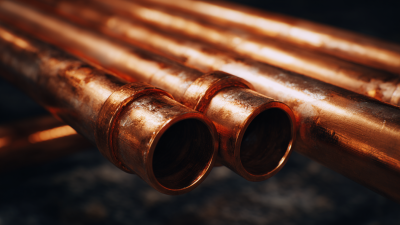
Copper pipe installation is a key skill in plumbing projects. Understanding the nuances of working with this material can save time and resources. Many homeowners and professionals alike face challenges during installation and maintenance.
Choosing the right tools is crucial. The quality of fittings and connectors can influence performance. Proper soldering techniques are essential for leak-free joints. Yet, common mistakes can lead to costly repairs. Observing details like pipe alignment can make a significant impact.
Maintenance is equally important. Regular inspections can identify potential issues early. Corrosion and scale buildup are common concerns. Learning how to address these problems can extend the life of your plumbing system. With the right approach, you can ensure your copper pipe systems operate efficiently for years.
Choosing the Right Type of Copper Pipe for Your Project
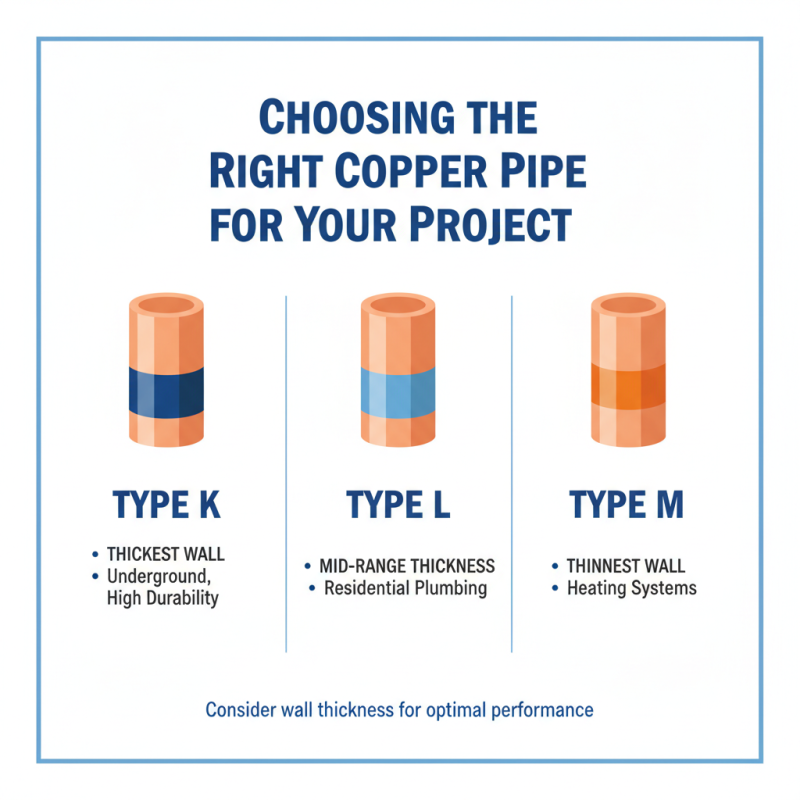
When selecting the right type of copper pipe for your project, consider various factors. The thickness of the pipe wall is important. Choose between Type K, L, and M. Type K is the thickest and ideal for underground applications. It offers high durability. Type L has a mid-range thickness, making it suitable for residential plumbing. Type M is the thinnest and often used for heating systems.
Additionally, consider the pipe’s diameter. Common sizes range from ¼ inch to 2 inches. A larger diameter allows for increased water flow but requires careful handling. Pay attention to the project requirements. If you’re installing in a high-pressure area, opt for thicker pipes. Your local building codes may dictate specific types as well.
Installation techniques matter too. Proper cleaning and fitting can prevent leaks. Practice soldering techniques for a secure connection. Mistakes can lead to costly repairs later. It’s crucial to ensure all joints are watertight. Take your time during installation. Rushing can lead to oversights. Always measure twice and install once for the best results.
Essential Tools Required for Copper Pipe Installation
When it comes to copper pipe installation, having the right tools is crucial. A pipe cutter is essential; it ensures clean and precise cuts. Choosing an adjustable wrench is also important for tightening fittings without damaging them. Don't forget to have a deburring tool on hand. It helps remove sharp edges after cutting, which prevents potential leaks.
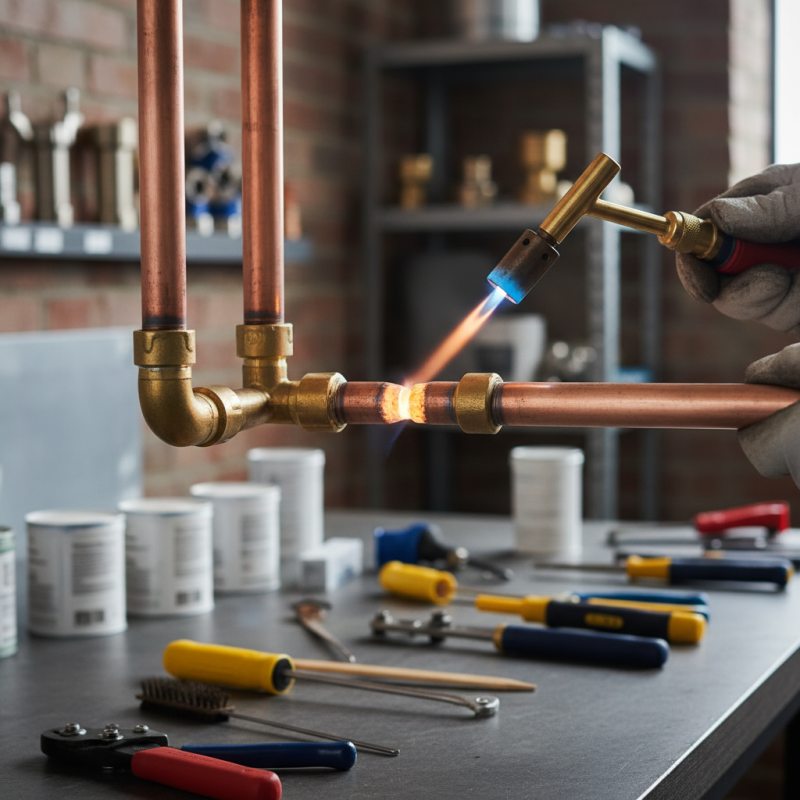
A soldering kit is needed when joining copper pipes. Make sure to include flux and solder for strong connections. A propane torch will efficiently heat the joints during soldering. Safety goggles are vital to protect your eyes from sparks. Wear gloves to avoid burns too. Additionally, a measuring tape ensures accurate lengths, which can save time and materials.
However, even with the right tools, mistakes can happen. Miscalculated measurements can lead to wasted pipe sections. Not all fittings may align perfectly, causing frustrating leaks later. Regular maintenance tools, like a pipe wrench for tightening, can address ongoing issues. It's important to regularly check connections for signs of wear or corrosion, ensuring a reliable plumbing system over time.
10 Essential Tips for Copper Pipe Installation and Maintenance
| Tip Number |
Tip Description |
Essential Tools |
Frequency of Maintenance |
| 1 |
Plan Your Pipe Layout Carefully |
Measuring Tape, Marker |
Before Installation |
| 2 |
Use Proper Pipe Fittings |
Pipe Fittings, Wrench |
As Needed |
| 3 |
Clean the Pipe Ends Before Joining |
Cleaning Brush, Cloth |
Before Installation |
| 4 |
Solder the Joints Correctly |
Torch, Solder, Flux |
After Installation |
| 5 |
Insulate Pipes in Cold Areas |
Pipe Insulation Material |
Seasonally |
| 6 |
Check for Leaks Regularly |
Leak Detection Solution |
Monthly |
| 7 |
Avoid Corrosion by Using the Right Chemicals |
Chemical Tester Kit |
Quarterly |
| 8 |
Maintain Adequate Water Pressure |
Pressure Gauge |
Monthly |
| 9 |
Keep Pipes Away from Direct Heat Sources |
Thermal Insulation |
As Needed |
| 10 |
Hire Professionals for Complex Installations |
None |
As Needed |
Step-by-Step Guide to Cutting and Fitting Copper Pipes
Cutting and fitting copper pipes requires precision and care. Begin by measuring the length needed. Use a marker to make clear, straight lines. A pipe cutter is the best tool for this job. It ensures a clean cut, preventing leaks later. If you notice any burrs on the edge, use a deburring tool. This small step can save you from problems down the line.
When fitting pipes, ensure the ends are clean. Use a fine cloth to wipe the surfaces. This helps achieve a better seal. Apply soldering paste evenly for a smooth joint. Heat the joint while keeping an eye on the solder. Too much heat can damage the pipe. After cooling, inspect the joint for any gaps. It's essential to address small mistakes now to avoid bigger issues later. Remember, an imperfect joint can lead to leaks and costly repairs.
10 Essential Tips for Copper Pipe Installation and Maintenance
The following chart presents the importance of various maintenance tips for copper pipe installation, expressed in percentage for clarity.
Common Mistakes to Avoid During Copper Pipe Installation
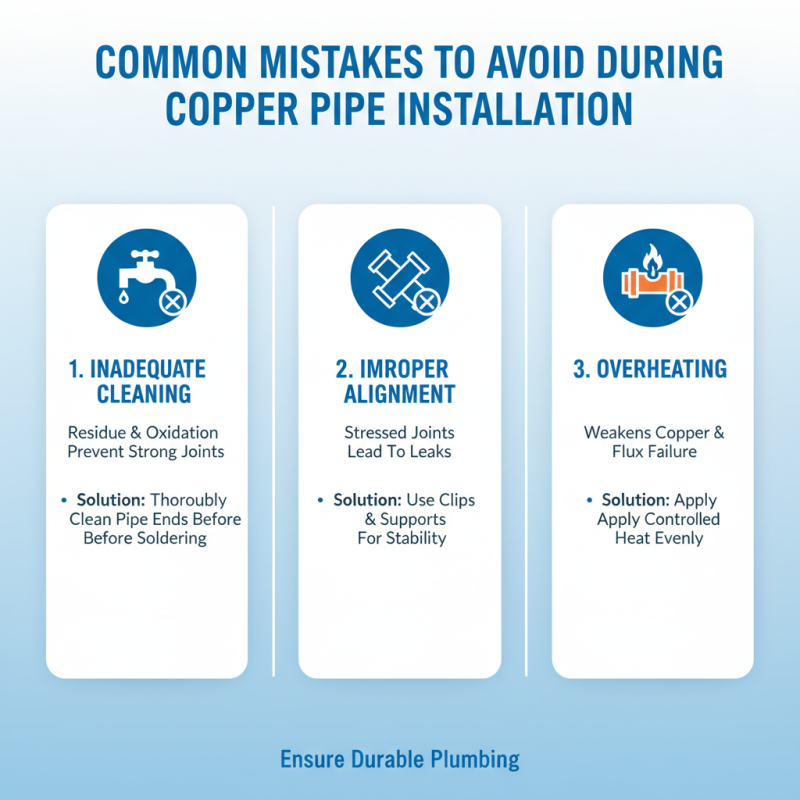
When installing copper pipes, attention to detail is crucial. Many DIY enthusiasts overlook critical steps, leading to costly mistakes. A common error is inadequate cleaning of the pipe ends. If there is residue or oxidation, the joint won't form properly. Take time to clean each piece thoroughly before soldering.
Another frequent mistake is improper fitting alignment. Misaligned pipes can cause leaks or stress on joints. If the pipe fittings do not sit well together, it’s essential to fix this before proceeding. Neglecting to use the right tools can also lead to issues. Having the correct pipe cutter and deburrer ensures a clean cut and smooth edges.
Finally, a rush job can create various problems. Soldering too quickly can result in weak joints. Patience is key to achieving a strong and durable connection. Always double-check your work before sealing the pipes. Minor oversights can lead to major repairs later.
Tips for Regular Maintenance and Inspection of Copper Plumbing Systems
Regular maintenance and inspection of copper plumbing systems is crucial. According to industry reports, around 10% of homes experience plumbing leaks annually. Neglecting these issues can lead to significant water damage and costly repairs. Homeowners should be mindful of their copper pipes' condition.
One key tip is to check for corrosion. This often appears as greenish spots or buildup. It's essential to address these signs early. Additionally, inspect fittings and joints regularly for leaks. A small drip can lead to big problems over time.
Consider scheduling professional inspections every few years. Experts suggest that this proactive approach can enhance the lifespan of your plumbing system. Remember, keeping your copper pipes clean and dry can prevent many issues. Regularly flushing your system also helps maintain water quality.