Essential Pipe Fittings Tips for Global Buyers to Save Costs
When sourcing Pipe Fittings globally, buyers face unique challenges. The market is vast, with different suppliers and standards. Understanding how to navigate this complexity can lead to significant cost savings.
Pipe Fittings are essential components in various industries, from construction to manufacturing. Choosing the right fittings ensures system efficiency and reliability. However, the variety can be overwhelming, and mistakes can be costly.
Buyers must consider material types, sizing, and compatibility. Researching suppliers is crucial to establish trust. Quality assurance processes and production standards should be a priority. Yet, even with the best planning, issues can arise. Reflecting on past experiences helps improve future decisions.
Understanding Different Types of Pipe Fittings and Their Applications
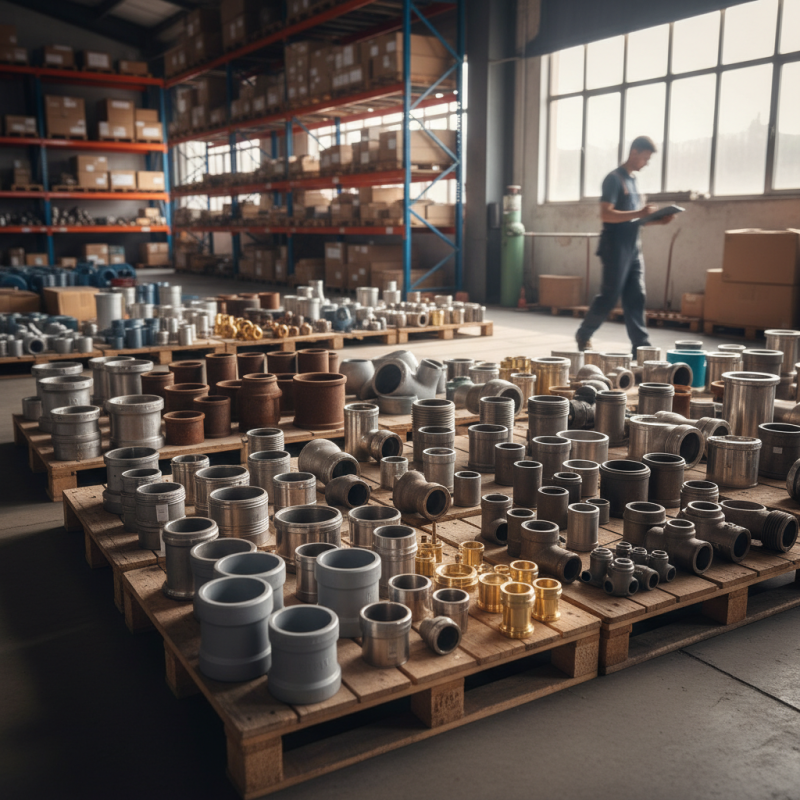
When selecting pipe fittings, understanding their types and applications is crucial. There are several common types, including
elbows, tees, and couplings. Each serves a unique function in piping systems. For instance, elbows change the direction of flow. Tees are used to branch off a pipeline. Couplings connect two pipes together.
Different materials impact performance and cost. PVC is lightweight and cost-effective for water systems. However, it may not be suitable for high-pressure applications. Stainless steel offers durability and corrosion resistance, making it ideal for demanding environments. Buyers should assess their specific needs versus potential costs.
Consider the dimensions and compatibility of fittings. Misjudging sizes can lead to costly delays. Ensure proper measurements before placing orders. Sometimes, opting for generic fittings may seem like a good idea. Yet, these can lead to issues like leakages. Reflect on quality versus budget.
A poor choice now can lead to higher costs later. Prioritize reliable options to avoid future complications.
Factors to Consider When Sourcing Pipe Fittings Globally
When sourcing pipe fittings globally, buyers must consider various factors to ensure cost efficiency. The global pipe fittings market is projected to grow at a CAGR of 4.3% from 2021 to 2026, according to industry reports. Understanding these trends is essential for making informed decisions. Analyzing supplier capabilities is crucial. A reliable supplier should demonstrate consistent quality and compliance with international standards, which can save costs in the long run.
Buyers should also assess the Total Cost of Ownership (TCO). This includes not just the purchase price but also shipping fees, tariffs, and lead times. A report from a supply chain management firm highlights that transportation costs can account for 10% to 15% of total expenses. Additionally, consider the geographical location of suppliers. Sourcing closer to your manufacturing facilities can significantly reduce logistics costs and delays.
Quality certification plays a vital role in sourcing. Look for suppliers with industry-recognized certifications, such as ISO 9001. This can save future expenses related to product failures. However, some organizations overlook these details, resulting in costly mistakes. Reflecting on past sourcing experiences can help buyers identify areas for improvement. Investing time in thorough supplier evaluations will ultimately lead to more cost-effective and reliable sourcing of pipe fittings.
Effective Strategies for Negotiating Prices with Suppliers
When negotiating prices with suppliers, understanding market trends is crucial. Buyers should keep an open mind and perform thorough research.
Analyze the prices of similar products in the industry. This background knowledge will empower you during discussions. Gather data on recent sales and popular pipe fittings, as it can influence your leverage.
Building a strong relationship with your suppliers also matters. Establishing trust often leads to better deals. Regular communication keeps both parties engaged. Discussing your needs openly may prompt suppliers to offer discounts or bulk pricing options.
Don’t hesitate to ask for flexibility. Sometimes, suppliers have room to negotiate but will need a push to reveal it.
Being prepared to walk away can shift the dynamics in your favor. Suppliers may underestimate your commitment. If you reveal your willingness to explore other options, they might reconsider their pricing.
Additionally, seek feedback from peers or industry experts. This outside perspective can identify gaps in your negotiation strategy, allowing for adjustments.
Staying adaptable is key to achieving cost-effective solutions in pipe fitting procurement.
Quality Assurance Practices for Pipe Fittings to Avoid Costly Mistakes
Quality assurance in pipe fittings is crucial for global buyers. Ensuring the right quality can prevent costly mistakes. Start by verifying the manufacturing process. Look for standardized practices and certifications. Factories that prioritize quality often have documented procedures. Use this documentation to evaluate their commitment.
Inspecting raw materials is another vital aspect. Materials should meet specified standards to ensure durability. Request samples when possible. Experienced buyers often discover discrepancies that could lead to failures later. Do not overlook these details. They can save significant costs in the long run.
Tip: Engage in conversations with suppliers to gauge their understanding of quality assurance. Their expertise can provide valuable insights. Ask about their quality control measures. Understanding their processes ensures that you’re not just relying on promises. An informed buyer is a safer buyer.
Essential Pipe Fittings Tips for Global Buyers
| Tip Category |
Description |
Importance |
Potential Costs |
| Material Selection |
Choose the right material based on the application to ensure durability. |
High |
$500 - $5000 |
| Quality Standards |
Ensure compliance with international quality standards (e.g., ISO). |
Critical |
$1000 - $10000 |
| Supplier Verification |
Conduct due diligence on suppliers to avoid scams. |
Very High |
$200 - $2000 |
| Cost Analysis |
Perform a thorough cost analysis incorporating all expenses. |
High |
$300 - $3000 |
| Inspection Processes |
Implement rigorous quality inspection on delivered items. |
Very High |
$400 - $4000 |
Transportation and Logistics Tips for Reducing Pipe Fitting Costs
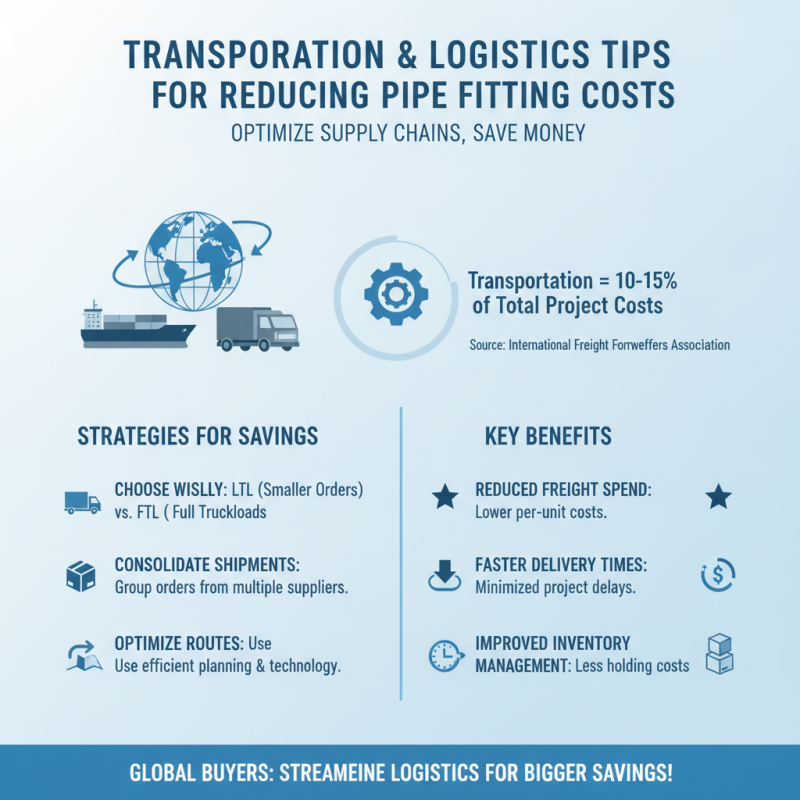
Transportation and logistics play a crucial role in managing pipe fitting costs for global buyers. According to the International Freight Forwarders Association, transportation costs can account for up to 10-15% of the total project expenses. This figure emphasizes the importance of optimizing logistics to save money in supply chains. Choosing the right shipping methods can significantly impact overall costs. For instance, less-than-truckload (LTL) shipping might be more economical for smaller orders compared to full truckloads.
Moreover, understanding incoterms can streamline the shipping process. It helps clarify responsibilities between buyers and suppliers, reducing misunderstandings that could delay deliveries. A 2022 study by Logistics Management indicated that miscommunications lead to increased costs by around 8% in international shipping. Analyzing trade routes also proves beneficial. Ways to optimize logistics must always be explored. Leaders in logistics suggest regularly assessing freight routes for efficiency and cost-effectiveness.
Delivery schedules can pose challenges as well. Tight schedules may result in higher expedited shipping rates. When planning, consider the potential savings by allowing flexible delivery timelines. Reliable transport partners can create value but may not always be available. Buyers often encounter issues focusing solely on cost savings. Understanding the balance between cost, reliability, and speed is critical. It's normal to face challenges in the logistics chain, as the dynamics are constantly changing.