Why Is Steel Pipe Supply Important for Construction Projects?
The importance of Steel Pipe Supply in construction projects cannot be overstated. As John Thompson, a seasoned expert in the steel industry, states, "Steel pipes are the backbone of many construction endeavors." In many cases, the success of projects relies heavily on the availability and quality of steel pipes.
Construction teams face challenges when steel pipe supply is inconsistent. Poor supply can lead to delays and increased costs. These issues can ripple through an entire project. Skipping over the details of supply quality and reliability often results in missed opportunities for efficiency. For instance, a project could stall simply because the needed steel pipes were delayed.
Moreover, the quality of steel pipes impacts overall project safety. Contractors must ensure that they are using reliable materials. A higher upfront cost for quality steel pipes can save money in the long run. In this context, reflecting on the supply chain becomes essential. Each link in that chain influences the success of construction projects significantly.
Importance of Steel Pipe Supply in Construction Projects
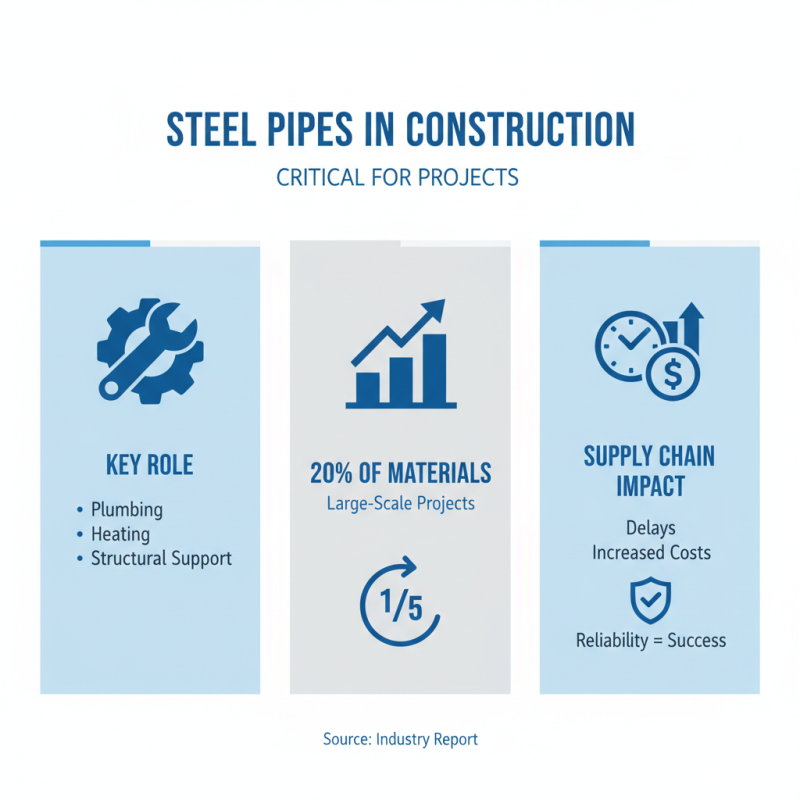
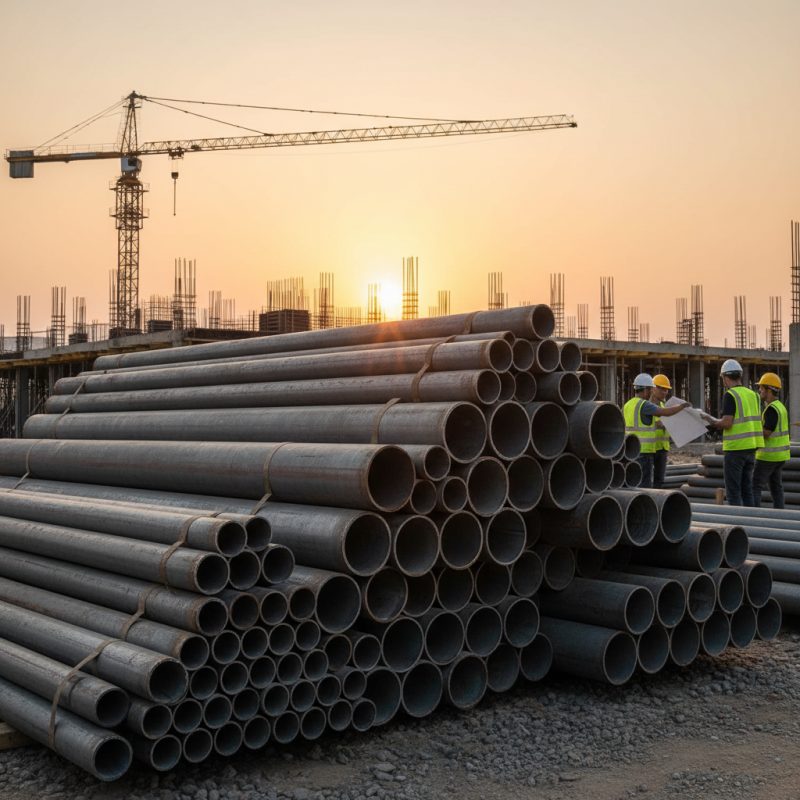
The supply of steel pipes plays a critical role in construction projects. These materials are used in various applications, including plumbing, heating, and structural support. According to a recent industry report, steel pipes account for nearly 20% of all materials used in large-scale constructions. Without a reliable supply chain, projects may face delays or increased costs.
One area to focus on is inventory management. It’s vital to maintain adequate stock levels of steel pipes to avoid outages. The construction industry has faced challenges in the past due to material shortages. Proactive planning can mitigate such risks.
Tips: Ensure to monitor market trends. Prices can fluctuate significantly based on demand and availability. Additionally, consider alternative suppliers. Relying on a single source can be detrimental. Diversifying sources helps maintain steady supply levels.
Communication between project managers and suppliers is essential. Misaligned expectations can lead to serious setbacks. Establish clear timelines and requirements with your suppliers. Regular updates can help keep all parties informed. This setup fosters better relationships and ensures that your project runs smoothly.
Role of Steel Pipes in Structural Integrity and Safety
Steel pipes play a crucial role in the structural integrity and safety of construction projects. Their strength and durability ensure buildings can withstand various stresses. According to a report by the American Institute of Steel Construction, over 90% of commercial structures utilize steel in their frameworks. This significant reliance on steel pipes showcases their importance.
In construction, steel pipes provide a reliable mechanism for transferring loads. They are often used in scaffolding, plumbing, and as structural supports. Improper sizing or material choice can lead to catastrophic failures. A report by the Engineering News-Record noted that structural failures caused by inadequate support systems account for 15% of construction accidents. This highlights the need for quality steel pipe supply.
**Tip:** Always consult with structural engineers when selecting steel pipes. They can recommend suitable grades and sizes for specific applications.
Quality control is essential. Not all suppliers ensure high standards in production. Low-quality steel pipes can diminish safety and increase project costs. Regular inspections and testing can prevent future issues.
**Tip:** Consider investing in third-party inspections. They help verify compliance with safety standards and material quality.
Importance of Steel Pipe Supply in Construction Projects
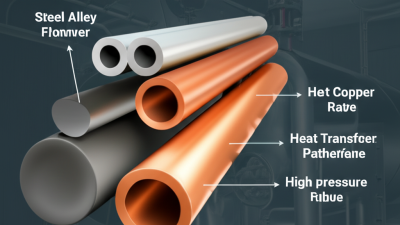
This chart illustrates the role of steel pipes in ensuring structural integrity and safety within construction projects.
Supply Chain Considerations for Steel Pipes in Construction
The availability of steel pipes is critical in the construction industry. Supply chain considerations must be at the forefront of project planning. A recent report indicates that over 40% of construction delays are linked to material shortages. Among these, steel pipes are often pivotal. Projects reliant on these materials can come to a halt when supplies are disrupted.
Manufacturers and suppliers must be aware of fluctuations in demand. The construction sector is expected to grow by 5.4% annually through 2025. This growth impacts steel pipe requirements. However, the supply chain for steel pipes is complex. It involves sourcing raw materials, transportation, and production schedules. A delay at any point can set back an entire project.
Additionally, steel prices can be volatile. Reports show prices surged by 35% in 2021 due to various factors. Such fluctuations make budgeting challenging for project managers. Some may overlook the importance of maintaining adequate inventory levels. This oversight could result in job site inefficiencies, forcing teams to recycle plans mid-project. Awareness of supply chain dynamics is essential. It's not just about having materials; it’s about having them when needed.
Why Is Steel Pipe Supply Important for Construction Projects? - Supply Chain Considerations for Steel Pipes in Construction
| Dimension |
Value |
Significance |
| Diameter |
2 inches |
Suitable for medium-sized structures |
| Material Grade |
API 5L Grade B |
Good balance of strength and weldability |
| Wall Thickness |
0.25 inches |
Enhances durability and pressure capacity |
| Length |
20 feet |
Standard length for ease of transport |
| Coating Type |
Galvanized |
Prevents corrosion, extending pipe lifespan |
| Supply Chain Lead Time |
8 weeks |
Important for project scheduling and budgeting |
| Cost per Ton |
$800 |
Affects overall project cost |
Impact of Steel Pipe Availability on Project Timelines
The availability of steel pipes is critical for construction projects. Delays in supply can result in significant project hold-ups. A delay in steel pipes impacts not just timelines but also budgets. Projects may face increased costs due to idle labor. Tight schedules become even tighter without materials.
When steel pipes are scarce, contractors scramble to find alternatives. This can lead to rushed decisions that may not meet quality standards. The quest for supply may push teams to use subpar materials. This doesn't only affect safety; it also impacts the overall durability of the infrastructure.
Moreover, having steel pipes readily available allows for a smoother workflow on-site. When teams have what they need, progress is consistent. Communication is also enhanced; everyone knows the timeline. In contrast, when materials are delayed, uncertainty looms. This can undermine relationships between contractors and clients. Each delay creates ripples that can be difficult to manage.
Sustainability and Environmental Aspects of Steel Pipe Production
The construction industry heavily relies on steel pipes. However, the production of these pipes poses significant environmental challenges. Steel pipe manufacturing is energy-intensive. It accounts for around 8% of global CO2 emissions. The sustainability of steel pipe supply is increasingly under scrutiny.
One way to improve sustainability is through recycling. The steel industry has an impressive recycling rate of about 85%. This reduces the need for raw materials and conserves energy. Yet, not all regions prioritize recycling. Some production facilities still depend on virgin materials. This approach can lead to excess waste and pollution.
Additionally, new technologies are emerging. Innovations such as electric arc furnaces use less energy than traditional methods. These methods produce fewer emissions. However, the adoption of these technologies varies widely across the globe. Not every manufacturer is on board. There's a clear need for more industry-wide commitment to green practices.