What Are the Key Benefits of Seamless Steel Tubes?
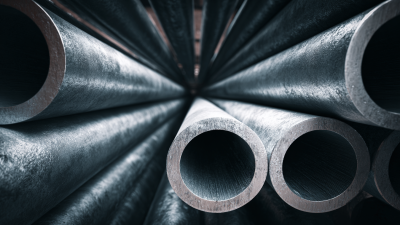
Seamless Steel Tubes play a vital role in various industries. Their structural integrity makes them ideal for high-pressure applications. These tubes are crafted without welding seams, which enhances their strength and durability. Engineers appreciate their uniformity and resistance to harsh conditions.
One key benefit of these tubes is their versatility. They can be used in oil and gas, automotive, and construction sectors. Reliability is crucial, and seamless steel tubes offer that assurance. However, one must consider the cost. They tend to be more expensive than welded options, which can impact budget constraints.
In summary, understanding the benefits of seamless steel tubes is essential for anyone involved in their applications. With their unique properties, they provide solutions that standard tubes cannot. Yet, careful judgment is required to weigh their advantages against the investment needed.
Key Features of Seamless Steel Tubes
Seamless steel tubes are essential in various industries due to their unique features. Made without welds, they offer superior strength and resistance to pressure. According to a recent report by Research and Markets, the seamless steel tube market is expected to reach USD 160 billion by 2027. This growth highlights their increasing importance in sectors like oil and gas, construction, and automotive.
One of the key features of these tubes is their uniform structure. The absence of seams minimizes the risk of leaks and failures. This structural integrity is crucial for high-pressure applications. Furthermore, seamless tubes exhibit excellent fatigue resistance. This makes them suitable for demanding environments where safety is paramount. Despite these impressive qualities, the manufacturing process can be complex and requires precision. This complexity sometimes leads to higher costs compared to welded tubes.
Additionally, seamless steel tubes can be produced in various sizes and thicknesses. This versatility allows for customization in projects. However, it is essential to note that not all applications require seamless tubes. In some scenarios, welded alternatives may be sufficient. The choice depends on specific project requirements and budget constraints.
Durability and Strength of Seamless Steel Tubes
Seamless steel tubes offer unparalleled durability and strength. These features make them ideal for various applications, including construction and automotive industries. The absence of welded seams significantly reduces the risk of structural failure. These tubes withstand extreme pressures and temperatures. This resistance is crucial for industries that require reliable materials.
When selecting seamless steel tubes, consider the intended use. High-strength options may be needed for heavy-duty applications. Evaluate the specific conditions, such as exposure to chemicals and humidity. This attention to detail can prevent costly failures down the line.
Regular inspections are also vital to maintain the integrity of seamless steel tubes. Look for signs of wear or corrosion. Early detection can help address issues before they escalate. Investing in quality materials and proper maintenance ensures the longevity of your projects. Balancing budget constraints with the need for reliability is key in decision-making.
Applications of Seamless Steel Tubes in Various Industries
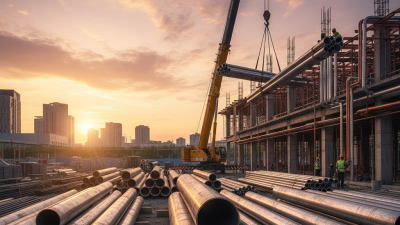
Seamless steel tubes are widely used across various industries due to their versatility and strength. In the automotive sector, these tubes are essential for constructing critical components. They ensure high performance and safety in vehicles, withstanding significant pressures. Seamless steel tubes help in reducing weight, which is crucial for improving fuel efficiency.
In the aerospace industry, seamless tubes play a pivotal role in manufacturing aircraft structures and engine components. Their ability to withstand extreme temperatures and pressures is unmatched. This reliability translates into safer air travel. However, the challenge lies in sourcing high-quality materials that meet stringent regulatory standards.
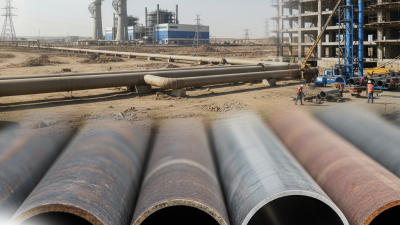
The energy sector also benefits from seamless steel tubes, particularly in oil and gas pipelines. These tubes can handle the corrosive environment of transportation and the high pressures of deep-sea drilling. Despite their advantages, considerations around cost and supply chain stability remain complex. Decision-makers must weigh these factors against the need for durability and efficiency.
Cost-Effectiveness of Seamless Steel Tubes Compared to Other Materials
Seamless steel tubes are increasingly favored in various industries due to their cost-effectiveness. When compared to traditional welded tubes, seamless options offer greater structural integrity. Their uniform wall thickness and absence of weld joints reduce the risk of failure under pressure. This intrinsic strength can lead to lower long-term maintenance costs. Additionally, seamless tubes are less prone to corrosion, which further enhances their longevity.
The initial investment in seamless steel might seem high. However, over time, the durability and reliability of these tubes prove their worth. They can withstand higher temperatures and pressures, making them ideal for critical applications, such as oil and gas pipelines. The reduced risk of leaks translates to significant savings on repairs and downtime. Moreover, seamless steel tubes often require fewer fittings and joints during installation, which can lower labor costs.
However, not all applications demand seamless steel. In some scenarios, welded tubes might suffice and come at a lower initial price. It’s essential to assess the specific needs of each project before deciding. Evaluating the total cost of ownership is crucial. Understanding the nuances of material choices can lead to more informed decisions and better resource management in the long run.
Environmental Benefits of Using Seamless Steel Tubes
Seamless steel tubes offer notable environmental benefits. They are produced with minimal waste. This is crucial in reducing the overall carbon footprint of manufacturing processes. According to a report by the World Steel Association, seamless steel production can emit up to 30% less CO2 compared to conventional welded methods.
These tubes are also highly durable, often lasting longer than their welded counterparts. This longevity means fewer replacements, which translates to less raw material extraction and less energy consumption over time. A study by the American Iron and Steel Institute highlights that using high-quality seamless tubes can lead to a reduction in maintenance costs and resource usage.
It’s essential to consider the entire lifecycle of seamless steel tubes. While initial production is crucial, recycling has significant environmental implications. Recycling steel can save up to 74% of energy compared to producing it from raw materials. By prioritizing recyclable materials, the steel industry aligns better with global sustainability goals.
Choose seamless steel tubes for their efficiency. The reduced waste sets a precedent for the entire industry. A mindful approach can lead to better environmental practices. Reflecting on these benefits can inspire further innovations. Sustainable manufacturing must remain a priority moving forward.
What Are the Key Benefits of Seamless Steel Tubes? - Environmental Benefits of Using Seamless Steel Tubes
| Benefit |
Description |
Environmental Impact |
| Durability |
Seamless steel tubes are resistant to wear and tear, leading to longer service life. |
Reduced waste due to less frequent replacements. |
| Energy Efficiency |
Higher strength-to-weight ratio allows for lighter structures. |
Lower energy consumption in transportation and construction. |
| Recyclability |
Can be easily recycled at the end of their life cycle. |
Contributes to circular economy and reduces landfill waste. |
| Corrosion Resistance |
Coatings and treatments enhance longevity and reduce maintenance needs. |
Less frequent use of harmful chemicals for maintenance. |
| Customizability |
Can be manufactured to specific dimensions and grades. |
Reduces material waste during production. |