What is a Seamless Pipe? Understanding Its Types, Uses, and Benefits
Seamless pipes have gained significant attention in modern industries due to their superior strength, durability, and versatility. According to a recent report by MarketsandMarkets, the global seamless pipe market was valued at approximately $30 billion in 2022 and is projected to grow at a compound annual growth rate (CAGR) of over 5% through 2030. This growth is primarily driven by the increasing demand from the oil and gas sector, construction, and automotive industries, where the need for reliable and sturdy piping solutions is paramount.
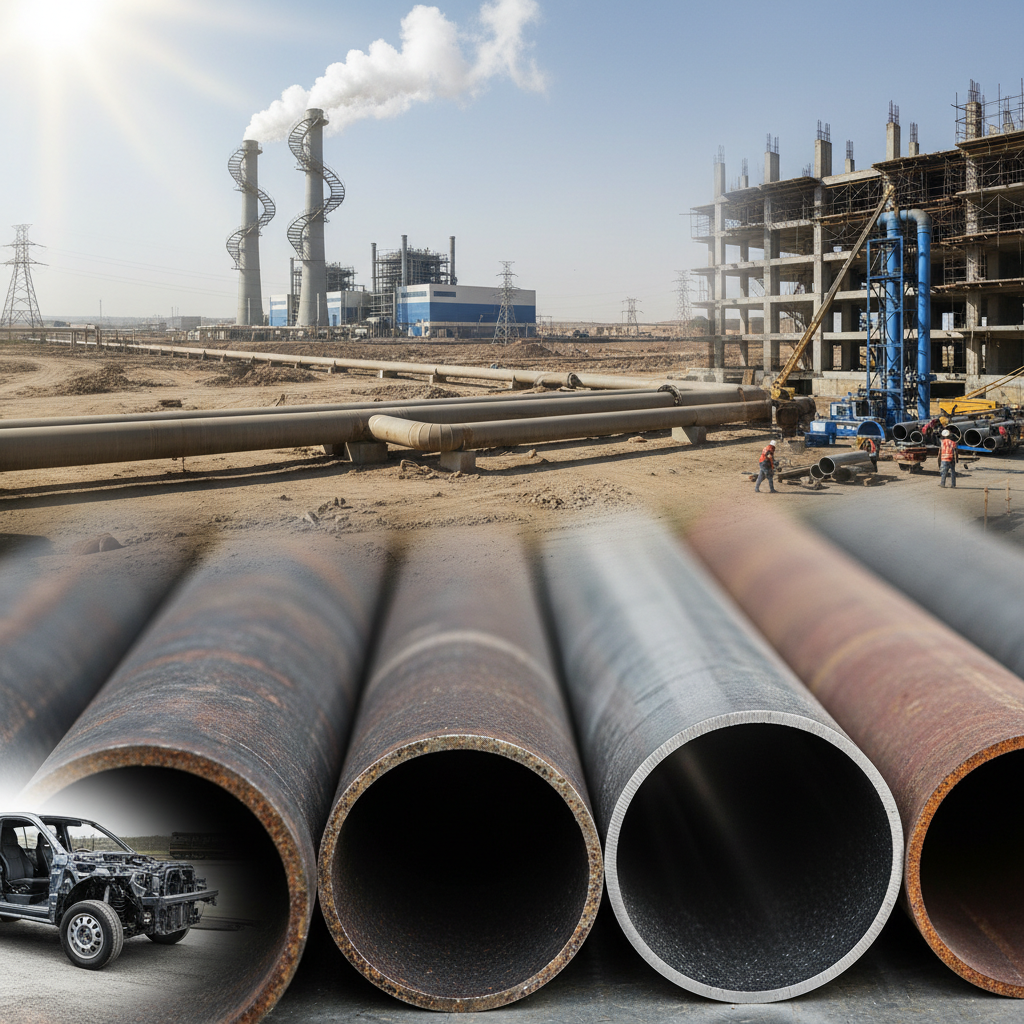
What sets seamless pipes apart from their welded counterparts is the absence of a seam, which reduces the likelihood of failure under high pressure and temperature. The technical benefits of seamless pipes are evident in their extensive applications ranging from high-temperature boilers in power generation to oil and gas pipelines where integrity and safety are non-negotiable. Additionally, seamless pipes are available in various types, including carbon steel, alloy steel, and stainless steel, allowing for versatility across different industrial applications. Understanding the types, uses, and benefits of seamless pipes is crucial for industries focused on optimizing performance and ensuring safety standards.
Types of Seamless Pipes: Exploring Material Variations and Specifications
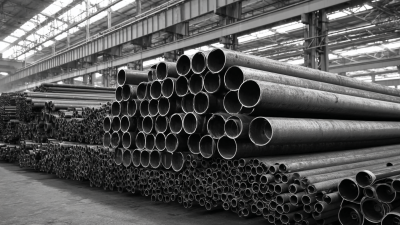
Seamless pipes are essential in various industries due to their unique construction and properties. These pipes are manufactured without any seams or welds, which significantly enhances their strength and durability. They are available in a variety of materials, including carbon steel, stainless steel, and alloy steel, each offering distinct advantages suited for specific applications. For instance, carbon steel seamless pipes are often chosen for their strength and cost-effectiveness, making them ideal for structural applications, while stainless steel variants are favored in environments requiring corrosion resistance, such as in the chemical and food processing industries.
When it comes to specifications, seamless pipes are produced in a range of diameters and wall thicknesses, which are governed by international standards such as ASTM and ASME. The dimensions can vary significantly, allowing customization for different uses, like high-pressure systems or oil and gas pipelines. Additionally, the manufacturing process typically involves hot or cold working techniques that further refine the pipe’s characteristics, ensuring they meet stringent quality and performance criteria. This versatility in material and specification allows seamless pipes to fulfill diverse operational demands across sectors, from construction and manufacturing to energy and transportation.
Types and Uses of Seamless Pipes
Common Applications of Seamless Pipes in Various Industries
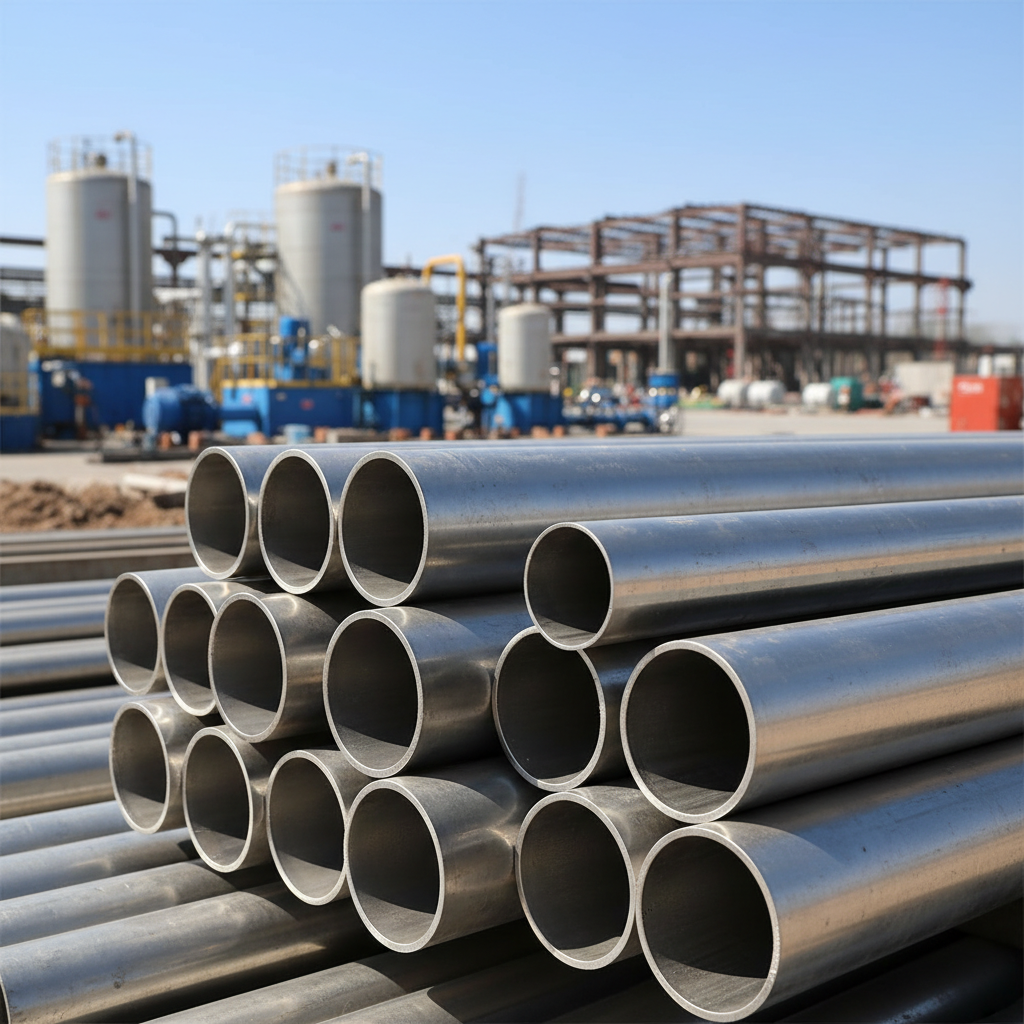
Seamless pipes are essential components across various industries, offering significant advantages in terms of strength, durability, and reliability. These pipes are produced without seams or welds, making them less prone to failure under pressure. They are commonly utilized in applications such as oil and gas transportation, chemical processing, and structural purposes in construction. The stainless steel seamless pipes market alone is projected to reach USD 5.15 billion by 2030, highlighting the growing demand within these sectors.
The global steel pipe market is anticipated to witness steady growth, with projections estimating it will reach USD 154.8 billion. This expansion is primarily driven by increasing industrialization and infrastructure development worldwide. Moreover, the cold drawn seamless steel pipes segment is particularly noteworthy, with market analyses indicating a substantial rise in demand forecasted between 2025 and 2034. These trends reflect the critical role seamless pipes play in meeting the demands of various end-use industries, ensuring efficient and safe operations in demanding environments.
Benefits of Using Seamless Pipes Over Welded Alternatives
Seamless pipes are increasingly recognized for their advantages over welded alternatives, particularly in demanding applications such as oil and gas exploration, water projects, and construction. Unlike welded pipes, seamless pipes are manufactured from a solid round steel billet, which is heated and molded into a tubular shape without any seams or joints. This process not only enhances the overall strength of the pipe but also eliminates weak points that are often found at welds, making seamless pipes more durable and resistant to pressure and corrosion.
The growing global demand for seamless pipes is evident, with the market projected to witness significant growth, fueled by governmental infrastructure initiatives and advancements in various industries. As seamless pipes offer superior reliability, they are increasingly favored for critical applications in sectors like transportation and industrial construction. Their ability to withstand high temperatures and pressures also makes them an ideal choice for oil and gas industries, contributing to the ongoing expansion and modernization of infrastructure in emerging markets.
Manufacturing Process of Seamless Pipes: An Overview
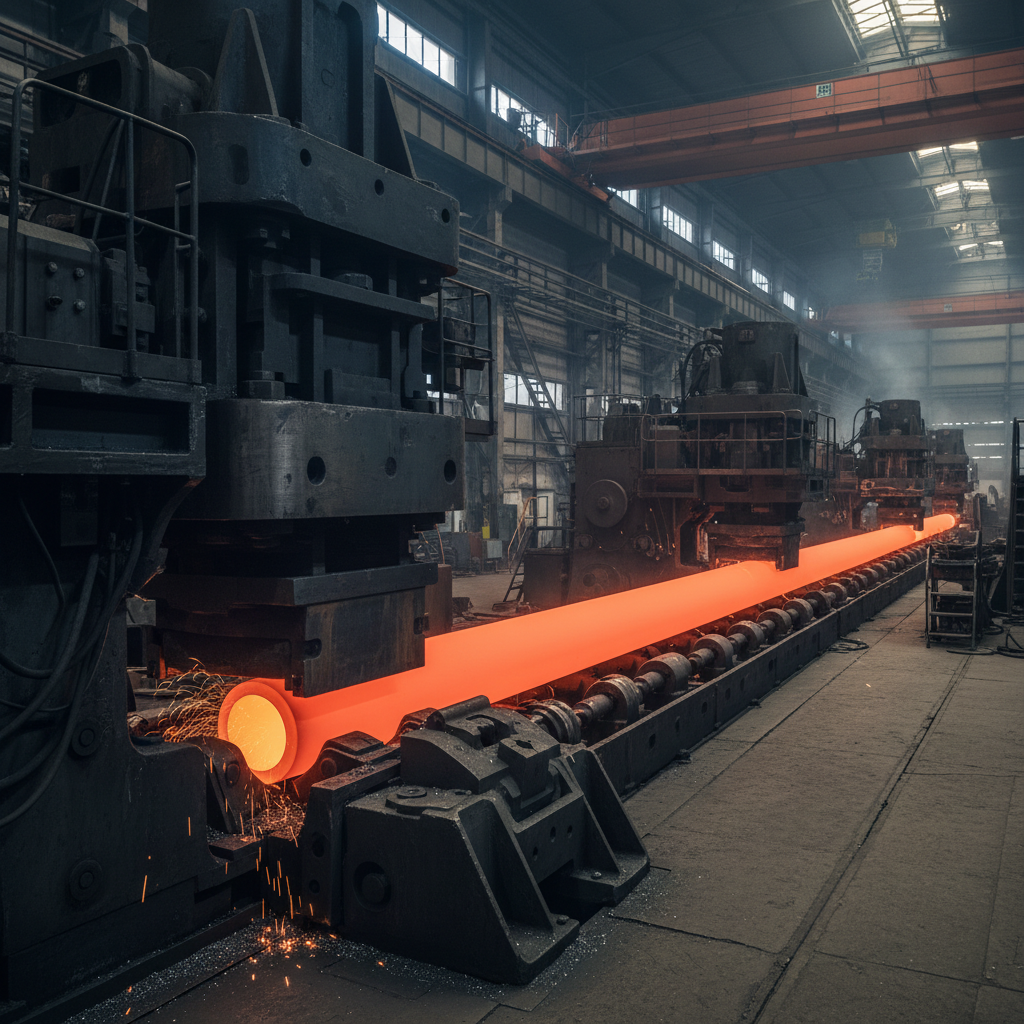
The manufacturing process of seamless pipes is integral to their unique properties and wide-ranging applications. Unlike welded pipes, seamless pipes are produced from a solid round steel billet, which is heated and then extruded to create the pipe. This method eliminates the weak points associated with welding, resulting in pipes that can withstand high pressure and extreme conditions. The seamless production process also allows for various diameters and wall thicknesses, contributing to their versatility across different industries.
Recent advancements in seamless pipe manufacturing, particularly with rare earth microalloyed materials, have further enhanced performance metrics such as strength and corrosion resistance. Innovative metallurgical solutions are making seamless pipes vital for modern energy infrastructures, where durability and reliability are paramount. As companies like Dee Development Engineers invest significantly in expanding their production capabilities, the seamless pipes market is projected to grow dynamically, underscoring the material's vital role in construction, manufacturing, and energy sectors. This trend reflects a broader shift towards high-performance materials that support evolving industrial needs.
Factors to Consider When Selecting Seamless Pipes for Projects
When selecting seamless pipes for projects, several key factors must be taken into consideration to ensure optimal performance and durability. Firstly, the material composition of the pipe is crucial. Different materials such as carbon steel, stainless steel, and alloy steel offer varying levels of resistance to corrosion and temperature fluctuations. The choice of material often depends on the specific application, with stainless steel being favored for its corrosion resistance in chemical processing environments.
Secondly, the dimensions and specifications of the seamless pipes, including diameter, wall thickness, and length, are significant. These specifications must align with the project requirements, as improper sizing can lead to structural issues or inefficiencies in flow dynamics. Additionally, standards such as ASTM or ASME guidelines should be adhered to, ensuring that the pipes meet essential safety and quality benchmarks. Lastly, considering the manufacturing process and quality control measures employed by the supplier can provide insights into the reliability and lifespan of the pipes, helping project managers make informed decisions.
What is a Seamless Pipe? Understanding Its Types, Uses, and Benefits
| Type of Seamless Pipe |
Uses |
Material |
Benefits |
Factors to Consider |
| Carbon Steel Seamless Pipe |
Oil and gas pipelines, structural applications |
Carbon steel |
High strength, durability, and resistance to high pressure |
Cost, diameter, wall thickness |
| Stainless Steel Seamless Pipe |
Food processing, chemical industries |
Stainless steel |
Corrosion resistance, high strength, and aesthetic appeal |
Corrosion resistance requirements, heat resistance |
| Alloy Seamless Pipe |
Chemical processing, power generation |
Various metal alloys |
Superior mechanical properties and performance at high temperatures |
Specific alloy characteristics, application requirements |
| High-Temperature Seamless Pipe |
Nuclear reactors, aerospace applications |
Specialty steels and alloys |
Exceptional strength and durability in high-temperature environments |
Temperature ratings, load requirements |