How to Select the Best Boiler Tube for Your Needs?
Choosing the right Boiler Tube is crucial for efficiency and safety. Many people overlook this aspect when designing or upgrading industrial systems. However, failing to select the appropriate tube can lead to performance issues.
There are various types of Boiler Tubes available on the market. Each type comes with unique specifications and materials. For example, some are more resistant to high temperatures. Others handle pressure differently. It’s essential to consider the specific needs of your application.
Evaluating your requirements can be challenging. You might feel uncertain about which features matter most. Reflection on past experiences can guide your selection. Understanding what works and what doesn't is vital. Failing to account for the right Boiler Tube can cost you in the long run.
Understanding Different Types of Boiler Tubes and Their Applications
When selecting boiler tubes, understanding their types is crucial. Different materials and designs cater to various applications. For instance, carbon steel tubes are common for low-pressure systems. These tubes withstand high temperatures but may corrode over time. Alloys offer better longevity and resistance to harsh conditions. They suit environments where durability is a must.
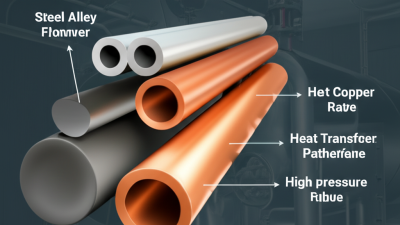
Stainless steel tubes stand out for their corrosion resistance. They work well in high-humidity settings. However, their cost can be a concern. Then there's the option of copper tubes. These excel in heat transfer efficiency. Yet, they lack the strength needed for high-pressure systems. So, choosing the right material is not always straightforward.
Consider manufacturing standards and pressure ratings as well. Each tube's specifications provide vital insight into its best use. Sometimes, the differences can be subtle. It is essential to research thoroughly. A wrong choice here can lead to costly repairs. Awareness of these details can significantly impact performance and safety.
How to Select the Best Boiler Tube for Your Needs?
| Type of Boiler Tube |
Material |
Typical Application |
Temperature Range (°C) |
Pressure Rating (psi) |
| Carbon Steel Tube |
Carbon Steel |
Power Generation |
150 - 400 |
300 - 600 |
| Alloy Steel Tube |
Alloy Steel |
Fossil Fuel Power Plants |
250 - 600 |
600 - 1200 |
| Stainless Steel Tube |
Stainless Steel |
Chemical Processing |
100 - 800 |
150 - 450 |
| Cupronickel Tube |
Cupronickel Alloy |
Marine Applications |
60 - 200 |
150 - 300 |
| Titanium Tube |
Titanium Alloy |
Pharmaceuticals |
20 - 600 |
50 - 100 |
Key Factors to Consider When Selecting Boiler Tubes for Efficiency
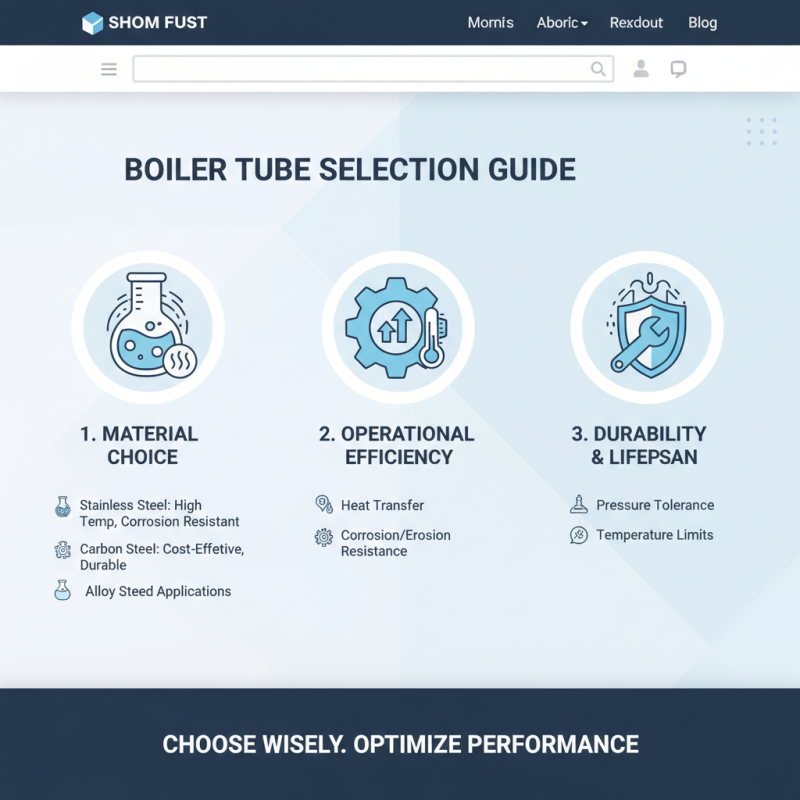
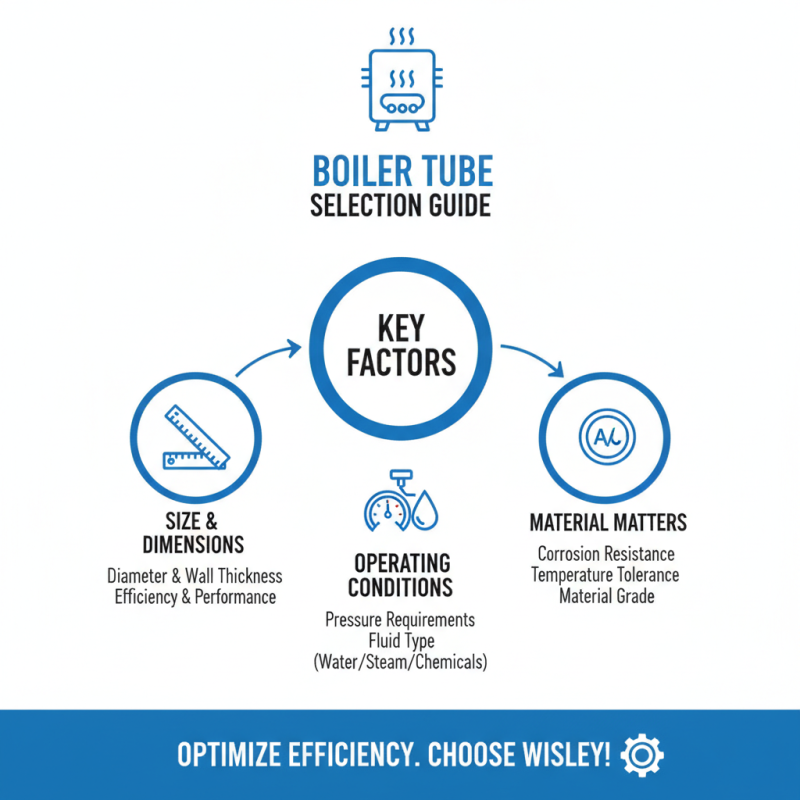
Selecting the right boiler tube is crucial for operational efficiency. There are several key factors to consider during this process. Material choice is essential. Different materials offer varying levels of corrosion resistance, heat transfer, and overall durability. Stainless steel, for example, can resist high temperatures but might not be suitable for all applications.
When evaluating boiler tubes, think about the tube diameter and wall thickness. These measurements influence the pressure and temperature the tube can handle. Thin walls might be cheaper, but they can fail under high pressure. A thicker wall offers better safety but may restrict heat transfer efficiency.
**Tips:** Always assess the operating environment. Unfavorable conditions can lead to premature failures. Conduct tests to check for degradation. Regular inspections are also a good practice. Do not overlook the importance of proper installation. Misalignment during setup can lead to costly damages later.
While material selection is vital, consider the long-term implications. High-quality tubes may have a higher initial cost, yet they could save you money on maintenance over time. Reflect on your options carefully. It's essential to balance initial investment with operational efficiency. Choose wisely for future reliability and effectiveness.
Material Options for Boiler Tubes: Pros and Cons
When selecting the right boiler tube, the material choice is crucial.
Steel is a common option due to its strength and durability.
It can withstand high pressure and temperature.
However, it can rust if not maintained properly. This susceptibility to corrosion must be considered carefully.
Stainless steel is another alternative, offering better resistance to corrosion
and higher temperatures. It’s a bit more expensive, but worth the investment in many cases.
Copper alloy tubes are also available. They boast excellent thermal conductivity, allowing for efficient heat transfer.
Yet, they may not handle high pressures as effectively as steel.
There’s a learning curve to choosing materials.
Weighing the pros and cons is not straightforward.
Each project has unique needs that can complicate decision-making.
It's essential to analyze your specific situation and prioritize your requirements to avoid mistakes.
Maintenance and Longevity: How to Choose Durable Boiler Tubes
Selecting the right boiler tube involves understanding its maintenance and longevity. Durability is key. High-quality materials stand up to heat and pressure better. Consider the environment where the tube will operate. Some settings may lead to faster wear. Choose materials that resist corrosion and scaling. Frequent inspections can help spot early issues.
Maintaining boiler tubes requires a proactive approach. Regular cleaning prevents buildup that can damage tubes. Also, monitor for leaking joints. Even small leaks can escalate over time. Replacing tubes is costly. Proper training for maintenance staff is essential. They should know what signs to look for. A simple checklist can be a great aid.
Think about the cost of replacement versus maintenance. Sometimes, cheaper tubes may save money upfront but cost more long-term. Balancing quality and price often leads to better choices. Each decision should be made with the system's specific needs in mind. It’s a complex situation, and it’s okay to seek advice.
Boiler Tube Material Comparison
This chart compares various boiler tube materials based on their durability scores. Choosing the right material is essential for maintenance and longevity of boiler systems.