How to Source Alloy Steel for Global Suppliers?
In the competitive realm of manufacturing, sourcing high-quality Alloy Steel is paramount. Industry expert John Smith emphasizes, "Alloy Steel is the backbone of modern engineering." This statement reflects the critical role of this material in various applications, from construction to automotive.
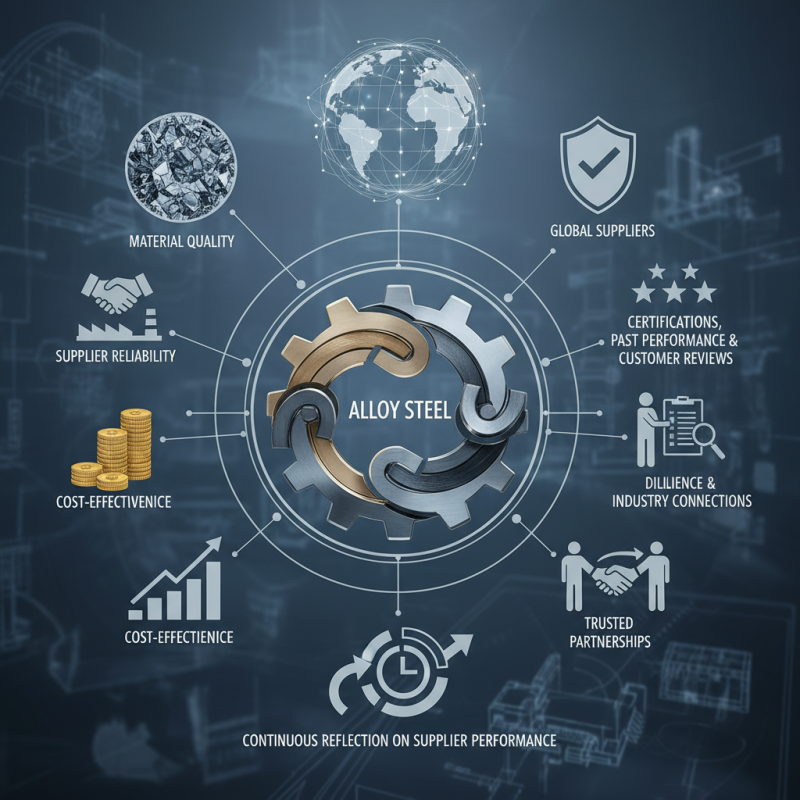
Navigating through global suppliers can be challenging. One must consider factors such as material quality, supplier reliability, and cost-effectiveness. Not all Alloy Steel is created equal. Many suppliers might offer subpar products, and distinguishing between them requires deep industry knowledge. Suppliers' certifications, past performance, and customer reviews become essential criteria for assessment.
Moreover, partnering with trusted suppliers can alleviate sourcing challenges. Engaging with industry experts may offer insights on sourcing strategies. However, it's also vital to remain skeptical. In a global market, claims can sometimes overshadow reality. Success in sourcing Alloy Steel often rests on diligence and industry connections. Continuous reflection on supplier performance is crucial for lasting partnerships.
Understanding Alloy Steel and Its Applications in Global Markets
Alloy steel plays a critical role in various industries due to its enhanced properties. It is a mixture of iron with other elements, improving strength, ductility, and corrosion resistance. Different applications include automotive, construction, and aerospace. According to a 2022 industry report, the global alloy steel market is projected to reach $214 billion by 2027, growing at a CAGR of 5.9%. This highlights its growing demand across multiple sectors.
To source alloy steel effectively, understanding its specifications is essential. For example, various grades like low-alloy and high-alloy steel are tailored for specific uses. Low-alloy steels often have good weldability and formability, which is beneficial for heavy machinery. In contrast, high-alloy steels contain higher amounts of chromium and nickel, making them suitable for demanding environments. Choose suppliers who offer detailed metallurgical testing to ensure quality and compliance.
Tip: Always verify the supplier's certifications. This ensures they meet industry standards and can deliver reliable products. Keep open communication for updates on steel grades. Understanding the nuances of alloy steel and communicating with suppliers will help you navigate sourcing challenges effectively.
How to Source Alloy Steel for Global Suppliers? - Understanding Alloy Steel and Its Applications in Global Markets
| Alloy Steel Grade |
Composition (%) |
Typical Applications |
Market Demand (Tonnes/Year) |
| AISI 4130 |
0.28-0.33 C, 0.8-1.1 Mn, 0.4-0.6 Si, 0.1 Mo |
Aerospace, Oil & Gas |
250000 |
| AISI 4140 |
0.38-0.43 C, 0.75-1.00 Mn, 0.15-0.25 Si, 0.8-1.1 Cr, 0.15-0.25 Mo |
Automotive, Machinery |
320000 |
| AISI 8620 |
0.18-0.23 C, 0.4-0.6 Mn, 0.2-0.4 Ni, 0.1-0.3 Cr |
Gears, Shafts |
150000 |
| AISI 4340 |
0.38-0.43 C, 1.5-2.0 Ni, 0.5-0.8 Cr, 0.2-0.3 Mo |
Heavy Machinery, Aerospace |
200000 |
| AISI 4130N |
0.28-0.33 C, 0.7-0.9 Mn, 0.2-0.4 Si, 0.15-0.25 Ni |
Automotive, Oil & Gas |
180000 |
Identifying Reliable Global Suppliers for Alloy Steel Sourcing
Finding reliable global suppliers for alloy steel requires a focused approach. The alloy steel market is vast and complex. According to a recent report by Grand View Research, the global alloy steel market size was valued at over $100 billion in 2022. This indicates a high demand for quality sourcing strategies.
When evaluating suppliers, consider their certifications and track records. Look for ISO 9001 certification, which ensures quality management. Additionally, understanding the geographical context can inform supplier reliability. Regions such as North America and Europe are known for strict quality control, while emerging markets may offer lower prices but with varying quality consistency.
Another crucial aspect is communication. Establishing clear channels and expectations is vital. A survey by Deloitte shows that 70% of procurement professionals emphasize communication as essential for successful sourcing. Nevertheless, not every supplier will meet these expectations. Monitor their performance and remain flexible to adapt your sourcing strategy. This ongoing evaluation will help ensure that you engage with suppliers who prioritize quality and can meet your specific needs.
Evaluating Quality Standards and Certifications for Alloy Steel Products
When sourcing alloy steel, understanding quality standards and certifications is crucial. Various organizations set benchmarks to ensure that products meet industry requirements. For example, certifications like ISO 9001 indicate that a manufacturer adheres to quality management principles. These standards can be complex and may differ across regions.
Evaluating the quality of alloy steel involves checking the chemical composition and mechanical properties. Buyers should seek material certifications, such as EN 10088 or ASTM specifications. These documents provide insights into the steel's maximum allowable limits for certain elements. It's vital to question suppliers about their quality control processes. Are they routinely inspected?
Additionally, product traceability is a must. Effective sourcing means being able to track the steel back to its origin. The documentation should be clear and accessible. However, awareness about potential discrepancies in certifications is important. Not all claims are verified, and some might not hold up under scrutiny. Engaging with suppliers and industry experts can help clarify these aspects, ensuring that the procurement process results in reliable, high-quality alloy steel.
Negotiating Prices and Terms with International Alloy Steel Suppliers
Negotiating with international alloy steel suppliers requires a careful approach. Understanding the supplier's market can create leverage. Researching current prices can provide a baseline for negotiations. Knowing the steel specifications needed is essential. This knowledge shapes discussions about quality and cost.
When discussing terms, flexibility can be an asset. Suppliers may have unique offers based on local conditions. Be prepared to explore different delivery options. Set clear expectations about timelines and payment terms. It's vital to listen actively to the supplier's concerns. This can reveal issues that might affect costs or delivery.
Language barriers can complicate discussions. Misunderstandings may arise if technical terms are not explained clearly. Using simple language or diagrams can bridge gaps. Trust plays a crucial role in negotiations. Building rapport can lead to better deals. However, be ready for setbacks and reassess your approach if needed. A successful negotiation is more than just a good price; it should foster a long-term relationship.
Global Alloy Steel Price Trends (2023)
This bar chart illustrates the average price trends of alloy steel over the four quarters of 2023. Prices show a consistent increase, reflecting global supply and demand shifts.
Establishing a Supply Chain Management Strategy for Alloy Steel Procurement
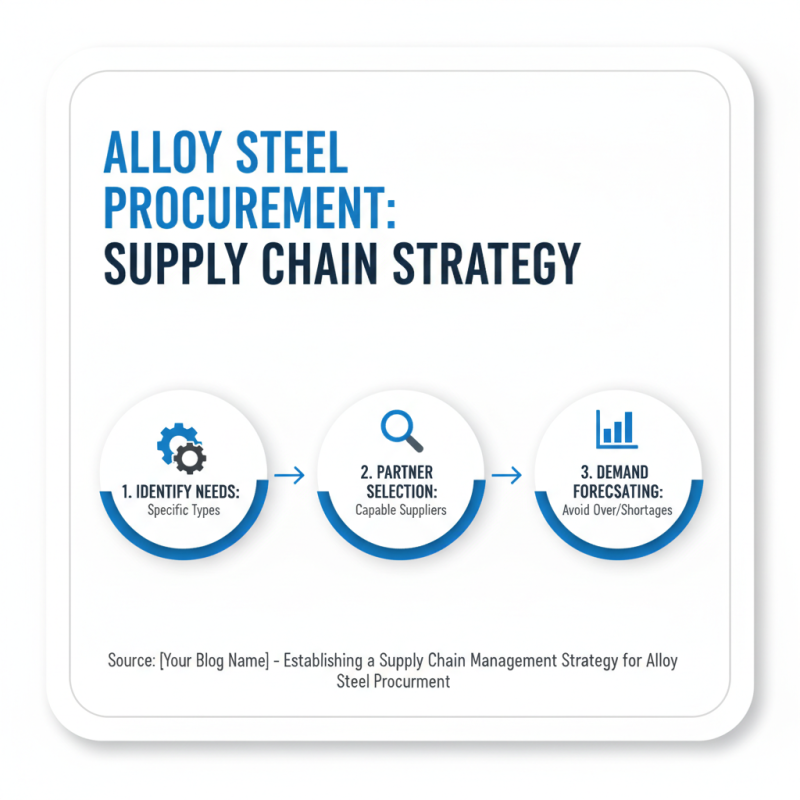
Establishing a supply chain management strategy for alloy steel procurement requires careful consideration. First, identify your needs. Understand the specific types of alloy steel required for your projects. This assessment ensures that you partner with suppliers who can meet your demands. Accurate forecasting of demand helps avoid overstocking or shortages.
Building relationships with suppliers is crucial. Engage in open discussions about quality standards and delivery timelines. Trust plays a significant role. Frequent communication can address potential issues early. Collaborating with suppliers also helps them understand your business better, which can lead to improved service.
Another point to reflect on is the importance of diversifying your supplier base. Relying on a single supplier can lead to risks, especially during global disruptions. Having multiple sources can mitigate risks. However, managing several suppliers requires more coordination. Striking this balance is essential. A well-thought-out strategy can create a resilient supply chain, ultimately supporting your company’s growth.