2026 Top Carbon Steel Flange Types for Global Buyers?
In the evolving landscape of industrial components, the demand for Carbon Steel Flanges continues to surge. The global market is projected to reach $4 billion by 2026, according to a recent report by Market Research Future. This growth is attributed to the increasing applications in oil and gas, and water supply industries. The robustness and cost-effectiveness of Carbon Steel Flanges make them a preferred choice among manufacturers and buyers.
John Smith, a renowned expert in flange manufacturing, emphasizes, “The precision in carbon steel flange production determines longevity and performance.” This assertion highlights the necessity for high-quality production standards in meeting the diverse needs of global buyers. Notably, various types and specifications of carbon steel flanges cater to different sectors, including ANSI, ASME, and API standards.
However, there are challenges within the industry. Inconsistent quality in raw materials can lead to varying flange performance. Manufacturers must remain vigilant against quality control lapses. As the industry progresses, focusing on innovation and sustainability in the production of Carbon Steel Flanges is imperative. Buyers and suppliers alike must adapt to remain competitive in this rapidly changing market.
Overview of Carbon Steel Flanges and Their Applications
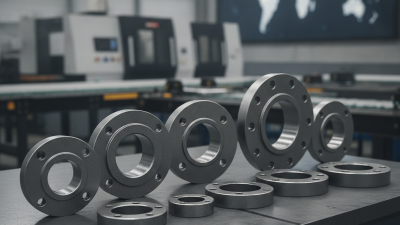
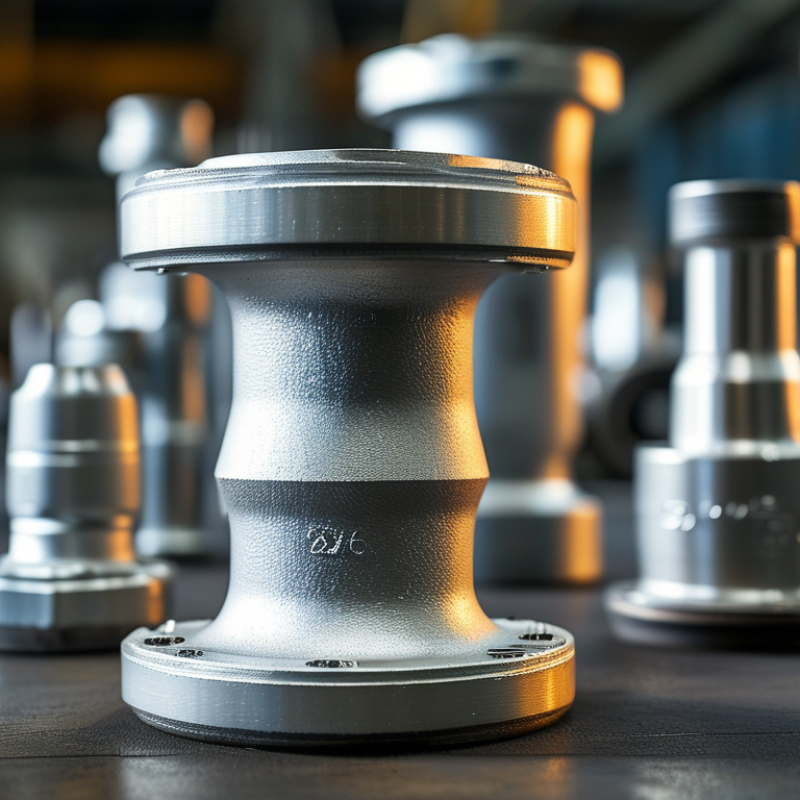
Carbon steel flanges play a vital role in various industrial applications. They provide the necessary connection points for pipes, valves, and fittings. Their robust nature makes them ideal for high-pressure situations. Carbon steel flanges can withstand aggressive environments, making them popular in industries like oil and gas. The durability and strength of these flanges ensure a reliable performance.
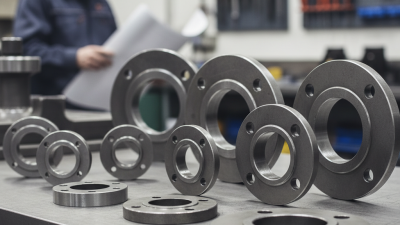
Different types of carbon steel flanges are tailored for specific applications. Weld neck flanges are often used in high-stress scenarios, while slip-on flanges offer ease during assembly. Blind flanges serve to close off piping systems, which is crucial in maintenance and operation. However, one must consider the potential for corrosion over time. Selecting the right type requires understanding environmental conditions and fluid types.
Knowledge about the grade of carbon steel is also essential. Different grades offer varying levels of strength and ductility. Buyers should reflect on the specific needs of their projects. Ensuring the right specifications is critical for long-term success. While carbon steel flanges are generally reliable, overlooking details can lead to failures.
2026 Top Carbon Steel Flange Types for Global Buyers
| Flange Type |
Standard |
Pressure Rating (ANSI Class) |
Nominal Diameter (inches) |
Material Grade |
Typical Application |
| Weld Neck Flange |
ASME B16.5 |
150, 300, 600 |
½ - 24 |
ASTM A105 |
Pipelines, pressure vessels |
| Slip-On Flange |
ASME B16.5 |
150, 300 |
½ - 24 |
ASTM A105 |
General piping systems |
| Blind Flange |
ASME B16.5 |
150, 300, 600 |
½ - 24 |
ASTM A105 |
End of pipelines |
| Threaded Flange |
ASME B16.5 |
150, 300 |
½ - 24 |
ASTM A105 |
Low-pressure applications |
| Socket Weld Flange |
ASME B16.5 |
150, 300, 600 |
½ - 24 |
ASTM A105 |
High-pressure systems |
Key Types of Carbon Steel Flanges Used in Global Industries
Carbon steel flanges are essential components in industrial piping systems. They connect pipes, valves, and other equipment, providing critical support to various applications. Understanding the different types of carbon steel flanges used worldwide is crucial for buyers in diverse industries.
Weld neck flanges are often preferred for their strength and reliability. They are designed for high pressure and consist of a long neck that allows for a smooth flow. Slip-on flanges are another popular choice due to their easy installation. However, they can be less durable under extreme conditions. Blind flanges, which seal off pipe ends, are vital in pressure systems where maintenance is frequent.
Despite their utility, buyers should be cautious about the quality of flanges. Some may not withstand extreme temperatures or corrosion. Inconsistent manufacturing processes can lead to failures. It is vital to assess suppliers thoroughly, ensuring compliance with industry standards. Knowledge and diligent research go a long way in securing reliable components for industrial applications.
Comparative Analysis of Flange Standards Worldwide
Flanges are critical components in various industries. Different standards exist globally, reflecting diverse needs and specifications. The American Society of Mechanical Engineers (ASME) and the International Organization for Standardization (ISO) set prominent standards. As of 2022, the global flange market reached approximately $15 billion, projected to grow significantly in the coming years.
ASME flanges often emphasize metals' strength and pressure ratings. In contrast, ISO standards focus on dimensional compatibility and material properties. Recent studies suggest that around 70% of industrial operations prefer flanges that conform to ISO standards due to their global acceptance. However, not all manufacturers adhere strictly to these standards, leading to potential inconsistencies. Reports indicate that 12% of flanges fail quality tests, highlighting the need for rigorous inspection and certification processes.
Some regions favor specific materials, such as carbon steel for high-pressure applications. In Europe, for instance, carbon steel flanges dominate in mechanical applications. However, there are discrepancies in quality. A survey revealed that 25% of users experienced issues related to flange integrity in projects. This reflects the importance of choosing reliable suppliers and understanding regional standards to ensure optimal performance in critical applications.
Factors Influencing the Selection of Carbon Steel Flanges
When selecting carbon steel flanges, various factors come into play. The type of application is critical. Different industries have unique requirements for pressure, temperature, and fluid types. For example, oil and gas industries often necessitate flanges that can withstand extreme conditions. According to a 2022 market report, the demand for carbon steel flanges in high-pressure applications grew by 15% last year.
Material specifications are also vital. Flanges must meet specific grades to ensure reliability and safety. The American Society for Testing and Materials (ASTM) standardizes these grades. A popular standard is ASTM A105, widely used for flanges in pipelines. Understanding these grades helps secure quality and longevity in field applications. Furthermore, cost-effectiveness plays a role in decision-making. Buyers often weigh initial costs against the lifetime value of flanges.
Corrosion resistance is another important consideration. Some environments may require additional coatings or treatments to prolong service life. According to research, over 50% of flange failures result from corrosion-related issues. Buyers should assess the service environment carefully. Employing guidelines from industry experts can enhance the selection process. Always seek professional insights to navigate complexities effectively.
Future Trends in Carbon Steel Flange Manufacturing and Usage
The future of carbon steel flange manufacturing is evolving rapidly. Advanced technologies, such as automation and AI, are becoming integral to production processes. These innovations aim to enhance precision and reduce waste. Manufacturers are embracing new techniques to optimize production efficiency. This shift could lead to significant cost savings and improved product consistency.
Sustainability is also reshaping the industry. Environmental concerns drive companies to adopt eco-friendly practices. Recyclable materials and energy-efficient processes are now priorities. However, balancing sustainability with cost-effectiveness remains a challenge. Many manufacturers are still figuring out how to implement these changes without sacrificing quality.
Market demands are shifting as well. Industries are seeking flanges that comply with stricter standards. This trend requires manufacturers to stay updated on regulations and quality benchmarks. Nonetheless, there are instances where companies overlook these essential adaptations. The gap between innovation and implementation can lead to missed opportunities in a competitive market.
2026 Top Carbon Steel Flange Types for Global Buyers