Choosing a dependable Copper Tube supplier can shape the quality, cost, and delivery performance of an entire project. Global buyers often compare more than product prices. They examine material standards, dimensional accuracy, pressure ratings, production capacity, certifications, packaging, and export experience. A tube that looks flawless in a sample box may still fail during bending, brazing, or long-distance transport. Small details matter.
This guide presents 10 Best Copper Tube Suppliers for Global Buyers and explains what makes each company worth considering. The evaluation focuses on manufacturing capability, product consistency, quality-control practices, communication, lead times, and international service. It also considers practical evidence, such as inspection reports, mill certificates, protective packaging, and responses to technical questions. These details can reveal how a supplier performs beyond polished marketing language.
No ranking can suit every buyer. A refrigeration contractor may need different specifications from a plumbing distributor or industrial equipment manufacturer. Prices can also change with copper markets, order volume, and delivery terms. Even reliable supplier information may require direct verification. Buyers should request current certificates, confirm tolerances, and test samples when the application is critical. That extra step feels slow. It can prevent expensive surprises later.
The following supplier overview is designed to support informed comparison. It does not replace technical due diligence. Instead, it offers a practical starting point for identifying capable partners, reducing sourcing risks, and building a more dependable global supply chain.
10 Best Copper Tube Suppliers for Global Buyers
What Defines a Leading Copper Tube Supplier for Global Buyers
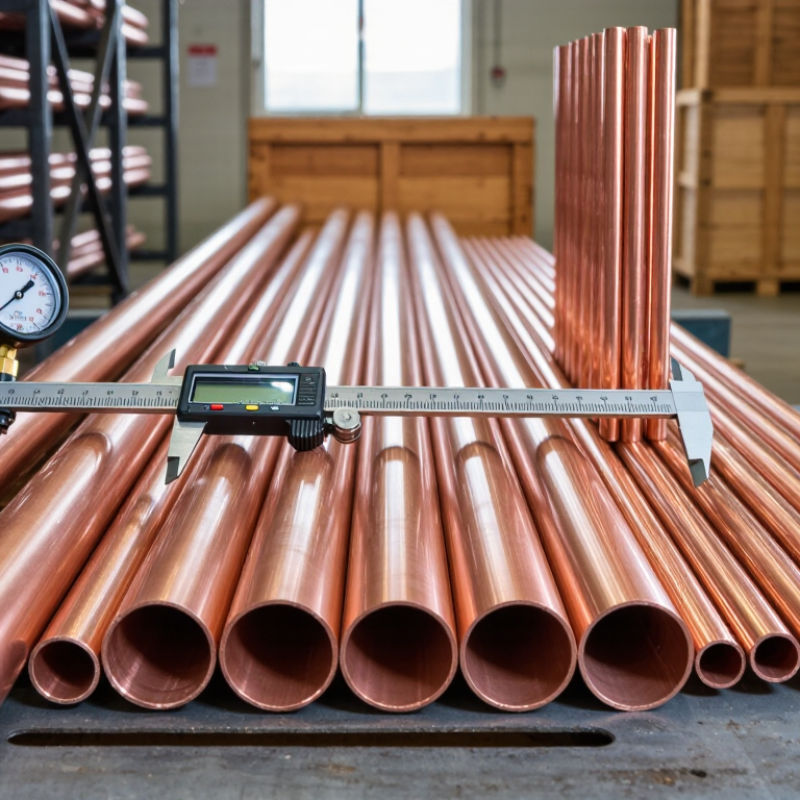
A leading copper tube supplier offers more than attractive pricing. It provides consistent dimensions, verified copper grades, and dependable production capacity. Experienced buyers should examine wall thickness, outer diameter, temper, and surface quality. Small variations can cause leaks, poor fittings, or costly installation delays. Reliable suppliers share mill test certificates and inspection records without hesitation. They should also explain applicable standards for plumbing, refrigeration, medical, or industrial use. Clear technical communication matters when specifications cross languages and time zones. No supplier is perfect, but responsible suppliers disclose limitations early.
Production experience is visible in practical details. Ask how the supplier controls annealing, cleaning, packaging, and moisture protection. Request sample tubes before approving large orders. Check whether batch numbers remain traceable from production to shipment. A strong export team provides realistic lead times and accurate shipping documents. It should also respond quickly when dimensions or packaging need adjustment. A polished catalog alone proves very little. I have found that quiet consistency often matters more than impressive claims.
Tips: Compare certificates with the actual product. Confirm tolerances in writing. Inspect packaging for dents, oxidation, and exposed tube ends. Discuss replacement procedures before payment. Keep records of samples, approvals, and communications. These habits reduce risk, although they cannot remove every uncertainty.
The ten suppliers differ most in product depth, standard control, and production capacity. Some focus on straight copper tubes for plumbing and refrigeration. Others offer coils, capillary tubes, heat-exchanger tubes, and custom lengths. Buyers should check copper grades, temper options, wall-thickness tolerance, and surface finish before comparing prices.
Standards & Quality Control Standards reveal operational discipline. Reliable suppliers provide mill test certificates, heat numbers, dimensional reports, and pressure-test records. Their products may follow ASTM, EN, BS, or other project-specific requirements. ISO 9001 registration helps, but it does not replace shipment-level inspection. Ask for recent sample documents. Details matter. A supplier should also explain how it handles nonconforming material, corrective actions, and traceability after packing.
Capacity & Export Readiness Capacity requires a closer review. Large factories may operate several drawing, annealing, and cutting lines, reducing delays during peak demand. Smaller suppliers can sometimes respond faster to unusual sizes. Request realistic monthly output, current lead times, minimum order quantities, and backup production plans. Export experience also matters, especially with moisture-proof wrapping, wooden cases, and clear coil labels. Public capacity figures can be optimistic. No ranking is perfect. A trial order, factory audit, and independent inspection often reveal more than a polished catalogue. My own purchasing reviews have shown that minor ovality or inconsistent labeling can create major installation problems, even when the quoted price looks attractive.
Global buyers need more than a low copper tube price. A capable supplier should show production records, material controls, and export experience. During supplier reviews, I look for mills with controlled drawing lines, reliable annealing furnaces, and clean packing areas. These details affect straightness, wall thickness, and surface quality. Small flaws become expensive during installation.
Strong suppliers usually offer several tube forms, including straight lengths, coils, capillary tubes, and insulated assemblies. Their manufacturing strength appears in measurable details: dimensional tolerance, tensile consistency, leak testing, and batch traceability. A serious supplier profile should explain equipment capacity without hiding behind broad claims. Ask for inspection reports, sample results, and clear tolerances. Certificates help, but they do not replace practical verification.
International reach is more than shipping to many countries. It includes responsive documentation, export packaging, stable lead times, and knowledge of local import requirements. Suppliers serving distant buyers should manage moisture protection, pallet strength, and customs paperwork carefully. Communication matters, especially when specifications change across time zones. I would not treat every published capacity figure as proof. Production may look impressive online, yet samples can reveal uneven surfaces or delayed replies. A staged order, independent inspection, and written quality agreement remain sensible safeguards for global copper tube sourcing.
Supplier Profiles, Manufacturing Strengths, and International Reach
The chart compares the number of widely referenced international standards associated with major copper tube application segments. The selected standards include ASTM B75, ASTM B88, ASTM B280, ASTM B819, EN 1057, EN 12735-1, EN 12449, EN 13348, JIS H3300, and AS/NZS 1571. Broader standard coverage generally indicates more specification options for global buyers.
10 Best Copper Tube Suppliers for Global Buyers
Comparing Prices, Certifications, Quality, and Delivery Performance
Choosing a copper tube supplier requires more than comparing the lowest quotation. In my purchasing experience, a cheap offer can hide higher freight, packaging, inspection, or customs costs. Compare the landed price per kilogram or meter, not only the factory price. Ask for clear payment terms and a written validity period.
Certifications reveal process discipline, but certificates need careful checking. Confirm ISO 9001 coverage, applicable ASTM or EN standards, and the certificate’s issuing body. Request mill test certificates for copper grade, chemical composition, tensile strength, and wall thickness. Batch numbers should match the shipping documents. Small errors happen. They deserve attention.
Quality checks should include outside diameter, ovality, surface cleanliness, and end protection. For refrigeration or medical applications, internal cleanliness may matter more than appearance. Request sample measurements before placing a large order. Delivery performance also deserves evidence. Review production lead time, packing photos, export experience, and on-time shipment records. Ask whether the supplier keeps safety stock for repeat orders. Incoterms must be stated clearly, because responsibility can change at the port. A supplier may promise fast delivery, yet provide weak updates after payment. That warning should not be ignored.iyanas
Choosing a copper tube supplier should begin with your application, not a sales quotation. Define the tube grade, outer diameter, wall thickness, temper, length, and surface finish. Record the working pressure and temperature. Small errors here can create large installation problems.
Request material certificates, dimensional reports, and test results for each production batch. Check chemical composition, tensile strength, elongation, and cleanliness. For HVAC or heat-exchanger use, ask how the supplier controls internal residue. Clean interiors matter. Do not accept vague claims.
Compare production capacity, tooling range, packaging, and realistic lead times. A supplier may promise fast delivery, yet lack stable annealing control. That risk is easy to miss. Ask for samples from normal production, not specially prepared pieces. Measure them independently when possible. An inspection agency can verify quantity, dimensions, markings, and packing before shipment.
Review export experience and communication habits. Clear drawings, responsive answers, and consistent documents often reveal operational discipline. Ask for references from buyers with similar tube specifications. Check whether the supplier can manage repeat orders without changing tolerances.
Price deserves careful attention, but it should not lead the decision. A cheaper tube may involve thinner walls, higher rejection rates, or poor protection during ocean transport. Compare the full landed cost, including testing, packaging, freight, and potential replacement. I would also leave room for uncertainty. Specifications can be incomplete, and factory documents can contain mistakes. A controlled trial order is safer than an immediate large commitment.