Top 10 Heat Exchanger Tube Types You Need to Know?
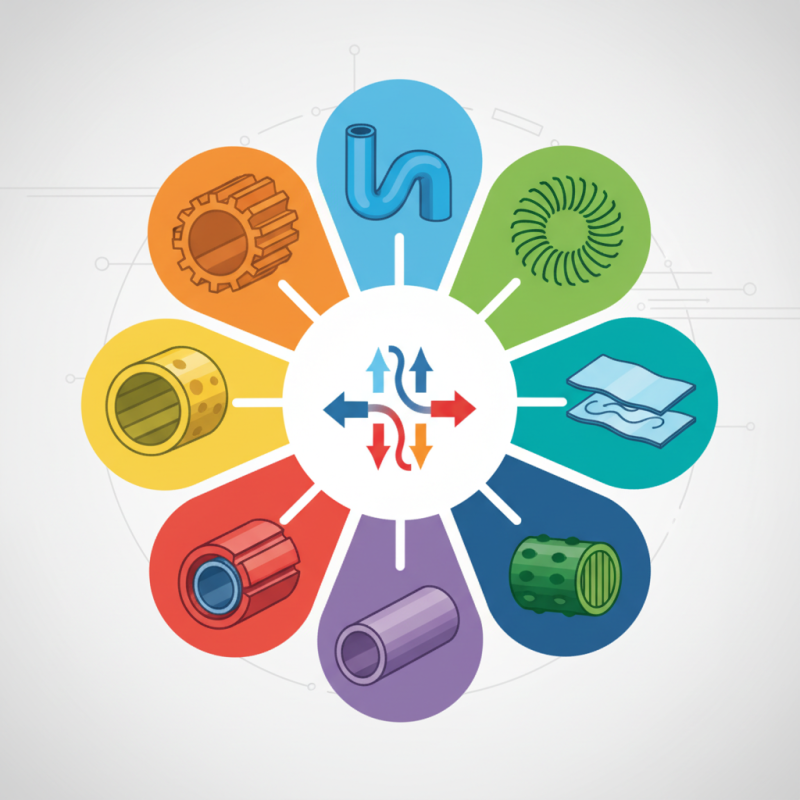
Heat exchanger tubes are crucial components in various industries. They facilitate heat transfer between fluids, maximizing efficiency in processes. Understanding the top heat exchanger tube types is vital for informed decisions in engineering and maintenance.
Different designs serve specific needs. Some tubes enhance heat transfer rates. Others focus on durability or ease of cleaning. Selecting the right tube type can impact system performance. However, many overlook these details, resulting in inefficiencies.
Industries like oil and gas, power generation, and HVAC rely heavily on these tubes. Each application demands careful consideration of materials and configurations. Recognizing the significance of heat exchanger tubes can lead to better designs and reduced operational costs. Yet, professionals often need reminders about the basics. A deeper understanding is always beneficial.
Types of Heat Exchanger Tubes: An Overview
Heat exchanger tubes play a crucial role in various industrial processes. They transfer heat efficiently between fluids. The design choices impact performance. Many industries rely on specialized tube types to meet their specific needs.
For instance, in oil refineries, carbon steel tubes are common due to their durability and cost-effectiveness. According to a recent report by the International Energy Agency, more than 50% of energy is lost as heat in processes, which underlines the need for efficient heat exchangers. Copper tubes are another option. They excel in thermal conductivity. Yet, they can be less resilient in corrosive environments.
Stainless steel tubes are increasingly popular for their resistance to corrosion. Their ability to handle high temperatures makes them desirable for power generation. However, the initial costs can be high. In contrast, titanium tubes are lightweight and strong but often more expensive. The trade-offs in material selection are an ongoing debate. Industries must balance performance, cost, and longevity when choosing the right tube type.
Key Features and Applications of Each Tube Type
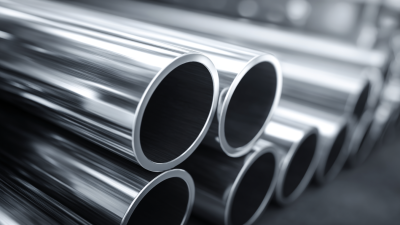
When exploring heat exchanger tube types, understanding their key features is essential. For instance, straight tubes are common due to their simple design and ease of cleaning. These tubes excel in conventional applications, but they may not be the best choice for heat transfer efficiency. It's worthwhile to consider other options.
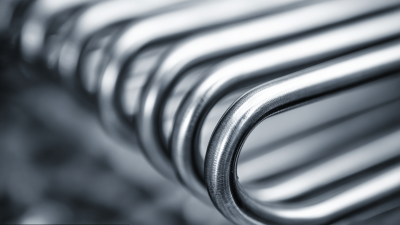
U-tubes, on the other hand, provide a compact solution. The shape allows for thermal expansion without stress. However, they can be challenging to clean effectively. In highly corrosive environments, finned tubes enhance heat transfer with their extended surface area. Yet, this added complexity may lead to higher maintenance costs.
Lastly, spiral tubes are notable for their unique flow paths. They maximize heat transfer and minimize pressure drop. However, installation can be tricky. Many engineers find themselves reflecting on whether the benefits truly outweigh the difficulties in setup. Each tube type has its advantages and drawbacks. Choosing the right one often requires careful consideration of specific project needs and conditions.
Advantages and Disadvantages of Common Tube Types
Heat exchangers are vital in many industries.
Tube types play a key role in their efficiency. Each tube type has distinct advantages and disadvantages, affecting performance and cost.
For instance, copper tubes excel with high thermal conductivity.
This material often ensures an efficient heat transfer. However, copper is more expensive compared to steel options.
The higher cost can be a significant drawback for budget-conscious projects.
Research indicates that projects using copper can see a 15% increase in initial expenses.
Stainless steel tubes are popular due to their corrosion resistance and durability.
They are suitable for high-pressure applications. Yet, their thermal conductivity is lower than that of copper.
This can lead to less efficient heat transfer. Studies show that systems using stainless steel may experience a 10% increase in energy costs over time.
Carbon steel tubes offer a cost-effective solution for many applications.
They are sturdy and widely used. However, they are prone to corrosion without proper maintenance.
This vulnerability can lead to increased replacement costs.
A report indicated that improper maintenance could double the life cycle costs for carbon steel systems.
Selecting the right tube type is a complex decision.
Each option carries its own risks and benefits.
Careful consideration of the application's specific needs is essential.
Factors Influencing Tube Selection for Heat Exchangers
When selecting heat exchanger tubes, several factors come into play. The intended application is crucial. Different industries have specific needs. For instance, power plants demand high durability. In contrast, food processing requires materials that resist corrosion. Understanding these requirements is essential in making the right choice.
Material selection is another significant factor. Common choices include stainless steel and copper. Each material has its strengths and weaknesses. Stainless steel offers excellent corrosion resistance but can be more expensive. Copper, while less durable, provides better thermal conductivity. This balance between cost and performance can be tricky.
Tube diameter and length are also critical. A larger diameter allows for more fluid flow. However, it can increase pressure drops. On the other hand, shorter tubes can offer better heat transfer efficiency. Engineers must evaluate the trade-offs carefully. These decisions aren’t always clear-cut; they require deep consideration and sometimes, trial and error.
Top 10 Heat Exchanger Tube Types You Need to Know
| Tube Type |
Material |
Diameter (mm) |
Heat Transfer Efficiency |
Common Applications |
| Smooth Tubes |
Copper |
12-25 |
High |
Oil & Gas, HVAC |
| Ribbed Tubes |
Aluminum |
25-50 |
Medium |
Chemical Processing |
| Finned Tubes |
Titanium |
10-30 |
Very High |
Power Generation |
| U-Tube |
Stainless Steel |
20-40 |
Moderate |
Water Heating |
| Ducted Tubes |
Carbon Steel |
15-35 |
Medium |
HVAC Systems |
| Coiled Tubes |
Copper-Nickel |
8-20 |
High |
Marine Applications |
| Staggered Tubes |
Brass |
18-32 |
Medium |
Refrigeration |
| Double Pipe |
PVC |
30-50 |
Low |
Minimal Heat Exchange |
| Spiral Tubes |
Synthetic Materials |
15-25 |
High |
Complex Systems |
| Microchannel Tubes |
Aluminum Alloys |
3-5 |
Very High |
High-Efficiency Heat Pumps |
Maintenance and Durability Considerations for Heat Exchanger Tubes
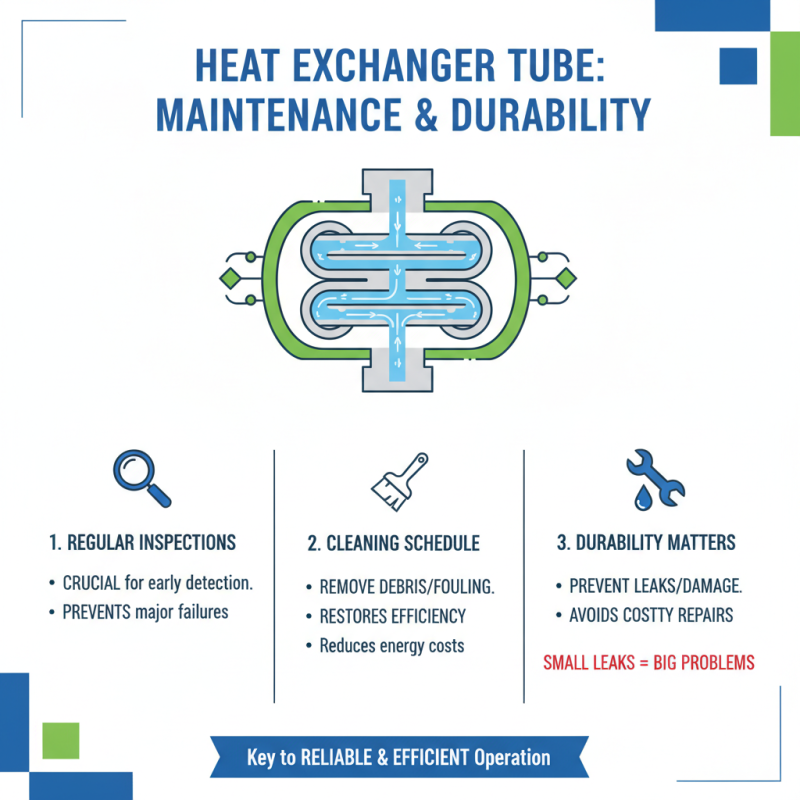
When considering heat exchanger tube maintenance, several factors come into play. Regular inspections are crucial. Over time, tubes can accumulate debris. This buildup affects efficiency. It's important to establish a cleaning schedule. Neglecting maintenance can lead to costly repairs. Even small leaks can have significant consequences.
Durability is equally vital. Different materials offer varied lifespans. For instance, some metals corrode faster than others. Selecting the right material impacts overall performance. Tube thickness is another aspect that should not be overlooked. Thinner tubes are easier to replace but may wear out faster. These choices can make or break your system's reliability.
Interestingly, not all designs are created equal. Some designs trap heat or reduce flow. This inefficiency can go unnoticed until it’s too late. Proper training for maintenance staff is essential. They should understand the specific needs of each tube type. Often, overlooked details turn into major issues. Regular reviews and adjustments can save time and resources later.