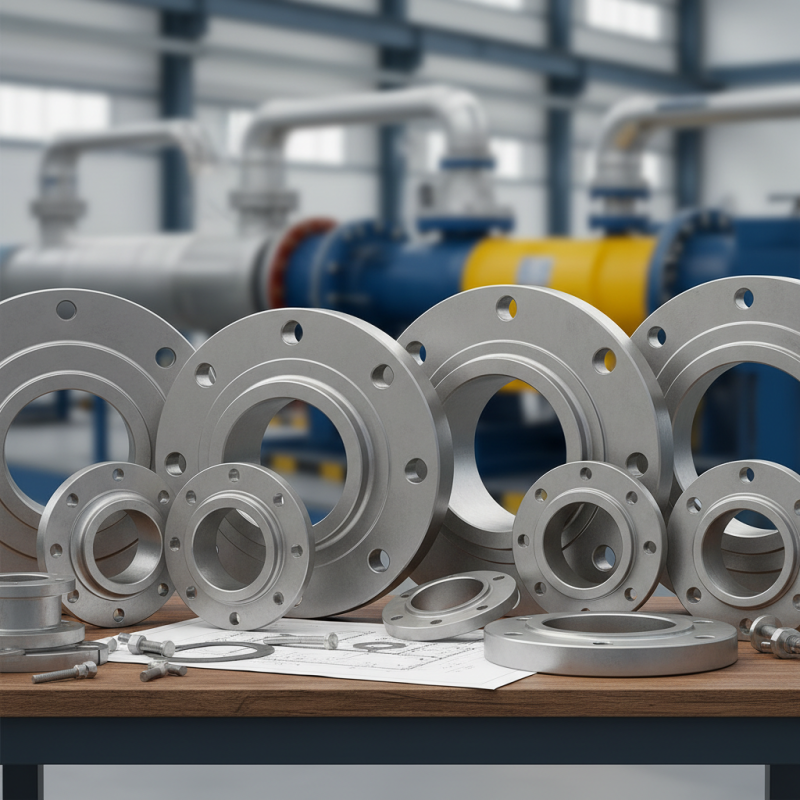
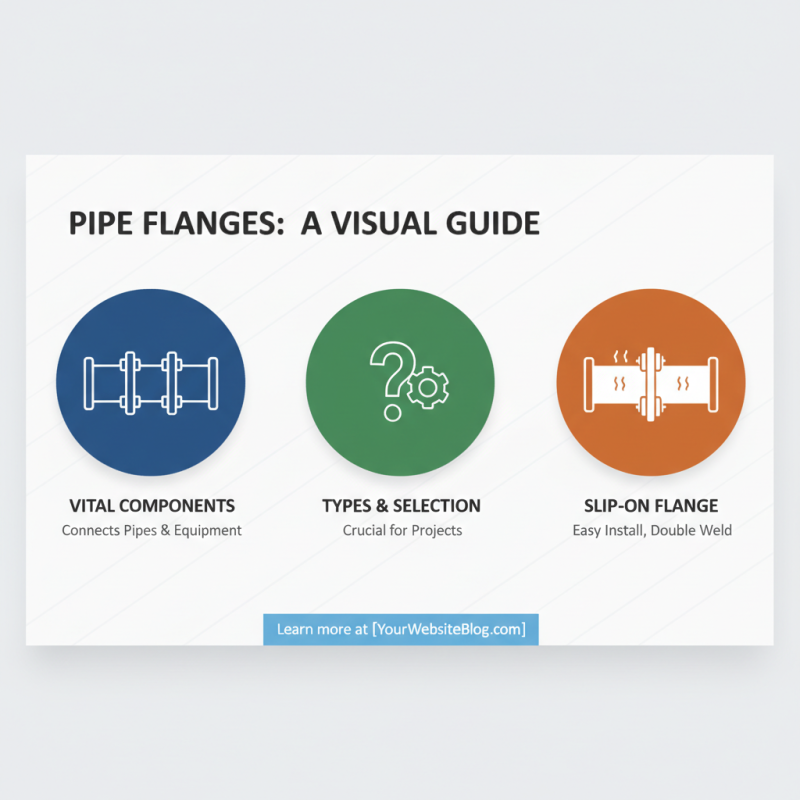
In the world of industrial applications, the significance of pipe flanges cannot be overstated. These components play a vital role in connecting pipes, facilitating easy assembly and disassembly. Understanding the various types of pipe flanges is essential for effective maintenance and installation.
Pipe flanges come in a variety of designs, each catering to specific needs and requirements. For example, the slip-on flange is straightforward, allowing for easy positioning. However, the raised face flange provides additional sealing surface, which is often necessary in high-pressure systems. Being aware of these nuances helps in making informed decisions.
Errors in flange selection can lead to costly repairs and downtime. Many overlook the importance of matching flange types with operational pressures. It's crucial to evaluate the unique characteristics of each flange type. Only then can one ensure a reliable and sustainable piping system. Engaging with these details can lead to better practices and improved outcomes in industrial settings.
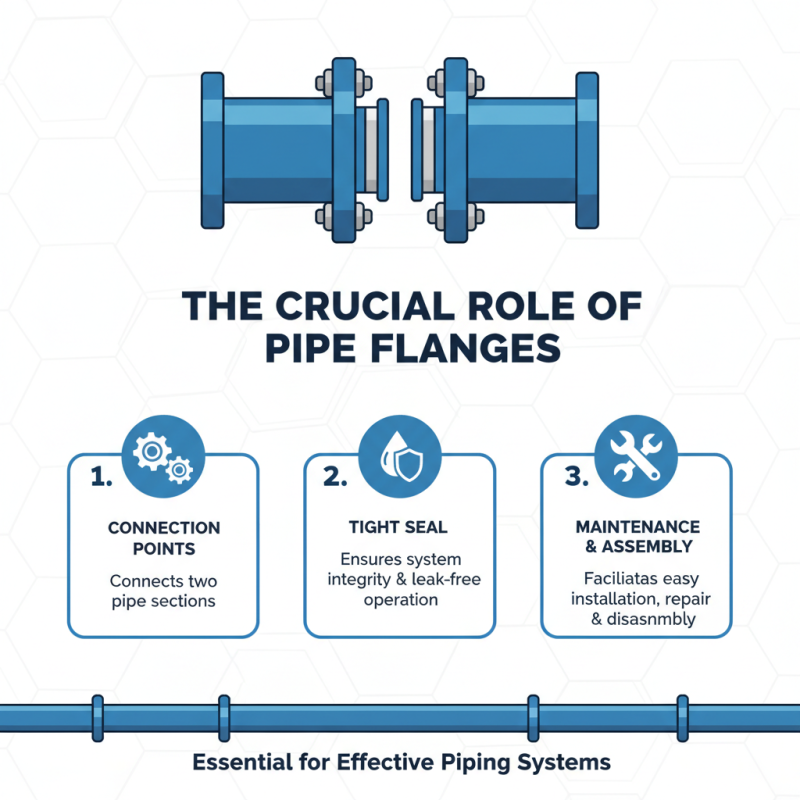
Pipe flanges play a crucial role in piping systems. They provide connection points between two pipe sections. This ensures a tight seal and maintains the integrity of the entire system. Flanges are essential for effective maintenance and ease of assembly or disassembly.
When considering pipe flanges, it's important to understand their types and uses. Each flange type has its own features. Some provide flexibility, while others offer durability. Choosing the right type can significantly impact system performance.
**Tips:** Ensure proper alignment when installing flanges. Misalignment can lead to leaks. Regular inspections can prevent costly repairs later. Pay attention to flange material compatibility. Mismatched materials can cause corrosion or failure.
Pipe flanges are vital components in various industries. They connect pipes, valves, and other fittings securely. Understanding different types of flanges is essential for selecting the right one for a project. A common type is the slip-on flange, which easily slides over the pipe. It is straightforward to install. However, it may require welding on both sides, which can be time-consuming.
Another popular option is the weld neck flange. This type has a long tapered neck. It provides a smooth flow of liquids and gases. The design helps reduce stress at the base. However, it can be more expensive and complicated to install. Users often overlook this, but it can lead to errors in fitting.
Blind flanges are crucial when sealing off a system. They provide a clean and tight seal. While they are simple in design, users must ensure proper alignment and support. Misalignments can cause leaks, which is a common oversight. Overall, knowing these basic types is key in making informed decisions in flange selection.

When exploring pipe flanges, it's essential to understand ANSI and ASME designs. ANSI flanges are known for their strength and versatility. They are used in various industries, primarily due to their standardized dimensions. ASME flanges, while similar, focus on pressure-temperature ratings. The differences can impact how systems are assembled in high-pressure environments.
Industry data reveals that approximately 70% of piping systems utilize ANSI and ASME flanges. This highlights their importance in ensuring safety and reliability. For example, a report by the American Society of Mechanical Engineers indicates that improper flange selection can lead to system failures. These failures can result in costly downtime for industries reliant on fluid transport.
Design-wise, gasket types play a critical role in sealing effectiveness. Spiral-wound gaskets are popular due to their adaptability, but they may not perform well under all conditions. Choosing the right gasket with the flange type is essential. Consider the operational environment. Temperature and pressure variations can challenge integrity. Some manufacturers indicate that up to 30% of leaks arise from improper gasket selection. This calls for careful consideration during the design phase.
Innovations in pipe flange technology are set to transform the industry in 2026. With the rising demand for energy-efficient solutions, companies are investing in advanced materials. New composite materials are not only lighter but also offer superior resistance to corrosion and high temperatures. Reports estimate a 15% increase in the market share of non-metallic flanges by 2026. This shift signifies a crucial trend that engineers must consider.
One important aspect to note is the integration of smart technology in flanges. Sensor-equipped flanges are emerging, providing real-time data on stress and fatigue. This data helps prevent catastrophic failures. However, the adoption rate is still low. It’s critical to weigh the costs versus benefits.
Tip: Regularly monitoring technology trends can help keep your projects aligned with industry standards.
As we look ahead, sustainability is at the forefront. Sustainable practices in flange manufacturing are gaining traction. More companies are striving to minimize their environmental footprint. However, some manufacturers still lag behind in implementing sustainable methods. This is a challenge that industry leaders must address.
Selecting the right pipe flange type is crucial for ensuring effective fluid transfer in piping systems. Factors such as pressure, temperature, and the type of fluid play a significant role. According to a report by the American Society of Mechanical Engineers, nearly 25% of pipeline failures are attributed to inadequate flange selection. This statistic highlights the importance of making informed choices.
When considering flanges, material compatibility is vital. For aggressive fluids, corrosion-resistant materials are essential. The selection must align with industry standards, such as ASME and ASTM designations. An incorrect choice here can lead to leaks or even catastrophic failures. A survey by the International Association of Pipe Flange Engineers indicated that 40% of professionals find material selection to be their biggest challenge.
Installation and maintenance also matter. Improperly installed flanges can wear out quicker. Regular inspections are necessary. A technical paper by the Pipeline Research Council recommended at least biannual checks for high-pressure systems. Ignoring this can lead to costly downtime. Professionals often overlook this. Proper attention to flanges can enhance overall system reliability significantly.
| Flange Type | Material | Pressure Rating | Applications |
|---|---|---|---|
| Weld Neck Flange | Carbon Steel, Stainless Steel | Class 150 - 2500 | High-Pressure Systems |
| Slip-On Flange | Carbon Steel, Alloy Steel | Class 150 - 600 | Low-Pressure Applications |
| Blind Flange | Carbon Steel, Stainless Steel | Class 150 - 2500 | Sealing Closed Ends |
| Socket Weld Flange | Stainless Steel, Alloy Steel | Class 150 - 3000 | High-Pressure Piping |
| Threaded Flange | Carbon Steel, Stainless Steel | Class 150 - 3000 | Low & Moderate Pressure |