How to Use Copper Nickel in Marine Applications?
In the marine industry, the use of Copper Nickel alloys has become increasingly important. Its unique properties make it ideal for environments exposed to seawater. John Smith, a renowned expert in marine metallurgy, once stated, "Copper Nickel is critical for preventing corrosion in marine applications." This emphasizes the significance of understanding how to properly utilize these alloys.
Copper Nickel offers excellent resistance to biofouling and corrosion, making it suitable for various applications, such as shipbuilding and piping systems. However, many engineers may overlook its specific requirements. This oversight can lead to performance issues in the long term. Careful selection and application of Copper Nickel are vital for ensuring durability and efficiency.
While the benefits are clear, the complexities involved in using Copper Nickel cannot be ignored. Proper welding techniques and compatibility with other materials are essential for success. It is crucial for professionals to continually educate themselves about these alloys. The evolving marine landscape demands a proactive approach to utilizing Copper Nickel effectively.
Understanding Copper Nickel Alloys and Their Properties
Copper nickel alloys are widely recognized for their unique properties, making them suitable for marine applications. These alloys contain copper and nickel, with small amounts of iron and manganese, enhancing corrosion resistance. Their excellent resistance to seawater corrosion prolongs the lifespan of marine equipment, especially in harsh environments.
Tips: Consider using copper nickel for components in direct contact with seawater. This can include pipes, valves, and fittings. The alloy’s ability to resist biofouling is another advantage, reducing maintenance costs significantly.
The strength-to-weight ratio of copper nickel is impressive. It allows for lighter structures without compromising durability. However, it’s essential to be aware that welding and machining require specific techniques. Not all standard practices will work effectively with these alloys. Testing the equipment regularly is advisable to ensure continued performance.
With properties like low thermal expansion and good weldability, copper nickel becomes a top choice. However, it is vital to consult with experts about alloy selection and application methods. Different marine environments can affect how these materials perform, so thorough research is crucial.
Benefits of Copper Nickel in Marine Environments
Copper Nickel alloys are increasingly chosen for marine applications due to their unique properties. They exhibit excellent resistance to corrosion in seawater. This feature is vital for longevity in harsh marine environments. Additionally, Copper Nickel's ability to withstand biofouling makes it effective in preventing marine life accumulation. This saves costs on maintenance and cleaning.
The mechanical strength of Copper Nickel is another considerable benefit. It performs well under stress and remains less prone to cracking. Its ductility allows for ease in fabrication, enabling various applications, from pipes to structural components. However, the cost of Copper Nickel can be higher than other metals. This presents a challenge for budget-conscious projects.
Despite its advantages, not all applications suit Copper Nickel. Its performance can vary based on the specific marine conditions it faces. Regular assessment and monitoring are essential to ensure that the material continues to meet project needs. Understanding these factors can lead to informed decisions in selecting materials for marine usage.
Common Marine Applications for Copper Nickel Alloys
Copper nickel alloys are widely used in marine applications due to their excellent resistance to corrosion and biofouling. In seawater environments, these alloys demonstrate remarkable durability. Research indicates that copper nickel can maintain integrity for over 30 years, even in harsh marine conditions. This longevity reduces the need for frequent replacements.
Common applications include piping systems, heat exchangers, and marine hardware. For instance, in shipbuilding, a significant portion of seawater piping systems employs copper nickel alloys. These pipes minimize corrosion and reduce maintenance costs significantly. The U.S. Navy and other maritime authorities often recommend these materials for seawater applications.
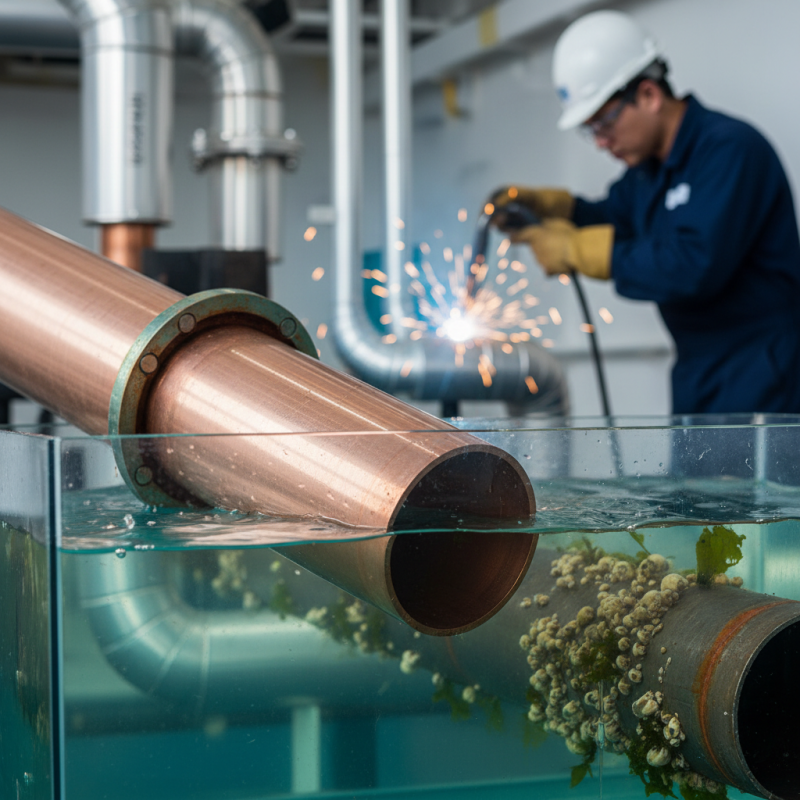
However, the fabrication process of copper nickel can be challenging. Proper welding techniques are essential, as poor practices may lead to weaknesses in joints. Engineers must be trained in these methods to avoid costly failures. This highlights the importance of expertise in selecting and working with materials for marine applications.
Marine Applications of Copper Nickel Alloys
Installation and Maintenance Best Practices for Copper Nickel
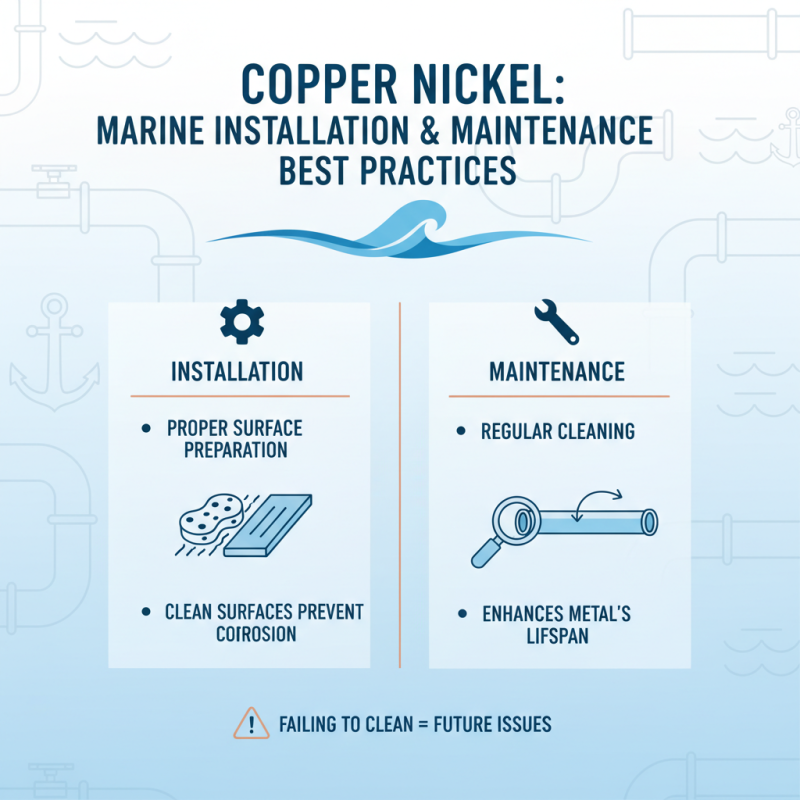
When using copper nickel in marine applications, proper installation and maintenance practices are crucial for optimal performance. One important step is ensuring proper surface preparation. Clean surfaces help prevent corrosion and enhance the metal's lifespan. Failing to clean adequately can lead to issues later.
During installation, attention to joint design is vital. Utilize appropriate methods, such as welding or brazing, to ensure strong connections. Inadequate techniques can result in leaks. Regular inspection of these joints is essential. Check for signs of corrosion or wear. This proactive approach helps in identifying potential failures early.
Maintenance is an ongoing process. Regularly flushing systems with fresh water can remove debris and prevent biofouling. Keep monitoring the system's environment. High salinity and extreme temperatures can affect copper nickel durability. Educating crews on the importance of these practices can lead to safer operations and longer-lasting materials. Each vessel presents unique challenges, making tailored maintenance plans important. Every detail matters.
Future Trends in Copper Nickel Usage in Marine Technology
Copper nickel alloys are gaining traction in marine technology. Their resistance to corrosion and biofouling makes them ideal for various applications. As shipbuilders and marine engineers look for sustainable materials, copper nickel offers the durability needed for challenging marine environments.
Future trends indicate a shift toward enhanced design capabilities with copper nickel. Innovations in welding techniques and alloy compositions might improve its applications in underwater structures. Additionally, the incorporation of copper nickel in ship hulls is projected to reduce maintenance costs significantly. These advancements focus on efficiency and sustainability, aligning with global environmental goals.
**Tips:** When choosing copper nickel for marine applications, consider the specific environmental factors your project will face. Pay attention to alloy grades and their mechanical properties. Regular assessments of performance can help in making informed decisions. Always stay informed about upcoming technologies that may improve longevity and functionality in marine settings.
How to Use Copper Nickel in Marine Applications? - Future Trends in Copper Nickel Usage in Marine Technology
| Application |
Properties |
Benefits |
Future Trends |
| Shipbuilding |
Corrosion resistant, high strength |
Longevity, reduced maintenance |
Increased usage in ship hull materials |
| Marine Equipment |
Excellent resistance to seawater |
Improved efficiency and reliability |
Smart technology integration |
| Pipelines |
Durable, anti-fouling |
Lower operational costs |
Adoption of advanced alloys |
| Naval Components |
Thermal conductivity, lightweight |
Enhanced performance |
Customized solutions for specific needs |