How to Use Copper Tube for Plumbing Projects and Repairs?
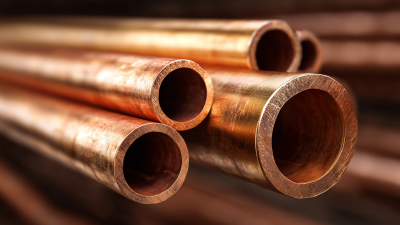
Copper tubing is a critical component in plumbing projects and repairs. Renowned plumbing expert John Smith once stated, "Copper tube remains the gold standard for plumbing due to its durability and reliability." This highlights the essential role that copper tubes play in ensuring a robust plumbing system.
Many homeowners might overlook the importance of selecting the right materials for plumbing. Copper tubes, with their impressive resistance to corrosion, are a smart choice. They are easy to work with and can be molded into various shapes for specific repairs. However, improper installation can lead to leaks and inefficiency.
When handling copper tubes, attention to detail is key. Each joint must be properly soldered to prevent future issues. While it can be tempting to rush through this process, taking the time to do it right pays off. Mistakes made during installation can lead to costly repairs later. Emphasizing quality and precision with copper tubing can save headaches in the long run.
Understanding the Basics of Copper Tubing in Plumbing
Copper tubing is a popular choice for plumbing projects. Its durability and resistance to corrosion make it ideal for water supply lines. Understanding the basics of copper tubing can help you in repairs and installations.
When using copper, remember to measure accurately. A small mistake can lead to leaks later on. Additionally, always clean the ends before connecting. A clean surface ensures a better seal and a long-lasting connection.
Tips for working with copper: Use a tubing cutter for a clean cut. It prevents deformation. If you’re soldering, ensure the surfaces are dry. Moisture can compromise the joint. Lastly, don’t rush the process. It can lead to mistakes and costly repairs. Working carefully pays off in the long run.
Choosing the Right Size and Type of Copper Tubing for Your Project
Choosing the right size and type of copper tubing is crucial for any plumbing project. Copper tubing comes in various types, like Type K, L, and M. Each type serves different applications. Type K is thicker and typically used for underground installations. Type L is standard for general plumbing. Type M, being thinner, is great for residential use but may not be as durable.
Once you know the type, focus on sizing. Copper tubing is measured by diameter. Common sizes include 1/2 inch, 3/4 inch, and 1 inch. Your choice depends on water flow and pressure needs. A larger diameter can improve water flow but may require more fittings. Consider space constraints as well. Smaller pipes can fit in tighter areas but may limit flow.
Sometimes, it's easy to overlook the details. Make sure you have proper fittings and solder. A mismatch can lead to leaks. Always consider whether you'll need additional tools for your project. Sometimes, taking the quick route can lead to future problems. Reflect on your choices to ensure a reliable plumbing system.
Tools and Materials Needed for Working with Copper Tubing
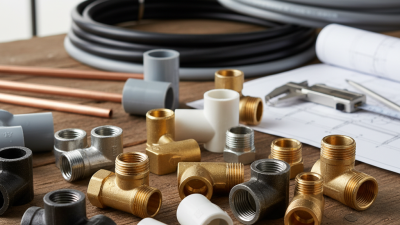
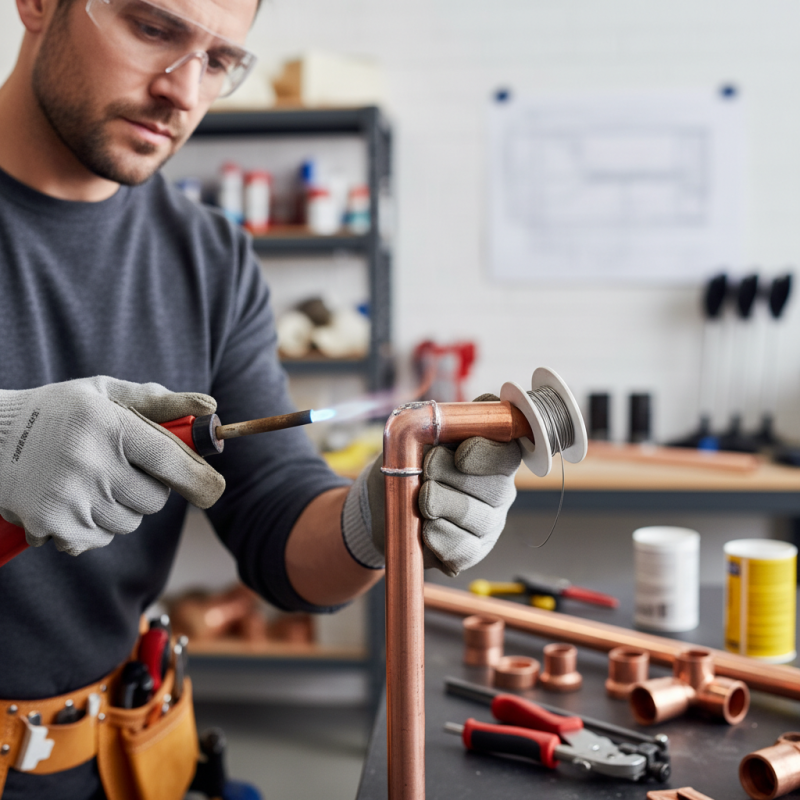
When tackling plumbing projects with copper tubing, having the right tools and materials is crucial. You'll need a pipe cutter to ensure clean, precise cuts. A deburring tool can help remove sharp edges from cut pipes, preventing leaks. A propane torch is essential for soldering connections securely. Don’t forget solder and flux; they help create strong bonds between copper joints.
Additionally, protective gear is vital. Safety goggles protect your eyes from debris and potential hot splashes. Gloves can prevent cuts and burns while handling copper tubing. Your workspace should be organized. Clutter can lead to accidents. Keep all tools within reach, yet out of the way. Sometimes, it’s easy to underestimate the setup process, but a well-prepared area can enhance efficiency.
Having spare materials is a good idea. You might misjudge the length of tubing required, leading to frustration. While working, take short breaks. It enhances focus and allows for critical thinking. Every project offers lessons, even mistakes. Each misstep is a chance to improve your technique and approach next time.
Step-by-Step Guide to Cutting and Shaping Copper Tubing
Cutting and shaping copper tubing is a crucial skill in plumbing. It involves precise techniques that can significantly impact the quality of your plumbing project. According to industry data, copper is favored for its durability and corrosion resistance. Studies show that over 80% of plumbers prefer copper tubing for water supply lines due to its long lifespan.
When cutting copper tubing, use a pipe cutter for clean edges. This tool provides better results than a hacksaw. A clean cut reduces the risk of leaks. Aim for a square cut. Aiming for precision matters. Deburring the edges is essential to avoid damage to fittings and ensure a tight seal. It's a common oversight; many neglect this step, leading to future regrets.
Shaping copper tubing can be tricky. You can use a tubing bender to make smooth bends. However, excessive force may crush the tubing. It’s crucial to practice before working on important projects. A recent survey indicated that about 30% of DIYers struggle with bending copper without kinks. Keep this in mind. Learning from mistakes is part of mastering the craft. With practice, you will improve and reduce mistakes over time.
Techniques for Soldering and Joining Copper Tubes in Plumbing Repairs
Soldering copper tubes is a vital skill in plumbing. Properly joining these tubes ensures a leak-free system. According to the Copper Development Association, approximately 90% of plumbing systems use copper due to its durability and reliability. Soldering techniques help create strong joints essential for long-lasting repairs.
To solder effectively, begin by cleaning the copper surfaces. Use a wire brush or emery cloth. This step may seem minor, but it’s crucial for achieving a solid bond. Heat the joint evenly with a torch until the solder flows smoothly. Many novice plumbers apply too much heat, risking damage to the pipe. Keep in mind, less is often more.
Another technique involves using fittings. Copper fittings provide a secure connection for two pipes. Make sure the fitting and pipe are dry before soldering. The gap must also be minimal; too wide of a gap can lead to weak joints. According to industry reports, poorly performed solder joints can account for 20% of plumbing issues. Taking the time to master these techniques can save money in the long run. Mistakes may happen, but learning from them is key in plumbing repairs.