Why Choose Alloy Pipe for Your Next Project?
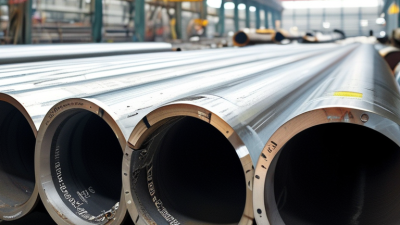
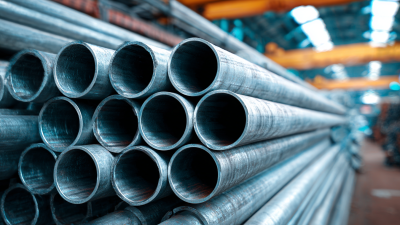
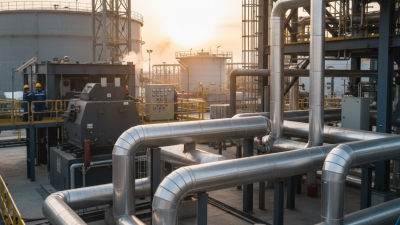
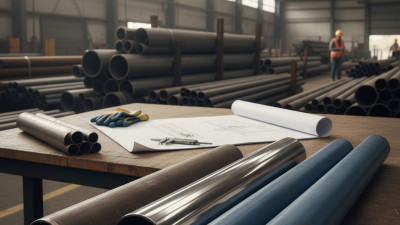
When selecting materials for construction, the choice of pipe can significantly impact the project’s success. Alloy Pipe stands out due to its unique characteristics, making it suitable for various applications. This type of pipe is known for its strength and resistance to corrosion. Such properties enhance the durability of structures and reduce maintenance costs.
Engineers often prefer Alloy Pipe for its versatility. It can withstand extreme temperatures and pressures, displaying impressive reliability. The use of Alloy Pipe can lead to a more efficient and robust infrastructure. However, it is vital to consider the specific demands of your project. Not all situations require the advanced features of Alloy Pipe.
While Alloy Pipe may offer benefits, its higher cost compared to standard pipes can be a drawback. Therefore, it is essential to weigh the long-term advantages against initial expenses. Ultimately, the decision to use Alloy Pipe should align with your project's needs and budget constraints. Reflection on these factors is crucial in ensuring the right choice is made.
Understanding Alloy Pipe Specifications and Grades
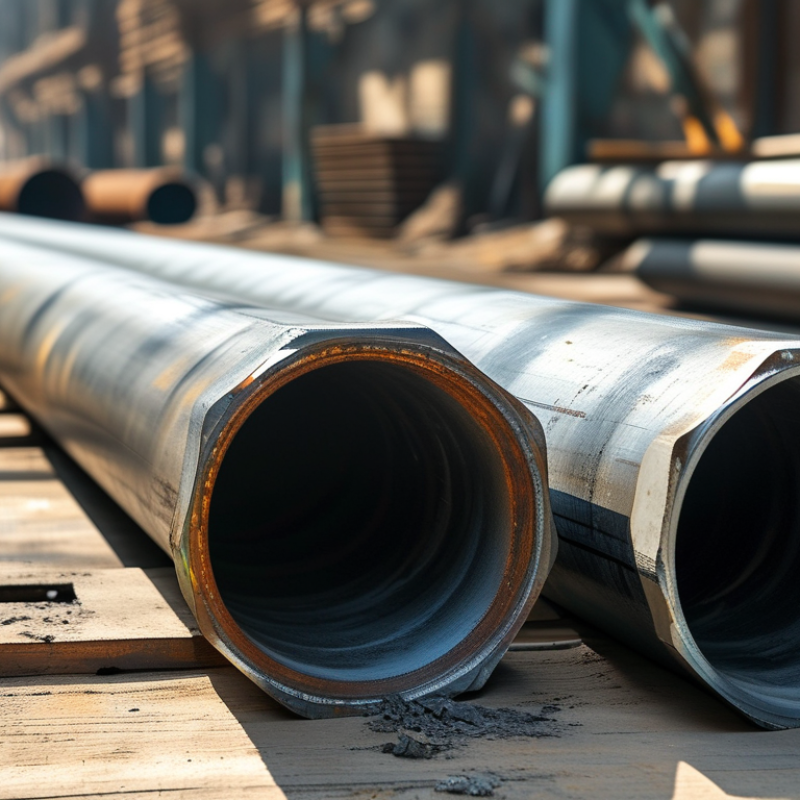
When considering alloy pipes, it's crucial to understand their specifications and grades. Alloy pipes consist of various materials, providing unique benefits for different applications. The most common grades include ASTM A335 and ASTM A352, known for their strength and durability. These grades define the chemical composition and physical properties of the pipes, ensuring they meet stringent industry standards.
For instance, ASTM A335 P11 is an alloy steel pipe that performs well in high-temperature environments. Its chromium-molybdenum content enhances hardness and resistance to corrosion. However, not all applications require such high-performance materials. Simple projects might benefit from lower grades, which offer cost-effectiveness without sacrificing essential qualities.
It’s important to recognize that choosing the right alloy pipe isn’t merely about specifications. Consider the project’s specific conditions and requirements. Think about the environment where the pipe will be installed. This includes factors like temperature, pressure, and exposure to corrosive substances. Reflecting on these aspects can lead to better decision-making and ultimately more successful project outcomes.
Alloy Pipe Specifications and Grades Comparison
This bar chart compares the tensile strength of various alloy pipe grades, highlighting their mechanical properties and suitability for different applications.
Advantages of Using Alloy Pipes in Construction and Industrial Applications
Alloy pipes are increasingly favored in construction and industrial applications. Their unique properties make them highly suitable for demanding environments. According to industry reports, alloy pipes can withstand extreme temperatures and pressures, making them ideal for various sectors, including oil and gas, aerospace, and power generation.
One significant advantage of alloy pipes is their resistance to corrosion. In a study by the American Society of Mechanical Engineers, it was noted that alloy pipes exhibited up to 40% higher resistance to corrosive substances compared to standard carbon steel. This not only enhances durability but also reduces maintenance costs over time. Choosing alloy pipes could lead to longer service life and lower lifecycle costs for projects.
Tip: Consider the specific environmental conditions your project will face. Assess factors like temperature, pressure, and the presence of corrosive materials. These elements will guide your decision on alloy pipe selection. The investment in quality materials could save a substantial amount in repairs.
While alloy pipes offer numerous benefits, it's essential to recognize the challenges. For example, high initial costs can deter some projects from utilizing them. Additionally, proper welding techniques are crucial, as improper installation may lead to failures.
Balancing these factors is key to maximizing the advantages of alloy pipes in construction and industrial settings.
Key Applications of Alloy Pipes in Various Industries
Alloy pipes are essential in various sectors due to their durability and versatility. In the oil and gas industry, they are widely used for transporting fluids. Their high resistance to corrosion makes them suitable for harsh environments. This durability ensures long-term operation and reduces maintenance costs.
In the automotive sector, alloy pipes play a crucial role in exhaust systems. They withstand high temperatures and pressures, maintaining efficiency. Their lightweight nature contributes to better fuel economy. There may be challenges in achieving the perfect balance between weight and strength, but advancements continue.
The construction industry also benefits from alloy pipes. They are used in structural components and water supply systems. The ability to mold them into different shapes adds to their appeal. However, sourcing high-quality materials is vital. Compromises in quality can lead to safety concerns, highlighting the importance of careful selection.
Comparing Alloy Pipes with Other Pipe Materials
Alloy pipes stand out when compared to other materials like PVC or carbon steel. These pipes exhibit superior strength and corrosion resistance. According to a recent report by the International Energy Agency, alloy pipes offer a durability advantage that can extend life by up to 50% in harsh environments. This makes them a top choice for industries such as oil, gas, and chemical manufacturing.
In terms of weight, alloy pipes are often lighter than similar steel pipes. This feature can result in lower shipping costs and easier handling during installation. However, the initial cost can be higher than traditional options. Many projects may hesitate to invest upfront. Yet, the long-term savings from fewer replacements and reduced maintenance justify the choice.
Another important factor is the versatility of alloy pipes. They can handle extreme temperatures and pressures. The Nickel Institute reports that these pipes can operate effectively in environments exceeding 1000°F. However, understanding the specific alloy composition is crucial. Not all alloys perform the same, so project managers need to evaluate their specific needs.
Maintenance and Durability Factors of Alloy Pipes
When considering materials for your next project, alloy pipes stand out due to their excellent maintenance and durability features. These pipes resist corrosion, making them ideal for harsh environments. Their strong composition allows them to withstand high pressure and temperature, crucial factors in industrial applications. Proper installation is essential to maximize their lifespan and performance.
Tip: Always inspect welding joints in alloy pipes. Poor welding can lead to leaks and failures, impacting project integrity. Regular maintenance schedules are a must. Even though alloy pipes are durable, routine checks can catch corrosion early, preventing costly repairs.
Another aspect to remember is the impact of thermal expansion. Alloy pipes expand and contract with temperature changes. Understanding this phenomenon can help avoid issues like joint stress. Choosing the right fittings, designed to accommodate thermal movement, can enhance durability.
Tip: Ensure that the environment around the pipes is monitored. Extreme conditions can affect performance unexpectedly. Monitoring helps maintain reliability over time, ensuring your project runs smoothly.