What Are the Benefits of Using Alloy Steel for Construction?
Alloy Steel has emerged as a prominent choice in the construction industry. Its unique properties make it suitable for various applications. This material combines iron with other elements, enhancing its strength and durability.
One key advantage of Alloy Steel is its resistance to corrosion. Structures built with this steel can withstand harsh environmental conditions. They require less maintenance, leading to long-term cost savings. Additionally, the use of Alloy Steel improves load-bearing capabilities. Engineers often prefer it for high-stress applications, such as bridges and tall buildings.
However, Alloy Steel is not without its challenges. The initial costs can be higher than other materials. Proper knowledge of its properties is crucial for optimal use. Construction teams must ensure they understand the nuances of Alloy Steel. This attention to detail can drive significant benefits in the long run. Overall, the value of Alloy Steel in construction is undeniable, but it requires thoughtful application.

Overview of Alloy Steel in Construction
Alloy steel is becoming a popular choice in construction. Its unique composition often includes elements like chromium, nickel, and molybdenum. These additions enhance properties such as strength, toughness, and resistance to wear. Builders appreciate its versatility, allowing for various structural applications.
In construction, alloy steel offers significant advantages. For instance, it can withstand extreme stresses and harsh environments. This durability makes it suitable for high-rise buildings and bridges. It also allows for lighter designs, as less material can achieve the same strength. However, alloy steel can be more expensive than regular steel. This cost issue can raise questions about budget allocations.
Another aspect to consider is weldability. While many alloy steels are weldable, some grades present challenges. Construction teams must choose the right type carefully. Missteps here can lead to structural weaknesses. Continuous learning and testing are crucial for effective use of alloy steel in projects.
Benefits of Alloy Steel in Construction
This chart illustrates the key benefits of using alloy steel in construction, highlighting its remarkable durability, corrosion resistance, strength, cost efficiency, and versatility. Each benefit is expressed as a percentage, indicating the relative importance of these factors in construction applications.
Mechanical Properties of Alloy Steel
Alloy steel is widely praised for its mechanical properties, which make it a preferred choice in construction. It exhibits enhanced strength, toughness, and hardness compared to standard carbon steel. This makes alloy steel ideal for high-stress environments, such as bridges and skyscrapers. Its ability to withstand extreme conditions helps ensure safety and longevity in structures.
One notable aspect is its versatility. Alloy steel can be tailored to meet specific needs by adjusting its composition. This results in various grades with diverse characteristics. However, achieving the perfect balance may require trial and error. Some projects may witness unexpected challenges, like issues with weldability or corrosion resistance. Such setbacks remind engineers to thoroughly test material properties before application.
Additionally, the availability of alloy steel in different forms—like bars, plates, and sheets—provides flexibility in design. Yet, the complexity of alloy compositions can be daunting. Proper understanding is crucial for successful implementation. Mistakes in selection can lead to structural vulnerabilities. The intricacies of alloy steel demand a careful, informed approach in construction projects to fully leverage its attributes.
Durability and Corrosion Resistance of Alloy Steel
Alloy steel is renowned for its impressive durability and superior corrosion resistance, making it an ideal choice for construction. According to the American Institute of Steel Construction, alloy steels can enhance strength up to 90,000 psi compared to traditional carbon steels. This strength translates to a longer lifespan for structures, reducing the need for frequent repairs.
Corrosion resistance is another critical factor. The Metallurgical Society reports that certain alloy steels can resist rust in harsh environments. For example, chromium and nickel additions improve oxidation resistance, which is crucial in coastal areas exposed to saltwater. However, these benefits come with trade-offs. Alloy steels can be more expensive and require careful welding practices. Inadequate welding can lead to weaknesses, undermining the advantages of using alloy steel.
Construction professionals must weigh the benefits against possible challenges. While alloy steel offers enhanced performance, issues like cost and fabrication complexity must be considered. Striking a balance between quality and practicality is essential for successful projects.
Cost-Effectiveness of Alloy Steel in Construction Projects
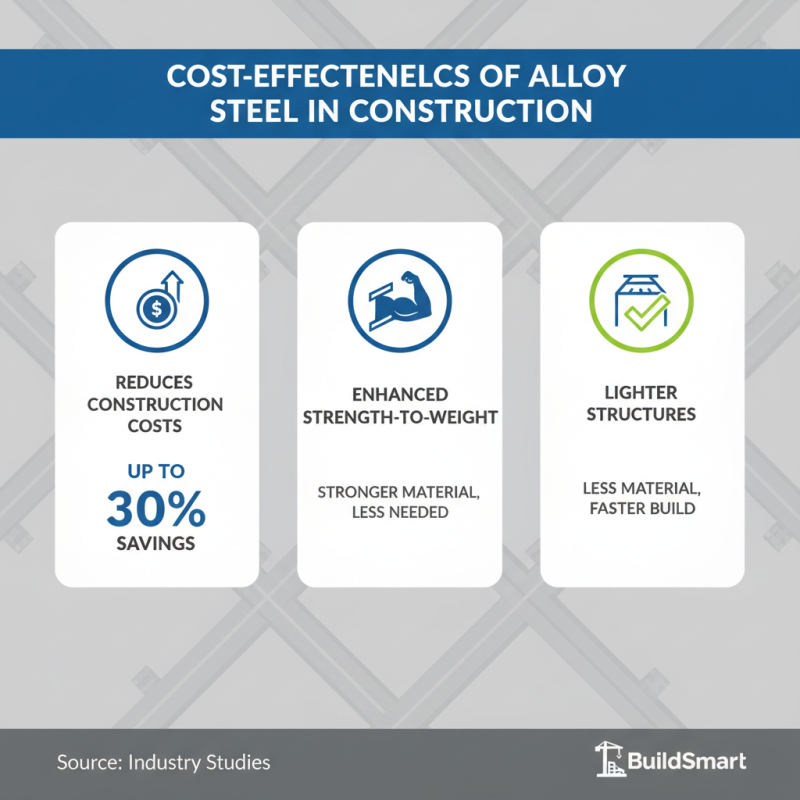
The cost-effectiveness of alloy steel in construction projects is noteworthy. According to industry studies, alloy steel can reduce construction costs by up to 30% compared to traditional materials. This savings arises from its enhanced strength-to-weight ratio. Stronger materials allow for lighter structures, reducing the amount of steel needed.
Another critical factor is durability. Reports show that alloy steel structures can last up to 50 years longer than conventional steel. This longevity decreases the frequency of replacements or repairs. However, initial costs can be higher. Engineers must evaluate the total lifecycle costs rather than upfront expenses.
Moreover, while alloy steel offers many benefits, its production can be energy-intensive. This steel type requires careful sourcing and production standards. Environmental impact considerations should be reflected in project planning. Addressing these challenges can lead to a more balanced approach to using alloy steel in construction.
Applications of Alloy Steel in Structural Engineering
Alloy steel plays a crucial role in structural engineering, offering unique properties that enhance construction projects. This type of steel combines various elements, such as chromium, nickel, and molybdenum, to improve strength, hardness, and resistance to wear and corrosion. According to a report by the American Institute of Steel Construction, structures made from alloy steel can be 20% lighter than those made from traditional steel, helping engineers design more efficient frameworks.
In multi-story buildings and bridges, alloy steel provides essential tensile strength. Its higher yield strength allows for thinner sections and reduced material usage. Studies indicate that using alloy steel in structural beams can increase load-bearing capacity by 30%. Furthermore, alloy steel’s resistance to extreme temperatures makes it suitable for demanding environments, such as high-rise buildings in earthquake-prone areas. Engineers frequently rely on these properties to meet strict safety standards, ensuring buildings withstand various stresses.
Nonetheless, the complexities and costs associated with alloy steel must be considered. The fabrication process can require specialized techniques and equipment. In addition, alloy steel can present challenges like weldability and brittleness in certain conditions. Addressing these issues is vital for maximizing the potential benefits. Awareness of these factors allows engineers to make informed decisions when employing alloy steel in their designs.