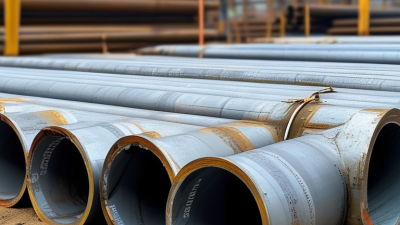
Top 10 Benefits of Using Carbon Steel Pipe for Your Business?
Carbon Steel Pipe has become a staple in various industries due to its remarkable properties. According to a report by the American Iron and Steel Institute (AISI), carbon steel pipes are preferred for their combination of strength and durability. These pipes can withstand high pressure and temperature, making them suitable for power plants and oil refineries.
In the construction sector, carbon steel pipes are widely used for plumbing and heating systems. Research indicates that they offer cost-effective solutions compared to alternatives like plastic or stainless steel. Their longevity can lead to reduced maintenance costs over time, which is a significant factor for businesses watching their budgets.
However, it's essential to recognize that not all carbon steel pipes are created equal. Different grades are available, and choosing the right one requires a good understanding of your specific needs. Companies sometimes overlook this detail, leading to potential performance issues. Ensuring you select the right grade can greatly enhance the effectiveness of your operations. Thus, understanding the ten benefits of using carbon steel pipe is crucial for any business looking to thrive.
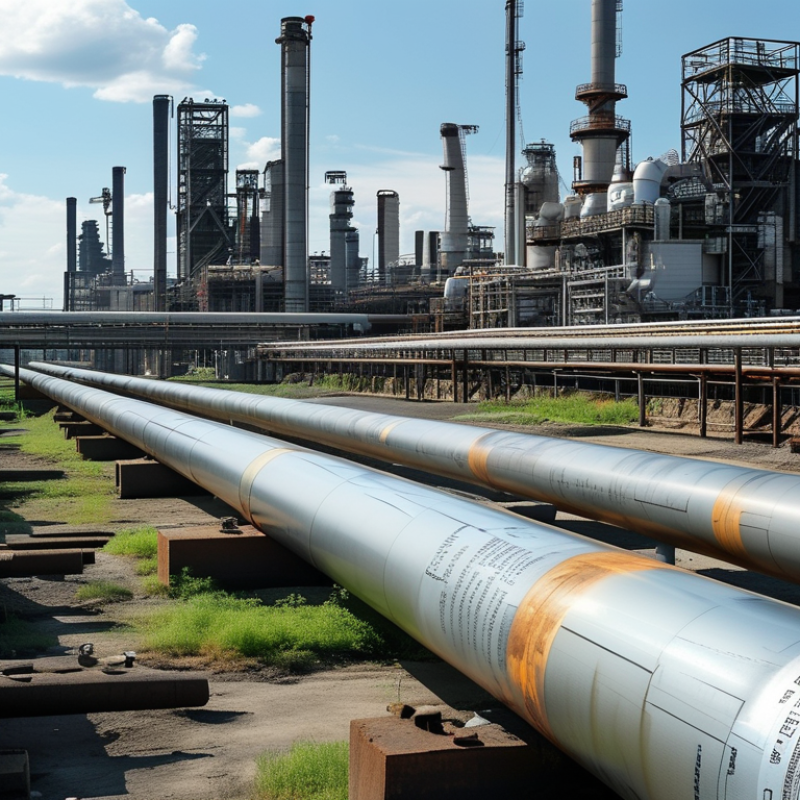
Key Characteristics of Carbon Steel Pipes for Industrial Applications
Carbon steel pipes are widely used in industrial applications due to their unique characteristics. These pipes are known for their strength and durability. They can withstand high pressures, making them ideal for transporting liquids and gases. The flexibility of carbon steel allows for easy installation, which is essential in busy industrial environments.
One key characteristic of carbon steel pipes is their resistance to corrosion. When properly treated, they can last for years without significant degradation. This longevity can reduce costs associated with maintenance and replacements. However, they are not immune to rust if exposed to moisture. Users must regularly inspect them to ensure their integrity.
In addition, carbon steel pipes are versatile. They can be used in various industries, such as construction and manufacturing. Different thicknesses and diameters are available based on specific needs. Yet, with this range comes the challenge of selecting the right type. Each application may require unique specifications, leading to potential confusion. Being well-informed about their properties is essential for making the right choice.
Cost-Effectiveness of Carbon Steel Pipes in Business Projects
Carbon steel pipes are increasingly favored in various industries due to their cost-effectiveness. Recent studies indicate that using carbon steel can reduce project costs by 20-50% when compared to other materials. This significant savings stems from the competitive pricing of carbon steel and its extensive availability. Projects that utilize these pipes often see fewer delays related to material procurement.
Moreover, carbon steel pipes boast excellent durability, which means lower maintenance costs over time. They can last for decades, reducing the frequency of replacements. According to the American Society for Testing and Materials (ASTM), carbon steel's tensile strength and resistance to high temperatures make it ideal for high-pressure applications. Still, it is crucial to assess the specific needs of each project. Some might argue that corrosion-resistant alternatives may be necessary in highly corrosive environments.
Yet, not all projects need such extensive durability features to remain cost-efficient. For many applications, the long lifespan and low upfront costs of carbon steel pipes outweigh the potential drawbacks. Companies should evaluate their unique requirements and market conditions to ensure optimal use of resources. Decisions regarding material selection must consider both immediate costs and long-term implications.
Durability and Longevity of Carbon Steel Pipes Compared to Alternatives
When considering materials for industrial projects, carbon steel pipes stand out for their durability and longevity. Compared to alternatives, carbon steel offers impressive strength and toughness. These pipes resist wear and stress better than plastic or other metals. This makes them suitable for high-pressure applications. They can endure harsh environments and are less prone to cracking.
A key benefit lies in their corrosion resistance when treated properly. Applying the right coatings can enhance durability. Regular maintenance can also prolong the life of carbon steel pipes. Neglecting corrosion can lead to leaks and costly repairs. Knowing how to care for these pipes is essential.
Proper installation is crucial for maximizing longevity. Ensure that joints and connections are secure and leak-proof. Regular inspections can help identify potential weaknesses early. Don't overlook the importance of quality fittings during assembly. Investing time in installation pays off later. By prioritizing these details, businesses can reap the full benefits of carbon steel pipes.
Versatility of Carbon Steel Pipes in Various Industries
Carbon steel pipes are valued across various industries for their unique versatility. In construction, they provide strength and durability. These pipes can support heavy loads and withstand environmental stressors. Their adaptability makes them ideal for structural frameworks and piping systems alike. In manufacturing, carbon steel is often favored for its weldability, making it easy to shape and join.
The oil and gas sector relies heavily on carbon steel pipes for transport. These pipes can handle high-pressure environments, ensuring the safe flow of materials. In the automotive industry, carbon steel is used in parts that require both rigidity and flexibility. This balance is critical in applications that experience constant movement.
However, there are challenges with carbon steel pipes. They can be prone to corrosion if not properly maintained. This issue necessitates regular inspections and appropriate protective measures. Despite this, with the right care, carbon steel pipes remain a reliable choice. Their impact across industries illustrates their crucial role in modern infrastructure and manufacturing processes.
Top 10 Benefits of Using Carbon Steel Pipe for Your Business
| Benefit |
Description |
Industry Application |
Cost Efficiency |
| Durability |
High resistance to wear and tear |
Construction, Oil & Gas |
Reduces replacement costs |
| Versatility |
Used in a wide range of applications |
Manufacturing, Construction |
Flexible usage across sectors |
| Strength |
High tensile strength and load capacity |
Automotive, Construction |
Minimizes material costs |
| Weldability |
Easily welded for complex constructions |
Fabrication, Oil & Gas |
Cuts down labor costs |
| Corrosion Resistance |
Can be treated for enhanced corrosion resistance |
Water Treatment, Oil & Gas |
Lowers maintenance expenses |
| Availability |
Widely available in different grades and sizes |
Construction, Manufacturing |
Streamlines procurement |
| Customization |
Can be customized for specific needs |
Engineering, Fabrication |
Meets unique project requirements |
| Recyclability |
Can be recycled and reused |
Construction, Manufacturing |
Eco-friendly option |
| Scalability |
Scales easily with project sizes |
Manufacturing, Utilities |
Adaptable to growing needs |
Environmental Sustainability Benefits of Using Carbon Steel Pipes
Carbon steel pipes offer significant environmental sustainability benefits. They are recyclable, reducing waste in landfills. Around 90% of carbon steel can be recycled into new products. This process consumes less energy compared to producing new steel. Companies can lower their carbon footprint significantly through recycling initiatives.
Moreover, carbon steel pipes have a long lifespan. They are durable and resistant to various environmental conditions. This durability reduces the need for frequent replacements, leading to less material waste over time. It is estimated that using carbon steel instead of alternatives can save a large amount of raw materials.
Another point to consider is their efficiency in energy consumption during production. The manufacturing process for carbon steel is less energy-intensive compared to other materials. This efficiency translates to lower greenhouse gas emissions. While carbon steel has many benefits, it still often relies on fossil fuels during production. Therefore, businesses must reflect on their entire supply chain for maximum sustainability.