Best Nickel Alloy Suppliers for Global Buyers Guide?
Nickel alloys are crucial materials in various industries, from aerospace to chemical processing. These alloys are known for their excellent resistance to corrosion and high-temperature strength. According to a recent report by Technavio, the global nickel alloy market is expected to grow by 4.2% annually until 2025. This growth reflects an increasing demand for advanced materials.
Dr. Emily Carter, a leading expert in material science, notes, “The versatility of nickel alloys makes them ideal for demanding applications.” Her insights highlight the significance of selecting the right suppliers in this competitive market. Buyers should focus on suppliers that demonstrate reliability and a deep understanding of nickel alloy properties.
Choosing a supplier can be challenging. There are numerous factors to consider, such as material specifications, delivery times, and customer service. Additionally, the variability in quality among suppliers may lead to unexpected issues. It’s essential for global buyers to carefully evaluate their options to ensure they meet industry standards and their specific needs.

Overview of Nickel Alloys and Their Applications
Nickel alloys are critical materials in various industries due to their unique properties. These alloys can withstand extreme temperatures and corrosive environments. They often contain elements like chromium and molybdenum, enhancing their strength and durability. Data from the United States Geological Survey indicates that nickel demand is projected to rise significantly, driven by sectors such as aerospace, automotive, and chemical processing.
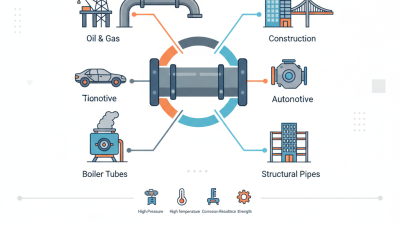
Applications of nickel alloys are diverse. In aerospace, they contribute to engine components, offering superior resistance to heat and stress. The architectural field utilizes nickel alloys for their corrosion resistance, especially in coastal areas. Reports suggest that nuclear power plants increasingly rely on these materials for structural integrity under harsh conditions. While benefits are clear, challenges remain. The high cost of nickel and fluctuating market prices can impact availability.
Quality control is essential in the production of nickel alloys. Variations in composition can lead to performance issues. The importance of sourcing from reputable suppliers cannot be overstated. Buyers must assess the supplier’s expertise and reliability to ensure optimal performance. As industries evolve, so does the need for advancements in nickel alloy technology, highlighting an area that requires continuous reflection and improvement.
Nickel Alloy Applications Overview
Key Factors in Selecting Nickel Alloy Suppliers
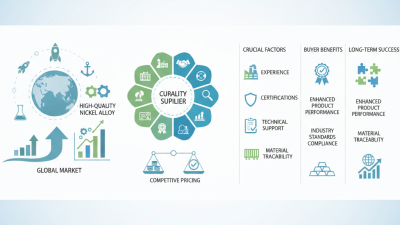
When selecting nickel alloy suppliers, several key factors should be considered to ensure high-quality materials and reliable service. Expertise in nickel alloys is crucial for suppliers. A knowledgeable supplier can provide insights on corrosion resistance, heat resistance, and specific applications. Their understanding of industry standards makes a significant difference in product quality.
It's also essential to evaluate the supplier's production capabilities. Check if they have advanced manufacturing processes and quality control measures in place. Regular certifications and audits are indicators of reliability. Don’t hesitate to ask for references from their previous clients; real feedback can offer valuable insights into their performance.
Tips: Prioritize suppliers that can demonstrate a solid track record in your specific industry. Compare quotes and lead times from multiple suppliers. This can prevent overreliance on a single source and gives leverage in negotiations. Remember, the best supplier might not always be the cheapest option. Quality often comes with a price, so weigh your options carefully, considering long-term value over short-term savings.
Top Nickel Alloy Suppliers by Region for Global Buyers
When sourcing nickel alloys, understanding regional suppliers is crucial. Different regions specialize in various aspects of nickel alloy production. North America often offers robust research and development. This leads to innovative solutions and strong quality control. Meanwhile, Europe is known for its advanced metallurgy and stringent regulatory standards. Their suppliers often focus on high-performance alloys for specialized industries.
In Asia, particularly in China, production is vast and cost-effective. However, challenges may arise in quality consistency and certification. Local suppliers can be a mixed bag. Buyers should conduct thorough due diligence. Many manufacturers in this region could improve transparency in sourcing and production practices.
In South America, the market is emerging. Suppliers may provide unique alloys suited for local mining and energy sectors. However, experienced buyers must navigate potential communication barriers. Engaging with regional experts can bridge these gaps. Understanding the strengths and weaknesses of suppliers across regions is vital for making informed purchasing decisions in the nickel alloy market.
Evaluation Criteria for Choosing Reliable Nickel Alloy Suppliers
When selecting reliable nickel alloy suppliers, there are several critical factors to consider. First, verify their experience in the industry. Suppliers with a strong history often have better processes and quality control. Look for companies that have been operating for years. Fresh players might lack the depth of knowledge necessary for complex projects.
Quality certifications are essential. A supplier's adherence to international standards reflects their commitment to excellence. It ensures their products meet stringent requirements. Check for certifications like ISO or ASTM compliance. These indicators can significantly elevate trustworthiness.
Communication is another key element. Suppliers should respond promptly to inquiries and provide clear information. A responsive supplier is likely to be more reliable during emergencies. Trust your instincts when evaluating their communication style. Lastly, consider customer reviews and testimonials. They offer insights into previous clients' experiences. However, look beyond the overall ratings. Individual comments might reveal recurring issues or notable strengths.
Latest Trends in Nickel Alloy Supply Chain Management
The supply chain management of nickel alloys is evolving rapidly. Companies are focusing on transparency and sustainability. This shift is partly driven by consumer demand for responsible sourcing. Buyers are increasingly prioritizing ethical practices in their purchasing decisions.
Tip: Engage with suppliers who prioritize sustainability. Check their commitment to responsible sourcing. This can enhance your brand's reputation.
Another trend is the rise of digital technologies in the supply chain. Automated systems streamline operations and improve efficiency. Real-time data analytics help buyers make informed decisions. However, reliance on technology also comes with challenges. Data security and system failures can lead to disruptions.
Tip: Invest in cybersecurity measures. Protect sensitive information to avoid potential breaches.
Lastly, global market fluctuations impact nickel alloy pricing. Buyers must remain agile and adaptable to changing conditions. Market volatility can affect procurement strategies significantly. The ability to pivot in response to these changes is crucial for maintaining a competitive edge.