10 Best Stainless Steel Flange Suppliers in 2026
Choosing the right Stainless Steel Flange supplier in 2026 requires more than comparing prices. Buyers must examine material quality, manufacturing control, documentation, and delivery performance. A polished website is not proof of reliable production.
This guide reviews ten suppliers serving industrial, commercial, and process engineering markets. The evaluation considers stainless steel grades, flange dimensions, pressure ratings, and compatibility with standards such as ASME, ASTM, and EN. It also examines practical evidence, including mill certificates, positive material identification, inspection reports, and traceability records. Small details matter. A heat number on a certificate should match the marking on the flange.
Experienced procurement teams also assess response times, machining accuracy, packaging, and after-sales support. A flange may meet a drawing yet fail during installation if its facing, bolt-hole pattern, or surface finish is incorrect. Suppliers with testing capabilities and clear quality procedures deserve closer attention.
Still, no supplier is perfect. Product ranges change, lead times fluctuate, and regional performance may differ. This review should support due diligence, not replace it. Request current certificates, confirm technical requirements, and verify production capacity before placing a large order. That step is often overlooked.
The selected companies are compared through a practical, evidence-based lens. Their strengths, limitations, industries served, and typical applications are discussed clearly. Readers can then identify suitable options for pipelines, pressure vessels, chemical processing, food equipment, and energy projects. Quality comes first. Cost follows.
What Makes a Reliable Stainless Steel Flange Supplier in 2026
A reliable stainless steel flange supplier in 2026 must prove more than low pricing. World Stainless reported approximately 58.4 million tonnes of stainless steel production in 2023. That scale increases material choices, but it also makes traceability more important. A dependable supplier should provide heat numbers, mill certificates, chemical analysis, and mechanical test results for every shipment. These records should match the flange marking and purchase specification.
Quality control must follow recognized requirements, including ASTM A182, ASME B16.5, or EN 1092-1, where applicable. The supplier should explain pressure ratings, dimensions, surface finish, and corrosion resistance without vague promises. Independent inspection reports add confidence. So does a documented nonconformance process. The International Organization for Standardization recorded more than one million ISO 9001 certificates worldwide in its 2023 survey, yet certification alone does not guarantee careful flange production. Ask for recent audit evidence.
Delivery reliability deserves equal attention. UNCTAD’s Review of Maritime Transport 2024 described continued disruption risks across global shipping routes. A capable supplier therefore maintains realistic lead times, alternate raw-material sources, and protective packaging. Stainless flanges should arrive with clean sealing faces, dry surfaces, and undamaged threads. I have found small packaging failures surprisingly costly. No supplier is flawless. However, a supplier that admits limitations, reports deviations quickly, and supports corrective action is easier to trust than one offering perfect claims. Cyclic audits and sample testing remain necessary.
10 Best Stainless Steel Flange Suppliers in 2026 — What Makes a Reliable Stainless Steel Flange Supplier in 2026
Reliable stainless steel flange suppliers should clearly document material chemistry and comply with recognized standards. This chart compares the minimum chromium and nickel content commonly specified for forged stainless steel grades under ASTM A182, with composition requirements aligned with the corresponding stainless steel specifications.
Key Criteria for Evaluating Stainless Steel Flange Manufacturers
Choosing among the 10 Best Stainless Steel Flange Suppliers in 2026 requires more than comparing prices. The International Stainless Steel Forum reported global stainless steel production of about 58.4 million tonnes in 2023. That scale suggests strong material availability, but it does not guarantee flange quality. Experienced buyers should verify the exact grade, heat number, chemical composition, and mechanical test results. Positive Material Identification should be available for critical orders. Ask for mill certificates, dimensional inspection records, and pressure-test evidence. A polished certificate is not proof by itself.
Technical control matters at every stage. Check compliance with applicable ASME, ASTM, and EN requirements, including pressure ratings, facing dimensions, wall thickness, and temperature limits. Suppliers should explain how they control welding, machining, surface finishing, and corrosion risks. The International Organization for Standardization reported that more than one million organizations held ISO 9001 certification worldwide in 2023. Certification is useful, but audit scope and recent corrective actions deserve closer attention. Request sample inspection reports, traceability procedures, and documented nonconformance handling. Small details matter.
Delivery data also reveals operational maturity. Review quoted lead times against historical performance, not promises. Examine packaging methods, especially protection for raised faces and bolt holes. I still treat an unusually low quote as a question, not a bargain. Some evaluations overemphasize certificates and undercheck warehouse discipline. That mistake is easy to make. A dependable manufacturer combines verified metallurgy, repeatable dimensions, transparent records, and realistic delivery commitments.
Profiles of the 10 Best Stainless Steel Flange Suppliers
The 10 best stainless steel flange suppliers in 2026 should be judged by traceability, machining control, and application experience. The World Stainless Association reported global crude stainless production above 58 million tonnes in 2023, showing a broad industrial supply base. ASTM A182 and ASME B16.5 remain practical reference points for forged flanges, dimensions, pressure classes, and material verification.
A mill-integrated supplier offers heat certificates and stable chemistry control. A forging specialist provides strong grain flow for high-pressure service. A precision-machining supplier suits tight bolt-hole tolerances. A project supplier manages drawings, inspections, and delivery schedules. A corrosion-focused supplier supports seawater and chemical applications.
A nuclear-grade supplier emphasizes documentation and repeated audits. A food-processing supplier provides smoother finishes and cleaner packaging. An energy-sector supplier handles large diameters and demanding welding procedures. A stockholding supplier reduces emergency lead times. A custom supplier develops unusual dimensions, but tooling costs require careful review.
These profiles reflect practical buying experience, not only catalogue claims. IMARC’s stainless steel market analysis identifies construction, process equipment, and energy as major demand areas. Ask each supplier for PMI records, tensile results, dimensional reports, and coating or surface-finish details. Check whether certificates match the actual heat number. Small discrepancies matter. Delivery promises can also sound better than reality. One overlooked issue remains packaging: exposed flange faces may collect moisture, dust, or impact marks during transport. Supplier rankings should therefore combine technical evidence, inspection history, responsive communication, and verified customer references.
Comparing Product Quality, Standards, Pricing, and Delivery
Choosing among the 10 best stainless steel flange suppliers in 2026 requires more than comparing catalog prices. Real quality begins with traceable material certificates, controlled forging, and clean machining. Ask whether each flange matches ASTM, ASME, EN, or project-specific requirements. Looks can mislead. Experienced buyers inspect dimensions, pressure ratings, heat numbers, and gasket-facing finish. They also verify inspection reports through an independent quality team when the application is critical.
Pricing should be read beside total purchasing cost, not viewed alone. A low quotation may exclude testing, export packing, machining tolerances, or replacement support. Compare matching grades, sizes, quantities, and certification packages. Delivery reliability depends on production capacity, stock accuracy, and honest lead-time updates. Request a written schedule with inspection dates, dispatch terms, and contingency plans. Suppliers that communicate delays early are often more dependable than those promising impossible speed. Communication is not proof.
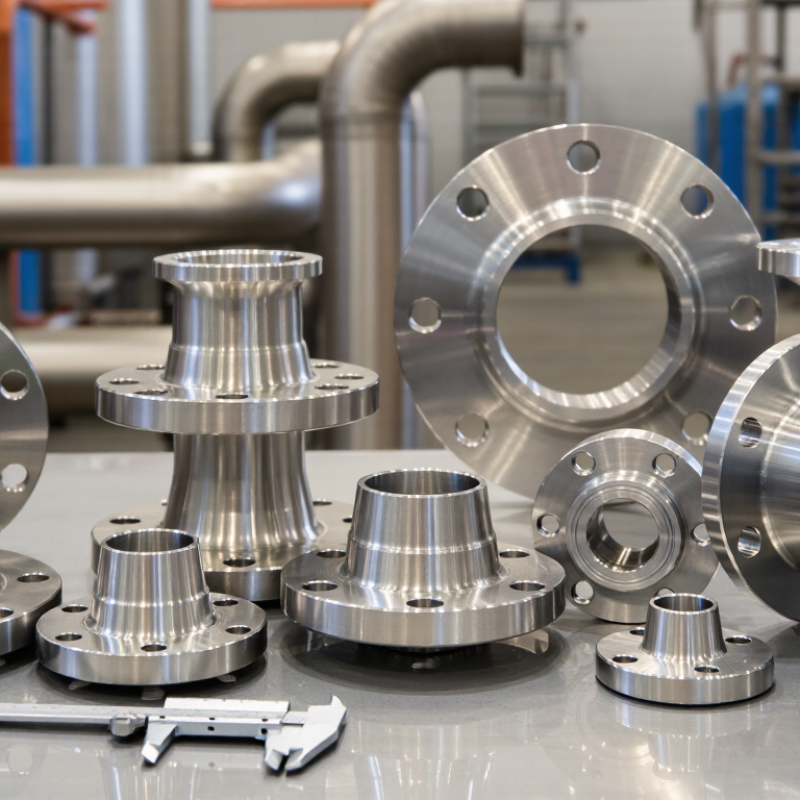
During evaluation, review sample records, dimensional reports, and responses to technical questions. A capable supplier should explain weld-neck, slip-on, blind, and threaded flange limits without vague claims. Check packaging details too: capped faces, rust protection, labeled bundles, and moisture-resistant wrapping. My purchasing reviews have shown that small labeling errors can delay installation more than a modest price difference. That lesson is easy to overlook. Perfection is unlikely. The strongest choice balances documented quality, transparent pricing, and delivery evidence against actual project risk.
How to Choose the Right Supplier for Your Project
Choosing among the 10 best stainless steel flange suppliers in 2026 requires more than comparing prices. Start with your project conditions. Check pressure, temperature, media, flange size, facing type, and connection standard. A supplier should explain why 304, 316L, or another grade fits your service conditions. Vague answers deserve caution.
Request material test reports, dimensional inspection records, and clear traceability for every batch. Confirm the applicable ASTM, ASME, EN, or project specification before placing an order. Ask how the supplier controls bolt-hole alignment, flange thickness, welding quality, and surface finish. Small deviations can create leaks during installation.
Look beyond the product catalogue. Review production capacity, inspection equipment, packaging methods, and realistic lead times. Ask for sample drawings or a pre-shipment inspection plan. Protective end covers and moisture-resistant wrapping matter when flanges travel long distances.
I once trusted a low quotation and overlooked delivery details. The price seemed attractive, but the project later needed costly schedule adjustments. That mistake still influences how I assess suppliers.
A capable supplier should communicate quickly and document changes. Test their response with practical questions about tolerances and replacement procedures. Do not rely only on polished certificates. Verify certificate numbers, inspect sample markings, and compare documents with the actual flange. A supplier may meet the standard, yet still lack the consistency your project requires.