How to Choose the Right Steel Pipe Fitting for Your Project?
When embarking on a project that requires steel pipe fittings, the right choice is crucial. According to John Smith, a seasoned expert in pipeline engineering, “Selecting the appropriate steel pipe fitting can make or break your project.” His insights reflect the importance of understanding the myriad types available.
Steel pipe fittings come in various shapes, sizes, and materials. Each serves a distinct purpose. The wrong selection can lead to leaks, structural failures, or project delays. There is no one-size-fits-all solution.
Additionally, experience plays a vital role in making the right decision. While guidance is available, it is essential to assess your specific needs. Understanding your project requirements is non-negotiable. In this context, expert advice can be invaluable. Balancing cost, durability, and efficiency is often a challenge that requires careful consideration. An informed choice in steel pipe fittings does not just enhance the integrity of your work but also builds confidence in your capabilities.
Understanding the Different Types of Steel Pipe Fittings Available
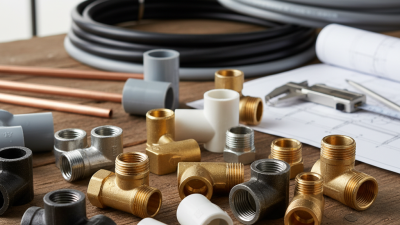
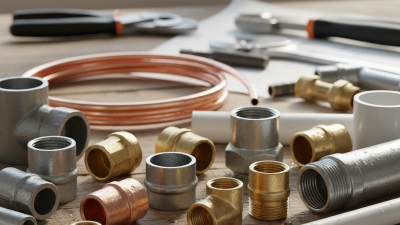
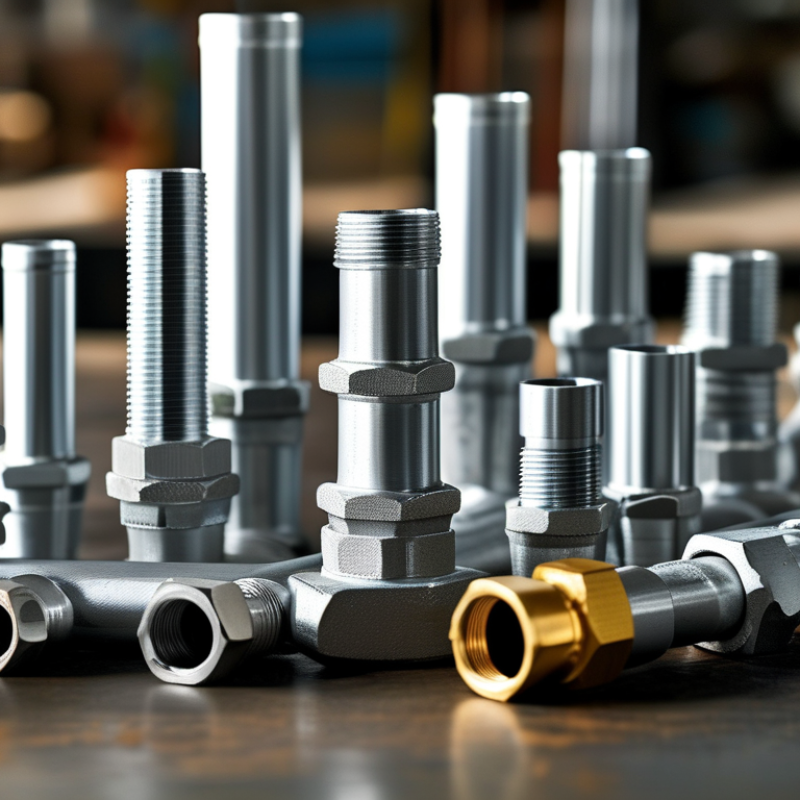
When selecting steel pipe fittings for your project, understanding the various types available is essential. Steel pipe fittings come in several designs, each serving a specific purpose. Common types include elbows, tees, and couplings. Elbows change direction in a piping system, while tees allow for branching. Couplings connect two pipes of similar diameters. Choose the right type based on your project's unique needs.
Material quality also plays a significant role in your selection. Steel fittings can be made from different steel grades, such as carbon steel and stainless steel. Carbon steel is generally more affordable and suitable for low-pressure applications. Conversely, stainless steel offers excellent corrosion resistance, making it ideal for harsh environments. Assess your project's environment before making a decision.
In addition, consider the fitting's pressure rating and temperature tolerance. Not all fittings can handle high pressure or extreme temperatures. Therefore, you might face challenges selecting a fitting that fits all criteria. Document your requirements and consult with professionals if needed. Understanding these details can lead to effective and reliable piping solutions for your project.
How to Choose the Right Steel Pipe Fitting for Your Project?
| Fitting Type |
Description |
Common Applications |
Size Range |
Material |
| Elbow |
Used to change the direction of the flow in the pipeline. |
Gas and water piping systems. |
½" to 48" |
Carbon steel, stainless steel |
| Tee |
Used to create a branch in the pipeline. |
Fire protection systems, plumbing. |
½" to 36" |
Carbon steel, alloy steel |
| Reducer |
Used to connect pipes of different diameters. |
Petroleum and chemical industry. |
½" to 24" |
Stainless steel, carbon steel |
| Coupling |
Used to connect two pipes together. |
Used in various piping applications. |
½" to 36" |
Carbon steel, stainless steel |
| Cap |
Used to close the end of a pipe. |
Water supply, gas shutoff. |
½" to 24" |
Stainless steel, carbon steel |
Key Factors to Consider When Selecting Steel Pipe Fittings
Choosing the right steel pipe fitting can be daunting. Many factors influence your decision. One crucial aspect is the application. Different projects require different fittings. Assess the pressure and temperature conditions your pipes will face. High-pressure systems need robust fittings. On the other hand, low-pressure systems may allow for lighter options.
Another important factor is the material compatibility. Steel comes in various grades, each suited for specific environments. Corrosion resistance is vital in some settings. For example, fittings in coastal areas need to withstand saltwater corrosion. Do not overlook this detail. Also, consider the installation environment. Tight spaces may require compact fittings or specific angles.
Budget constraints can also limit options. It's essential to balance cost and quality. Cheaper fittings might save money initially but may fail sooner. That leads to costly repairs. Reflect on your project’s long-term needs. Selecting the right fitting involves a combination of knowledge and experience. Don’t rush the decision. Take time to evaluate all factors before making a purchase.
Industry Standards and Specifications for Steel Pipe Fittings
When selecting steel pipe fittings, industry standards play a critical role. Understanding specifications is vital for successful projects. According to the American Society for Testing and Materials (ASTM), fittings must meet specific criteria for materials and dimensions. For instance, ASTM A234 defines the requirements for wrought carbon and alloy steel fittings. Ensuring compliance with these standards guarantees quality and performance.
The American National Standards Institute (ANSI) also sets guidelines that impact fitting selection. Their standards ensure compatibility with various steel pipes. For example, ANSI B16.9 covers factory-made wrought steel fittings. It specifies dimensions, tolerances, and pressure ratings. Following these guidelines helps prevent installation issues and enhances safety.
Industries often face challenges with fitting selection. Not every project requires the same specifications. It’s essential to assess the working environment and pressure levels. For example, in high-temperature applications, the choice of material becomes crucial. Additionally, workshops sometimes overlook critical factors like corrosion resistance. This can lead to failures, underlining the importance of meticulous planning. Ensuring your choices align with industry standards can significantly enhance project outcomes.
Steel Pipe Fitting Types and Usage in Construction Projects
Assessing Pressure Ratings and Temperature Tolerances for Fittings
When selecting steel pipe fittings, understanding pressure ratings is critical. Each fitting is designed to handle specific pressures. Exceeding these ratings can lead to dangerous leaks or failures. It's essential to check the manufacturer's specifications. This practice ensures safety and reliability for your project.
Temperature tolerance also plays a vital role. Fittings that operate in extreme heat or cold can behave unpredictably. Materials may expand or contract. This can affect the integrity of connections. Knowing the operating temperature range is not enough; consider the environment as well. Factors like humidity can impact performance too.
Choosing the right fitting is complex. Not all fittings will meet your needs. Small mistakes can lead to significant issues later. It's wise to consult with experts. They can provide insights based on experience. However, don’t overlook your instinct and research. Balancing expert advice with personal knowledge is key.
Cost Analysis: Budgeting for Steel Pipe Fittings in Your Project
When budgeting for steel pipe fittings, it’s essential to analyze material costs carefully. Reports indicate that steel prices fluctuate, affected by global supply chains and tariffs. As of early 2023, the average price of steel pipe fittings was around $2.50 per pound, which may vary based on style and quality. Setting a realistic budget can save money and prevent overspending.
Tips: Consider bulk purchasing. It lowers per-unit costs significantly. Check local suppliers for discounts on large orders.
Understanding specific project requirements also influences costs. For instance, project piping systems may need various fittings, such as elbows and tees, each with different price points. A project with complex demands might push costs up to 15% over budget if not planned well.
Tips: Always factor in future maintenance costs. Affordable fittings may lead to regrets if replacements are frequent. Evaluate long-term investments versus immediate expenses.