Top Stainless Steel Flange Types and Their Applications?
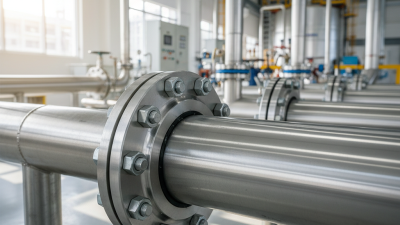
Stainless steel flanges are crucial components in various industries. They provide a reliable connection for pipes and other equipment. The use of stainless steel ensures durability and resistance to corrosion. This is essential in harsh environments.
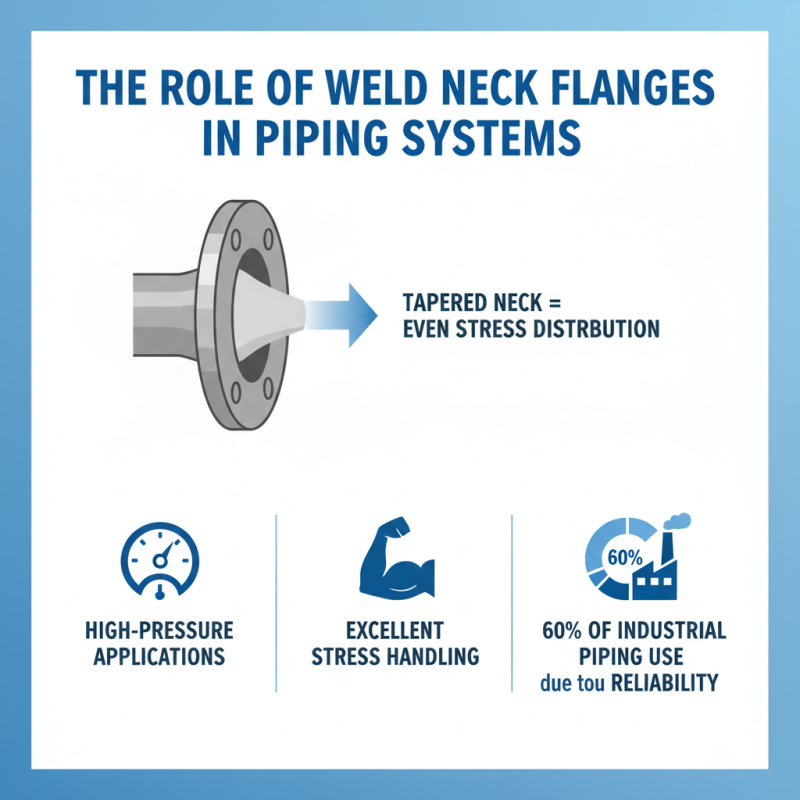
Different types of stainless steel flanges serve specific applications. For instance, slip-on flanges are easy to install and cost-effective. Weld neck flanges, on the other hand, offer superior strength and are ideal for high-pressure systems. The right choice of flange impacts performance and safety.
Choosing the correct stainless steel flange type can be challenging. Each type has its strengths and weaknesses. It's important to consider the application requirements. Awareness of the intended use will guide the selection process. Making informed choices is crucial in engineering and manufacturing.
Top Stainless Steel Flange Types and Their Applications
When discussing stainless steel flanges, it’s essential to understand the various types and their specific applications. Common types include slip-on, weld-neck, and blind flanges. Each type serves different needs in piping systems.
Slip-on flanges are popular because they are easy to install. These flanges are often used in low-pressure systems. Their versatility makes them suitable for various industries.
Weld-neck flanges require welding to ensure a secure connection. They are ideal for high-pressure applications. This type of flange provides excellent strength. However, installing them can be complex and requires skilled labor.
Blind flanges are used to seal the ends of pipelines. They prevent flow in systems that need isolation. Their application is critical in maintenance and safety situations.
While stainless steel flanges offer durability, they are not immune to corrosion over time. Factors like temperature and chemicals can impact their lifespan. Regular inspections are necessary to ensure functionality. Many applications can benefit from different flange types, but understanding these details is crucial. Choosing the correct flange can either enhance or compromise system efficiency. Regular training and research into the latest advancements can help maintain authority and reliability in these selections.
Understanding the Different Types of Stainless Steel Flanges
Stainless steel flanges are essential components in piping systems. They connect pipes, valves, and equipment securely. Various types cater to different industrial needs.
Weld neck flanges are popular in high-pressure applications. They provide a strong weld connection, ideal for demanding environments. Their long neck helps with alignment during installation.
Another common type is the slip-on flange. This type slips over the pipe's end, making it easy to install. It is less expensive and works well in low-pressure systems.
Blind flanges, which seal the ends of pipes, prevent flow, making systems safer. They are crucial in maintenance and testing scenarios.
Understanding flange specifications is vital. Factors like pressure ratings and material types influence choice. However, each flange type has its strengths and weaknesses.
Misunderstanding these can lead to costly mistakes. An inappropriate flange can compromise the entire system. Regular inspection and maintenance can help avoid issues.
Knowledge about flanges ensures reliability and longevity in piping systems.
Applications of Slip-On Flanges in Various Industries
Slip-on flanges are widely utilized across various industries due to their ease of installation and reliable sealing capabilities. These flanges are designed to slide over the pipe ends and are then welded to complete the assembly. They are suitable for low-pressure applications, often found in industries such as water treatment, oil and gas, and chemical processing. According to industry reports, the global flange market is projected to grow, reaching significant revenues by 2027. This growth can be attributed to the increasing demand for durable piping systems.
In the oil and gas sector, slip-on flanges play a crucial role. They are commonly employed in pipelines where frequent maintenance is required. They provide a strong joint that can withstand the fluctuations in operating conditions. This adaptability is key, as pipelines often face variable temperatures and pressures. Moreover, slip-on flanges can be made from various materials, including carbon steel and stainless steel, enhancing their versatility.
Tip: Always consider the operating conditions when selecting flanges. A flange that works well in one environment may not suit another. Thoroughly assess the pressure and temperature requirements before making a decision.
Moreover, slip-on flanges are frequently used in municipal water systems, assisting in the seamless connection of pipes. However, improper installation can lead to leaks. It's crucial to ensure that the flange is properly aligned and welded. This attention to detail can prevent costly repairs down the line.
Tip: Regular inspections can identify potential issues with flanges before they become critical. Implement a maintenance schedule to prolong the lifecycle of your piping systems.
Benefits of Blind Flanges in Pressure Management and Sealing
Blind flanges play a crucial role in managing pressure and ensuring tight seals in various industrial applications. According to a recent market analysis, the global flange market is projected to reach USD 100 billion by 2025, driven by the demand for efficient sealing solutions. This indicates a significant interest in components, such as blind flanges, that can prevent leaks and maintain system integrity in high-pressure environments.
The design of blind flanges enables them to cover open ends of piping systems. This feature is essential in pressure management, especially during maintenance or construction phases. Research suggests that proper sealing techniques can reduce leaks by up to 50%, which directly impacts operational costs. The ability to withstand extreme temperatures further emphasizes their reliability. However, not all blind flanges are created equal; material selection and proper installation are factors that require careful consideration.
Despite their advantages, there are challenges that often arise. For instance, improper installation can lead to seal failure, resulting in costly downtime. Industry experts recommend regular inspections and maintenance routines to identify wear and prevent potential failures. Addressing these concerns can maximize the benefits of blind flanges in pressure-sensitive applications while ensuring safety and efficiency in industrial operations.
Conclusion
This article provides an insightful overview of the various types of stainless steel flanges and their diverse applications across industries. Among the key types discussed are slip-on flanges, which are widely used due to their ease of installation and versatility. Additionally, the role of weld neck flanges is highlighted, emphasizing their importance in providing robust connections in piping systems, particularly under high-pressure conditions.
The article also explores the benefits of blind flanges, which are crucial for pressure management and sealing applications, as they effectively close off piping ends. Lastly, threaded flanges are examined for their utility in temporary connections, showcasing the flexibility and functionality of stainless steel flanges in different operational settings. Overall, understanding these types and their applications can significantly enhance the efficiency and reliability of fluid systems.