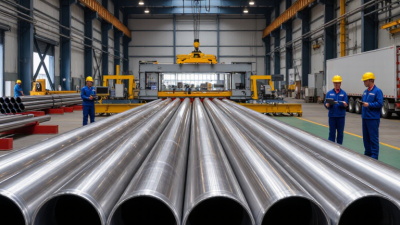
Choosing the right Carbon Steel Pipe is not simply a matter of selecting a diameter from a catalog. The pipe must suit the fluid, operating conditions, connection method, and installation environment. A line carrying water through a sheltered plant has different demands from one exposed to outdoor weather or repeated temperature changes. Details matter.
Start with the required size, wall thickness, and pressure and temperature limits. Then consider the steel grade and whether the pipe will be seamless or welded. Neither option is automatically best; suitability depends on the specification and application. Check the applicable industry standards, product markings, and mill test documentation, and confirm that the material matches the project requirements. A smooth-looking surface alone proves little.
Corrosion deserves particular attention. Moisture, soil contact, and process fluids can affect service life, so coatings, linings, or other protective measures may be needed. Think about the full route, too: a pipe that fits the design may still be awkward to handle, cut, or connect on site. Measure carefully. A few millimeters can complicate alignment.
Reliable selection usually involves comparing supplier documentation with the design specification and asking a qualified engineer to review uncertain conditions. Buyers can overlook details when schedules are tight; that happens. Still, a low purchase price cannot make an unsuitable grade or wall thickness safe. The best choice is the one supported by clear requirements, traceable records, and realistic operating assumptions—not by appearance or habit alone.
Start by defining what the carbon steel pipe will carry and where it will operate. Water, steam, oil, and abrasive slurries place different demands on a pipe. Note the design pressure and normal temperature, then check for short-term spikes during startup, shutdown, or cleaning. Small deviations matter.
A pipe is not chosen by diameter alone. That matters. Confirm the required outside diameter, wall thickness, and connection type against the system design. Consider vibration, support spacing, and thermal expansion, especially on long runs or near pumps. For a wet or chemically active environment, assess corrosion risk and whether a lining, coating, or different material is needed. Carbon steel can be a practical choice, but it is not immune to corrosion.
Operating records are useful, though they are not always complete. A log may miss a brief temperature surge or a pressure fluctuation. Check available service data and applicable engineering specifications before selecting a grade or manufacturing route. Seamless and welded pipe may suit different designs, but neither should be assumed suitable without checking its stated requirements. When conditions are uncertain, document the assumptions and have a qualified engineer review them.
Choosing a carbon steel pipe grade starts with its service conditions, not the price tag. Record the operating pressure, temperature, fluid, and expected loads before comparing grades. ASTM A106/A106M specification data lists Grade B minimum tensile strength of 60 ksi and minimum yield strength of 35 ksi. These values help screen candidates, but they do not prove a pipe is suitable for every design. A grade name can look reassuring; it still leaves important questions unanswered.
Tips: Check whether the pipe will face low temperatures, cyclic loads, or corrosive moisture. These conditions may call for impact testing, tighter material controls, or a corrosion allowance.
Match the grade to the governing pipe specification and required properties. For example, low-temperature service needs careful review of toughness requirements, while welded systems need suitable chemistry and fabrication procedures. Ask for material test reports to verify grade, heat number, and measured properties against the purchase specification. Also confirm dimensions and wall thickness; pressure capacity depends on more than grade alone. Carbon steel can rust in wet service, so account for coatings, lining, or maintenance. It is easy to overfocus on strength and overlook the environment.
Choose pipe diameter from the required flow, not by matching the connection size alone. Estimate the flow rate and acceptable pressure loss, then check whether the pipe’s internal diameter can carry the fluid at a suitable velocity. Nominal pipe size is not always the measured inside diameter; wall thickness changes the available bore. Confirm the outside diameter and schedule against the fittings and drawings. Small details matter.
Select wall thickness for the design pressure and temperature, while allowing for corrosion, erosion, and external loads where relevant. A thicker wall can provide a useful margin, but it also reduces the internal diameter and adds weight. Check the applicable engineering standard and have a qualified engineer verify the final selection for the service conditions. A frequent sizing mistake is choosing thickness from pressure alone and overlooking supports, vibration, or handling loads.
Set pipe length around the actual installation, including fitting engagement, weld preparation, and space for field adjustments. Long runs may need more supports, while transport limits can make shorter sections easier to handle. Allow for thermal movement in hot-service lines, especially near fixed anchors. Measure twice. Even a careful layout can miss an obstruction, so leave practical room for alignment before cutting.
Choosing the right carbon steel pipe starts with its manufacturing route, but the route alone does not determine quality. Seamless pipe has no longitudinal weld and is often selected for demanding pressure service; dimensions and inspection still matter. Welded pipe can offer economical, consistent sizes. Check the weld inspection and applicable specification for the intended duty. Details matter.
Surface finish affects handling and protection. A mill finish may suit dry indoor service, while pickling removes scale before coating or painting. Galvanizing adds a zinc layer, but suitability depends on temperature, fluid chemistry, and design. Paint and other coatings need proper surface preparation. Scratches and bare cut ends can become weak points. Not always obvious.
Match corrosion protection to actual exposure: moisture, salts, soil contact, and trapped condensation all matter. For buried or outdoor pipe, specify coating type, thickness, and repair method, including protection for joints and field cuts. Ask for material certificates, dimensional checks, and pressure-test records where the project requires them. I would not treat a bright finish as proof of durability.
A carbon steel pipe can look sound on a rack and still be wrong for the job. Start by matching its standard and grade to the service conditions, design code, and project specification. ASTM A53, ASTM A106, and API 5L cover different applications; they are not interchangeable by default. Check the required edition, size, wall thickness, and manufacturing method. Small wording differences matter.
Ask for a material test report tied to the pipe’s heat number. The report should identify the grade and show the required chemical and mechanical results. Confirm which tests apply, such as hydrostatic testing or specified nondestructive examination. Do not assume every pipe receives the same inspection. Compare markings on the pipe with the documents, and investigate gaps before installation. Paperwork can look tidy. The details still need checking.
Supplier quality deserves the same scrutiny as the specification. Review how the supplier controls traceability, inspection equipment, nonconforming material, and storage. Calibration records and clear corrective-action procedures are useful evidence, not decoration. If possible, inspect sample markings and packaging before shipment; damaged ends and surface rust can complicate handling. A certificate alone cannot reveal every weakness. Requirements may also be unclear in a project document, so pause and ask for written clarification rather than guessing.
| Decision Area | What to Verify | Useful Evidence or Checks | Selection Guidance |
|---|---|---|---|
| Service conditions | Fluid or gas, design pressure and temperature, corrosion environment, installation method, and applicable code. | Approved piping specification, design documents, and project or regulatory requirements. | Confirm the pipe standard is suitable for the actual service; do not select by material name alone. |
| ASTM A53/A53M | Whether the application calls for covered seamless or welded steel pipe, and whether the ordered type and grade meet the design requirements. | Purchase order and material test report (MTR) identifying the specification, grade, manufacturing type, and applicable edition. | Commonly specified for general mechanical and pressure applications. Check the project specification for permitted type and grade. |
| ASTM A106/A106M | Whether seamless carbon steel pipe for high-temperature service is required, including the specified grade. | MTR and inspection records confirming the ordered grade and required chemical, tensile, and other specification tests. | Use where the design specifically requires this high-temperature seamless pipe specification; confirm temperature and code suitability with the engineer. |
| API Specification 5L | Line-pipe requirements, including ordered grade, product specification level (PSL), delivery condition, and any supplementary requirements. | MTR and inspection documents showing the ordered API 5L grade and PSL, plus required testing and traceability. | Typically used for pipeline service. Do not assume a grade or PSL is interchangeable with another specification. |
| ASTM A333/A333M | Whether the application requires carbon or alloy steel pipe for low-temperature service and the specified grade. | MTR and records for the required mechanical tests, including impact testing where specified by the grade and order. | Consider for low-temperature service only when the design requirements and specified grade are met. |
| Dimensions and end details | Nominal pipe size (NPS), schedule or specified wall thickness, outside diameter, length, end preparation, and tolerances. | Dimensional inspection records; check representative pieces for outside diameter, wall thickness, length, and end condition. | Match the dimensions and tolerances in the purchase order and governing standard. Nominal size is not the same as measured outside diameter. |
| Material chemistry and mechanical properties | Specified chemical composition, tensile properties, and any additional properties required by the order. | Heat-specific MTR showing test results and the applicable acceptance limits; verify consistency with the ordered grade. | Review actual reported values against the specified standard and purchase requirements rather than relying on a generic product description. |
| Hydrostatic or nondestructive examination | Which examination is required or permitted for the selected product and order, and whether any alternative requires approval. | Test certificates or inspection records identifying the examination performed, results, and applicable acceptance criteria. | Requirements vary by specification, product type, and order. Confirm the applicable method and acceptance criteria; do not assume every pipe uses the same test. |
| Weld and manufacturing controls | For welded pipe, verify the manufacturing route and any weld examination or additional requirements specified for the product. | Manufacturing and inspection records, including applicable weld examination results where required. | Check that the supplied manufacturing type matches the order and that required examinations are documented. |
| Traceability and documentation | Ability to link each pipe or bundle to its heat number, grade, specification, and inspection records. | Legible markings, matching bundle tags, heat numbers, MTRs, and inspection documents. | Resolve missing, inconsistent, or unreadable identification before accepting or installing the material. |
| Supplier quality controls | Documented quality processes, control of outsourced testing, nonconformance handling, and inspection access where required. | Quality-system documentation, sample inspection records, calibration records, and agreed inspection or audit reports. | Assess evidence relevant to the order and risk. A quality-system certificate alone does not prove that a specific pipe shipment conforms. |
| Shipment condition and preservation | Surface condition, end protection, contamination, corrosion, handling damage, and packaging suitability. | Receiving inspection, photographs of damage, packing list, and review of coating or preservation requirements. | Document defects at receipt and compare the shipment with the purchase order before installation. |