Leave Your Message

2026 Top Carbon Steel Pipe Types for Global Buyers

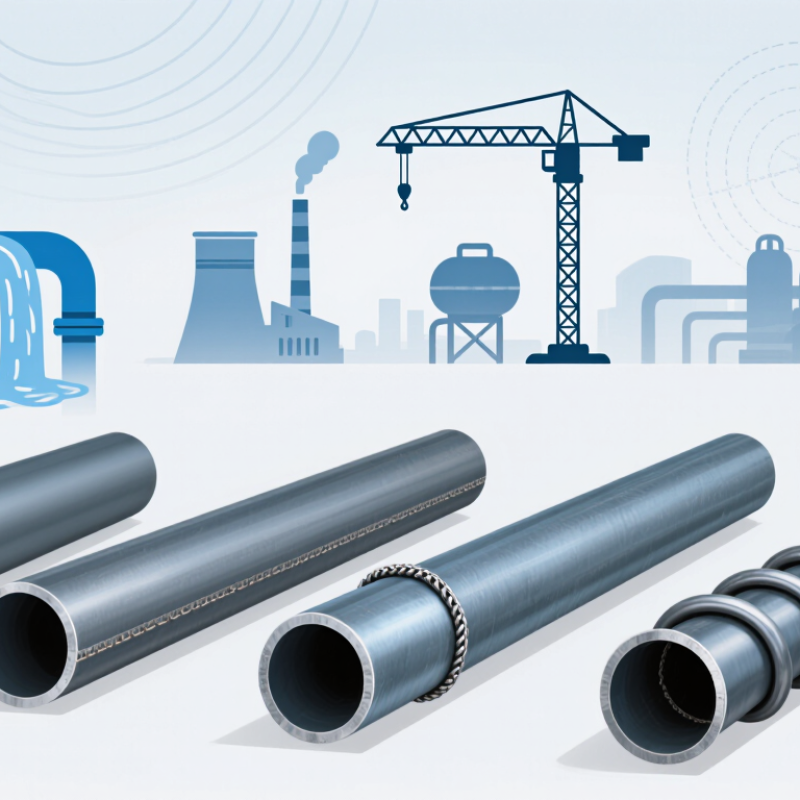
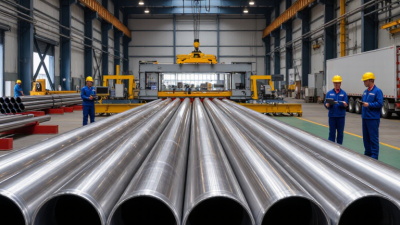
Carbon steel pipe remains a practical choice for water systems, energy projects, construction, and industrial plants. In 2026, global buyers can choose from several types, but the right option depends on the job. Common categories include seamless pipe, electric resistance welded (ERW) pipe, longitudinal welded pipe, and spiral welded pipe. Each manufacturing method affects dimensions, production capacity, and suitable applications. No type is best in every case.

A pipe that looks right on a specification sheet may not suit the site. Pressure, temperature, fluid conditions, wall thickness, diameter, and installation method all matter. So do the required grade, inspection records, and applicable project standards. Buyers should compare these details with the supplier’s technical documents and confirm that stated specifications match the intended service. Small gaps can become costly later.

This guide explains the main Carbon Steel Pipe types and the differences buyers should consider. It also covers common uses, selection factors, and questions to raise with manufacturers. The aim is practical comparison, not a universal recommendation. Details matter. Even experienced teams can overlook an assumption, especially when sourcing across markets. Check the project requirements carefully before placing an order.

2026 Top Carbon Steel Pipe Types for Global Buyers

Carbon Steel Pipe: Definition, Composition, and Key Properties

Carbon steel pipe is made mainly from iron, with carbon as its principal strengthening element. Carbon content and processing shape hardness, strength, ductility, and weldability. Small differences matter. Higher carbon can improve strength and hardness, but often makes forming and welding more demanding. Pipe grades also control manganese, silicon, and residual elements; exact limits depend on the applicable specification.

World Steel Association’s World Steel in Figures 2024 reports global crude steel production of 1,892.2 million tonnes in 2023. This indicates the scale of steel supply, not carbon steel pipe output. For buyers, composition alone cannot predict service life. Wall thickness, manufacturing route, heat treatment, and operating temperature also influence performance. Carbon steel generally offers useful strength and machinability, but it can corrode in wet or chemically aggressive environments without suitable protection. No grade is perfect. A practical review should compare the required pressure and temperature with mill test results, including chemical analysis and mechanical properties. Even then, field conditions may differ from the assumptions on a purchase sheet.

ASTM A106 specifies maximum carbon content limits of 0.25% for Grade A, 0.30% for Grade B, and 0.35% for Grade C. These are specification limits, not measured values for individual pipes.

How Carbon Steel Pipes Are Manufactured and Classified

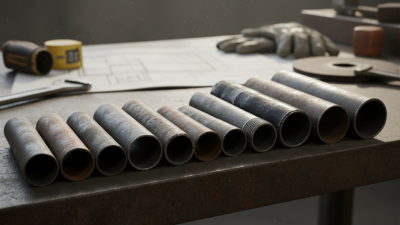
Carbon steel pipe begins as either a solid billet or a flat steel strip. For seamless pipe, a heated billet is pierced and rolled into a hollow shape, then sized to its required diameter and wall thickness. Welded pipe starts as strip or plate, formed into a cylinder and joined along a seam. Common processes include electric-resistance welding and submerged-arc welding.

The work does not end at the weld. Mills may apply heat treatment, straighten the pipe, and inspect dimensions and surface condition. Depending on the product specification, checks can include ultrasonic testing, radiography, or a hydrostatic pressure test. Requirements vary, so buyers should confirm the applicable standard and inspection scope rather than assume every pipe receives the same tests. Small details matter.

Classification usually reflects how the pipe was made, its steel grade, dimensions, and intended service. Grade indicates properties such as chemical composition and strength; schedule is a common way to describe wall thickness relative to nominal pipe size. Seamless construction is not automatically the better choice, and welded pipe is not automatically unsuitable. A category label alone can mislead. Compare the stated specification, test records, and material traceability with the actual operating conditions. Paperwork is part of the product, though it can still deserve a careful second look.

Major Carbon Steel Pipe Types for Global Buyers in 2026

Global buyers commonly compare seamless, ERW, and SAW carbon steel pipes. Seamless pipe has no longitudinal weld and suits demanding pressure or temperature service when its grade and design are appropriate. ERW pipe is made from formed steel strip with a welded seam; it is widely used in water systems, construction, and general industrial lines. Large-diameter SAW pipe, including LSAW and spiral-welded forms, is often selected for transmission lines and piling.

Diameter is only part of the decision. Check wall thickness, grade, manufacturing route, testing, and the applicable specification. Galvanized carbon steel pipe can help resist atmospheric corrosion in exposed installations, but the coating is not a universal answer for hot fluids or aggressive environments. Structural hollow sections may look similar to line pipe, yet they are designed for different uses. Easy to confuse.

The World Steel Association’s World Steel in Figures 2024 reports 1,892.2 million tonnes of crude steel production in 2023. This indicates the scale of the wider steel supply base, not carbon steel pipe output; the report does not break production down by pipe type. Buyers should therefore compare mill test certificates and independent inspection records, rather than infer pipe quality from global production totals.

Specification language can still leave room for interpretation. Check that the purchase order defines the required tests, tolerances, and end finish.

Common Grades, Standards, and Applications

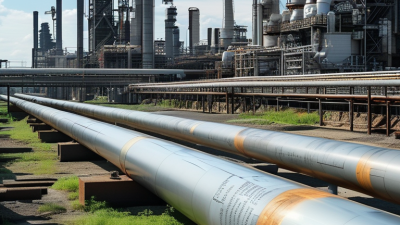
Carbon steel pipe selection starts with operating conditions, not a catalog label. Seamless pipe specified to ASTM A106 is commonly used for elevated-temperature service. ASTM A53 covers welded and seamless pipe for general applications, including water and structural uses. For transmission lines, buyers often compare API 5L or ISO 3183 pipe, with grades such as X42, X52, and X65. Manufacturing routes matter: ERW suits many standard sizes, while LSAW and spiral-welded pipe can serve larger diameters.

Grade alone is not enough. Wall thickness, toughness, weld inspection, and corrosion conditions can change the specification. API 5L also distinguishes product specification levels, so confirm the required level and test documentation before ordering. A tidy grade table can mislead. Check the actual service conditions.

The World Steel Association’s World Steel in Figures 2024 reports 1,892.2 million tonnes of global crude steel production in 2023. This indicates the scale of upstream steelmaking, not the availability of a particular pipe size or grade. Ask suppliers to identify the standard edition, grade, manufacturing method, and mill test certificate details. Even then, project requirements may need a closer technical review.

2026 Top Carbon Steel Pipe Types for Global Buyers — Common Grades, Standards, and Applications
Pipe Type Common Grades Common Standard Typical Form Key Characteristics Typical Applications
General-Purpose Pipe ASTM A53 Grade A or B ASTM A53/A53M Seamless or welded; black or hot-dip galvanized options Used for pressure and general mechanical applications, as well as ordinary structural uses. The specification includes different manufacturing types. Water and air service, building services, mechanical systems, and general-purpose piping.
High-Temperature Seamless Pipe ASTM A106 Grade A, B, or C; Grade B is widely used ASTM A106/A106M Seamless Designed for high-temperature service. Selection should account for operating temperature, pressure, and applicable design codes. Power and process plants, refineries, and other high-temperature piping systems.
Line Pipe API 5L Grade B and X42, X52, X60, or other specified grades API Specification 5L; often specified with PSL 1 or PSL 2 requirements Seamless or welded, depending on grade, size, and project requirements Manufactured for pipeline transportation. Grade, product specification level, testing, and supplementary requirements are defined by the purchase specification. Oil, gas, and water transmission pipelines and associated pipeline systems.
Low-Temperature Service Pipe ASTM A333 Grade 1, 3, or 6; Grade 6 is commonly specified ASTM A333/A333M Seamless or welded, as permitted by the specification Specified for low-temperature service, with impact-testing requirements applicable as defined by the grade and standard. Refrigeration and process piping, cold-region facilities, and other systems operating at low temperatures.
Steel Pipe Piles ASTM A252 Grade 1, 2, or 3 ASTM A252/A252M Welded or seamless pipe piles A specification for welded and seamless steel pipe piles used as structural members. The standard includes three strength grades. Building and bridge foundations, marine works, retaining structures, and other deep-foundation applications.
Structural Hollow Sections ASTM A500 Grade B or C are common examples ASTM A500/A500M Cold-formed round, square, or rectangular tubing; welded or seamless Structural tubing intended for load-bearing applications. It is not a general pressure-piping specification. Frames, columns, trusses, supports, and other building or mechanical structures.

Buyer note: Grade availability and permitted manufacturing routes depend on the applicable standard and product dimensions. Confirm the current standard edition, service conditions, testing, dimensions, and any supplementary requirements in the project specification before ordering.

How to Select Carbon Steel Pipes for Global Projects

2026 Top Carbon Steel Pipe Types for Global Buyers
How to Select Carbon Steel Pipes for Global Projects

Choose pipes by operating conditions, not catalog labels. For high-temperature service, seamless pipe may suit the design; line pipe is built around pipeline requirements. Confirm the specified standard, grade, outside diameter, wall thickness, and end preparation against the project documents. Pressure matters. So do temperature, fluid composition, and installation method. A pipe that looks correct on a purchase sheet may still fail the project’s design assumptions.

The World Steel Association reported 1,892.2 million tonnes of crude steel production in 2023 in its World Steel in Figures 2024 report. That figure shows the scale of steel supply, not the quality of any individual pipe. Ask suppliers for traceable material test certificates, heat numbers, dimensional inspection records, and required hydrostatic or nondestructive test results. Check whether the chosen specification, such as API 5L or ASTM A106, matches the service and contract requirements. Verify the applicable edition with the project engineer.

For international delivery, compare coating needs, corrosion allowance, packing, and port handling before placing an order. Salt air can mark unprotected surfaces during a long voyage. Storage conditions matter, too. One awkward gap: buyers sometimes approve a grade but overlook low-temperature toughness or weldability requirements. Recheck these against the design conditions. Small details travel far.