Who Are the Top Carbon Steel Flange Manufacturers in China?
Choosing a Carbon Steel Flange manufacturer in China takes more than comparing prices or browsing polished product photos. Buyers need to know whether a supplier can consistently meet the required dimensions, material grade, pressure class, and delivery schedule. Small details matter: a flange’s bore, bolt holes, facing, and thickness must match the piping design. A single mismatch can delay installation.
The strongest manufacturers usually provide clear technical documents, material test reports, heat-number traceability, and inspection records. Ask how they control forging, machining, surface protection, and final measurement. Request sample reports and confirm that the stated production capacity fits your order, not just a company profile. A polished catalog is not proof. That sounds neat, but it is not the whole story.
This overview looks at how to identify leading Chinese suppliers and compare their capabilities without treating “top” as a universal ranking. A factory suited to standard flanges may not be the right fit for tight tolerances or custom dimensions. Verify claims directly, clarify acceptance criteria before production, and assess communication as carefully as equipment. Details can change. Reliable sourcing comes from evidence, consistent quality checks, and realistic expectations—not a bold headline alone.
Understanding Carbon Steel Flanges and Their Industrial Uses
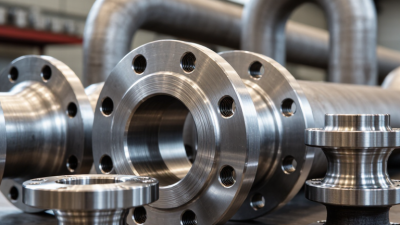
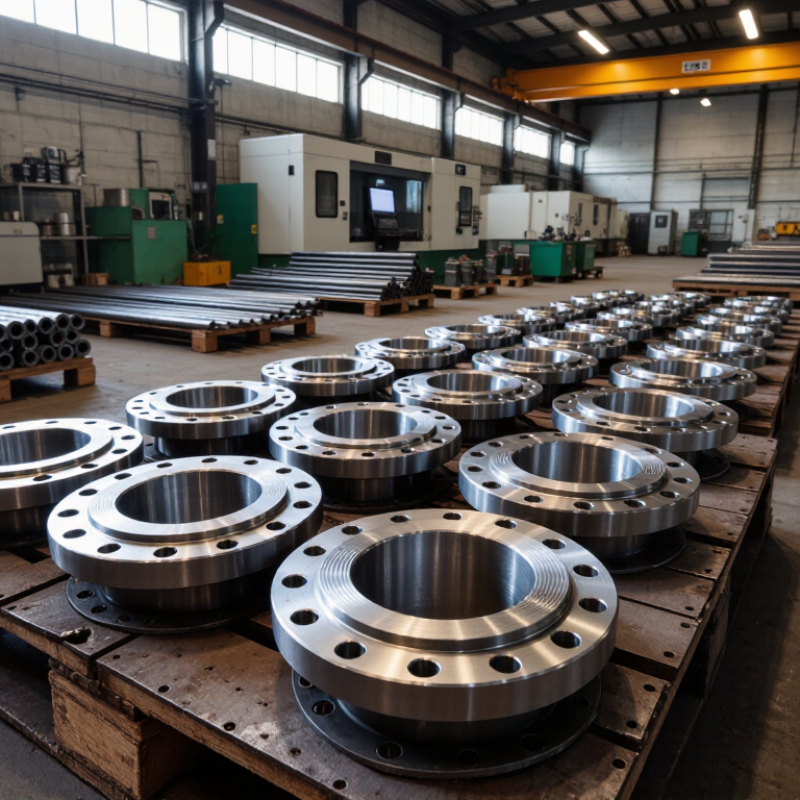
Carbon steel flanges create detachable joints between pipes, valves, pumps, and pressure vessels. They allow technicians to inspect or replace equipment without cutting a pipeline. In a pump room, a bolted flange can make routine maintenance far easier. Common designs include weld-neck, slip-on, socket-weld, and blind flanges. Each suits different pipe sizes, pressure conditions, and installation needs. A raised-face finish helps concentrate gasket pressure around the seal.
Details matter.
Choosing a flange involves more than matching its nominal size. Engineers check pressure and temperature ratings, material grade, face type, bolt pattern, and gasket compatibility. Carbon steel is strong and widely used in water, oil, gas, and process piping, but it can corrode when exposed to moisture or aggressive chemicals. Protective coatings and suitable maintenance may help, though they do not replace correct material selection.
Not always.
Buyers should also review material certificates, dimensional checks, and inspection records. A flange that looks sound can still have an unsuitable rating or poor fit. That practical detail is easy to overlook when schedules are tight.
China’s Carbon Steel Flange Manufacturing Industry
China’s carbon steel flange industry draws strength from a vast steelmaking base. The World Steel Association reported that China produced 1,005.1 million tonnes of crude steel in 2024, about 53% of global output. This figure describes crude steel, not flange production. That distinction matters: national steel capacity alone cannot establish a manufacturer’s delivery record or product quality.
Flange production turns material into a pressure-boundary component through forming, heat treatment, machining, and inspection. Buyers can examine material certificates, heat numbers, flange dimensions, and test records, then compare them with the specified standard, such as ASME B16.5 or GB/T 9119. Look closely at the sealing face: visible tool marks, uneven finish, or damaged edges can signal handling or machining issues. Small details matter. A large steel base helps, but it does not guarantee consistency. Public statistics offer little visibility into flange-specific output, so factory audits and sample inspections remain important. Even a neat certificate deserves checking against the physical part.
Criteria for Identifying Leading Chinese Flange Manufacturers
When assessing carbon steel flange manufacturers in China, look beyond product photos and quoted prices. Ask for material certificates, heat-number traceability, and inspection records tied to the actual order. These details help buyers verify that the steel grade and dimensions match the purchase specification. Paper is not proof. Check whether records are complete, consistent, and available before shipment.
Production capability matters, but it should match your order rather than simply sound impressive. Review the manufacturer’s machining equipment, testing methods, and capacity for repeat orders. Ask how staff check bolt-hole spacing, flange thickness, and sealing-face finish. Clear answers are useful. Vague assurances are not. Communication can also reveal how carefully a supplier handles changes, delays, or nonconforming parts. Request a sample or arrange an independent inspection when practical. One caveat: a sample may not represent every production batch. Compare several factors, and keep your own acceptance criteria in writing.
Notable Carbon Steel Flange Manufacturers in China
Notable Carbon Steel Flange Manufacturers in China
China’s carbon steel flange sector includes large integrated plants and smaller specialists serving project, maintenance, and custom-order needs. Their capabilities vary. Some focus on standard weld-neck, slip-on, or blind flanges, while others handle drawings with unusual dimensions or machining requirements. A polished catalogue is useful, but it cannot confirm how a flange was made.
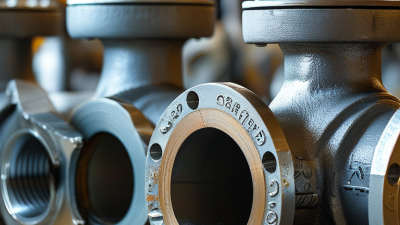
Look for clear material traceability, dimensional inspection records, and stated manufacturing standards. Ask how the supplier verifies grade, pressure class, outer diameter, and bolt-hole spacing. These details matter. For critical service, request relevant test documents and confirm that markings match the paperwork. A flange may look sound on a warehouse floor and still fail a fit check at installation.
Shop-floor clues can help: consistent edge finishing, legible heat numbers, and careful packaging suggest disciplined handling. Ask about production capacity and lead times, but treat broad promises cautiously. One weakness in supplier comparisons is overreliance on price. Low cost says little about inspection depth or batch consistency. Request a sample inspection report, clarify tolerances in writing, and check whether the manufacturer can explain any deviation without vague assurances.
Carbon Steel Flanges in China: ASTM A105 Chemistry Limits
A material-specification reference for evaluating carbon steel flange suppliers—not a manufacturer ranking.
Bars show the specified maximum content by weight. ASTM A105 also specifies minimum ranges for manganese (0.60%) and silicon (0.10%); actual requirements depend on the applicable standard edition and product specification.
Comparing Manufacturers by Standards, Capacity, and Product Range
Comparing China’s carbon steel flange manufacturers means looking beyond catalog size. Check whether a supplier can manufacture to the standard and dimensions your project actually requires. Common specifications include ASME B16.5, EN 1092-1, and applicable GB/T standards. Confirm the edition, pressure class, facing, and tolerances in writing. Details matter. Ask for material certificates and inspection records linked to the flange heat number. A certificate is useful only when it can be traced to the delivered batch.
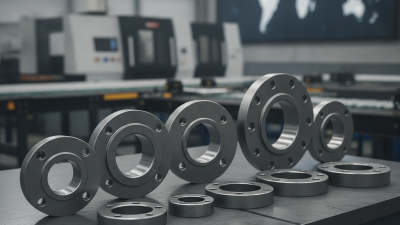
Production capacity depends on more than a large workshop. Ask about forging equipment, machining range, heat-treatment control, and inspection facilities. These affect lead times and consistency, especially for large diameters or custom drilling. Product range also matters: some manufacturers focus on weld-neck and slip-on flanges, while others offer blind, threaded, and socket-weld types. A broad catalog can look impressive, yet may conceal reliance on outside processing. That deserves a closer look. Compare sample documents, realistic delivery schedules, and the maker’s ability to explain defects or corrective actions. I would not rank a supplier by capacity alone; an unverified claim is still just a claim.