Top 10 Carbon Steel Flanges for Global Buyers to Consider?
When it comes to industrial applications, the Carbon Steel Flange is an essential component. These flanges are widely used for their strength and durability. They can withstand high pressures and temperatures, making them a reliable choice for various piping systems. As global demand increases, buyers need to carefully consider their options.
This article explores the top ten Carbon Steel Flanges that stand out in the market. Each option has unique features and advantages. Understanding these differences is crucial for making a well-informed decision. Buyers must evaluate the specifications thoroughly. Not all flanges are created equal, and what works for one situation might not suit another.
Selecting the right Carbon Steel Flange can impact the efficiency and safety of operations. It’s important to consider factors such as corrosion resistance and pressure ratings. Each choice has its strengths and weaknesses. Reflecting on past experiences can offer insights into what might work best. Ultimately, this guide aims to assist global buyers in navigating their choices effectively.
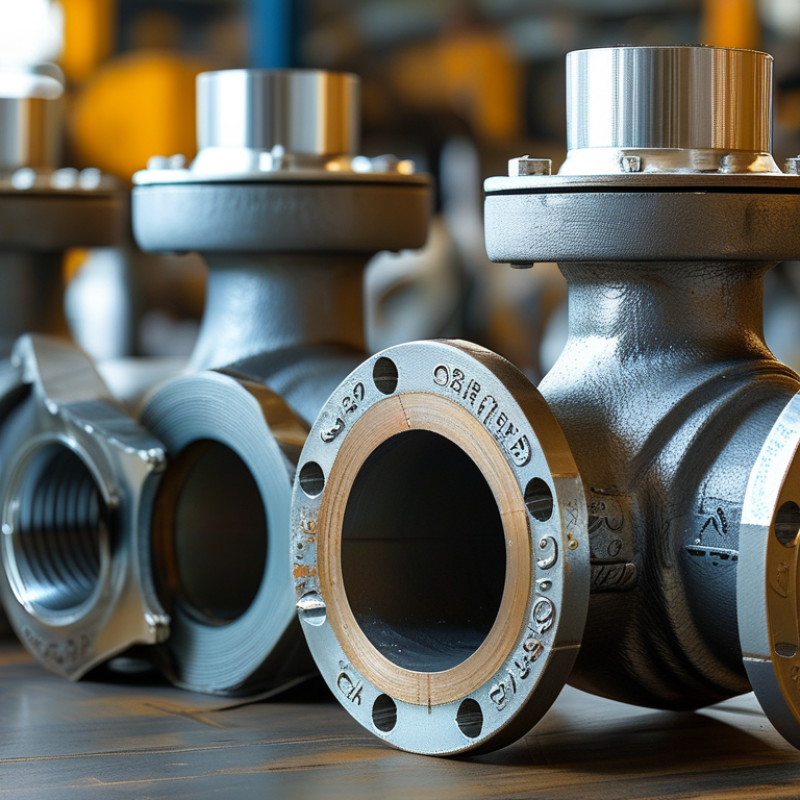
Overview of Carbon Steel Flanges and Their Applications
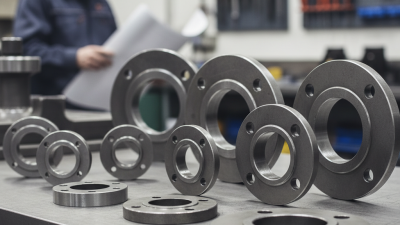
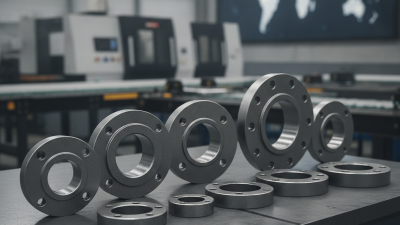
Carbon steel flanges play a crucial role in various industrial applications. They are widely used in piping systems to connect pipes, valves, and pumps. Their strength and durability make them ideal for high-pressure environments. These flanges come in various sizes and dimensions, accommodating different project requirements.
One key application is in the oil and gas sector. Here, carbon steel flanges are used for transferring fluids safely and efficiently. They can withstand extreme pressure and temperature changes. However, their susceptibility to corrosion when exposed to certain environments cannot be overlooked. Regular monitoring and maintenance are necessary to prevent failures in such critical applications.
In construction and manufacturing, carbon steel flanges are also common. They provide a secure connection, ensuring system integrity. The selection of appropriate flange types is vital. It affects installation quality and long-term performance. Some buyers might overlook the importance of sourcing reliable products, which can lead to costly repairs or replacements later. Balancing cost and quality is essential for success in any project involving carbon steel flanges.
Top 10 Carbon Steel Flanges for Global Buyers to Consider
| Type |
Nominal Size |
Pressure Rating |
Material Grade |
Application |
| Welding Neck Flange |
2 inch |
150# |
A105 |
Piping Systems |
| Slip-on Flange |
3 inch |
300# |
A106 |
Oil & Gas |
| Blind Flange |
4 inch |
600# |
A182 |
Sealing Lines |
| Socket Weld Flange |
1 inch |
1500# |
A105 |
High Pressure Systems |
| Lap Joint Flange |
6 inch |
150# |
A234 |
Chemical Processing |
| Threaded Flange |
1.5 inch |
300# |
A105 |
Low-Pressure Applications |
| Orifice Flange |
4 inch |
300# |
A105 |
Flow Measurement |
| Spectacle Blind Flange |
5 inch |
600# |
A105 |
Isolation |
| Screwed Flange |
2.5 inch |
150# |
A105 |
Maintenance |
| Reducing Flange |
3 inch to 2 inch |
150# |
A105 |
Pipe Size Modification |
Key Factors to Consider When Selecting Carbon Steel Flanges
Selecting the right carbon steel flanges requires careful consideration of several key factors. One major aspect is the material grade. The American Society for Testing and Materials (ASTM) classifies carbon steel into various grades, impacting strength and corrosion resistance. For instance, ASTM A105 is commonly used for flanges in piping systems subjected to high temperatures and pressures.
Another critical factor is the flange standard. Common standards include ANSI, ASME, and API. Each standard defines dimensions, tolerances, and pressure ratings. Knowing the compatibility of flanges with existing systems is crucial for long-term reliability. According to a 2022 industry report, approximately 40% of flange failures can be traced back to improper selection of standards.
Quality assurance is also paramount. Look for flanges that undergo rigorous testing, such as hydrostatic tests and ultrasonic inspections. An industry analysis revealed that flanges that pass these tests show a 30% increase in operational lifespan. Additionally, consider the supplier's reputation and their approach to sustainability. Reliable suppliers adopt eco-friendly practices, ensuring a minimal environmental impact while maintaining product integrity.
Top 10 Carbon Steel Flanges: Features and Specifications
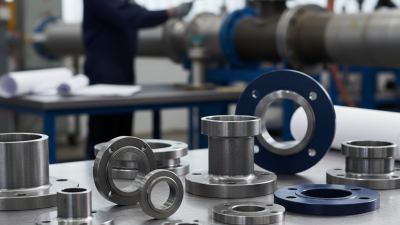
When choosing carbon steel flanges, understanding their features and specifications is essential. These essential components come in various types, including weld neck, slip-on, and blind flanges. Industries utilize these flanges, primarily in piping systems. Each type has distinct benefits tailored to specific applications.
Weld neck flanges provide a robust and leak-proof connection, making them ideal for high-pressure systems. According to industry reports, they are often used in oil and gas applications due to their strength. In contrast, slip-on flanges are easier to install, allowing for quick assembly. They tend to be less expensive but may not withstand the same pressure levels as weld neck options.
Materials for carbon steel flanges must meet specific standards. A283 and A105 are commonly used grades. A283 has improved weldability for better fabrication, while A105 offers higher tensile strength. Understanding these differences is crucial for selection. In some situations, a mismatch between flange type and application can lead to failures or costly repairs, highlighting the need for careful consideration.
Comparison of Global Manufacturers of Carbon Steel Flanges
The global carbon steel flange market has become a focal point for industrial buyers. Data from industry reports indicate a consistent growth rate of approximately 6% annually. This growth is driven by increased demand in sectors such as oil and gas, construction, and manufacturing. Countries with robust manufacturing capabilities like China and India lead in production, but competition is rising from smaller players.
When evaluating manufacturers, aspects like fabrication techniques and material quality should be considered. Many companies now emphasize sustainability in their production processes. In a recent analysis, about 30% of users reported that eco-friendly practices influence their purchasing decisions. Ensuring compliance with international standards is crucial, as it reflects a commitment to quality and safety.
**Tip:** Look for manufacturers that offer comprehensive certification for their products. This guarantees they meet industry benchmarks.
Despite the positive trends, challenges persist. Variability in raw material prices can impact cost stability. Close monitoring of market trends is essential for making informed purchases. Consider the entire scope of the supply chain when choosing suppliers, as this can affect lead times and availability.
**Tip:** Communication with suppliers is key. Regular updates can help mitigate potential delays and ensure alignment with your project timelines.
Trends and Innovations in Carbon Steel Flange Technology
The carbon steel flange market is evolving rapidly, driven by technological advancements and innovative production techniques. Recent reports indicate that the global carbon steel flange market is projected to grow by 5.1% annually from 2023 to 2030. This trajectory reflects the increasing demand for durable and efficient piping solutions across various industries.
One major trend is the shift towards enhanced corrosion resistance in carbon steel flanges. Manufacturers are experimenting with alloy compositions and surface treatments. For instance, the introduction of specialized coatings has shown a potential increase in lifespan by up to 40%. Additionally, technologies like 3D printing are being explored, allowing for custom designs that challenge traditional manufacturing limitations.
Despite these advancements, challenges remain. Quality control in production processes can be inconsistent, leading to variability in flange performance. This inconsistency can impact project timelines and costs. As end-users become more aware, the focus on stringent testing and certification will likely intensify, pushing manufacturers to rethink their quality assurance methods. Adapting to these demands is crucial for staying competitive in the evolving market landscape.