Top Quality Stainless Steel Pipes from China for Global Suppliers?
In the modern industrial landscape, Pipe Stainless products are crucial for various applications. These pipes are essential for construction, automotive, and plumbing industries. China has emerged as a leading manufacturer of top-quality stainless steel pipes, attracting global suppliers.
The expertise in stainless steel production is evident in China's advanced technology and skilled workforce. Many manufacturers adhere to international standards, ensuring reliability and performance. Yet, it is vital for buyers to verify quality and source reputable suppliers.
While the market offers a vast array of options, not all products are created equal. Some manufacturers may cut corners, affecting durability. Therefore, careful selection and due diligence are necessary. By prioritizing quality, purchasers can ensure they invest in the best Pipe Stainless products for their needs.
Overview of Stainless Steel Pipes and Their Applications
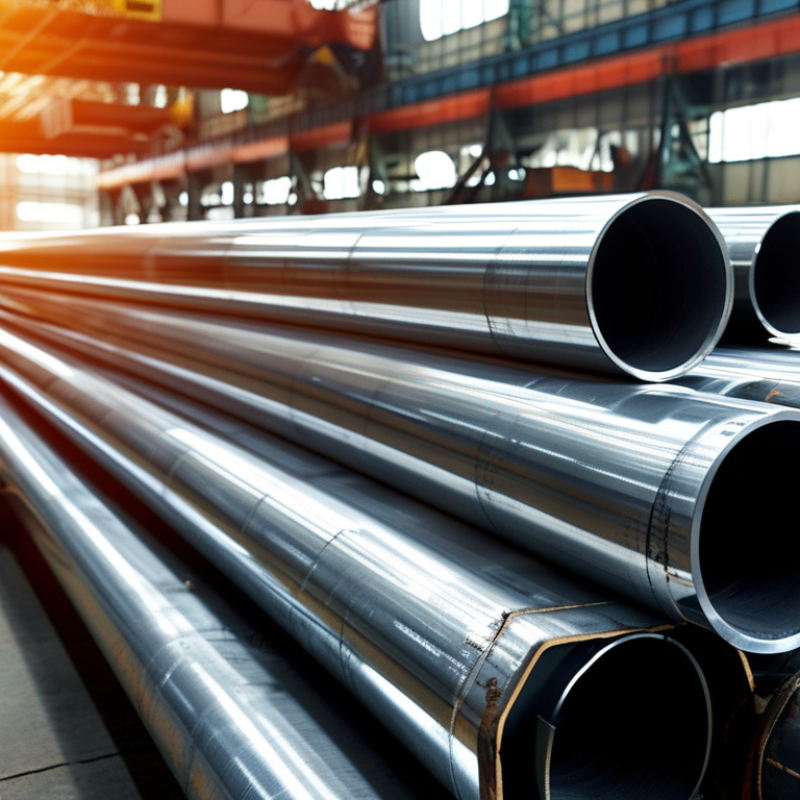
Stainless steel pipes are essential in various industries due to their durability and resistance to corrosion. They are widely used in construction, oil and gas, and food processing. Their versatility makes them ideal for both high-pressure and low-pressure applications. The manufacturing process of these pipes requires precision and expertise, ensuring they meet global quality standards.
When selecting stainless steel pipes, consider their grade and specifications. Different grades serve specific purposes. For example, Type 304 is suitable for food and beverage applications, while Type 316 is preferred for marine environments. Always verify the documentation that accompanies your order. This ensures you receive the correct type for your needs.
It’s crucial to assess suppliers. Not all provide the same level of quality and service. Ask about their production processes and quality control measures. Look for manufacturers with a proven track record. Reliable suppliers should be willing to provide samples for testing. Negotiating terms and understanding warranties can prevent future issues. Problems encountered during transportation or installation should be noted for reflection and improvement. Accurate planning can reduce complications and promote better overall outcomes.
Key Advantages of Using Stainless Steel Pipes
Stainless steel pipes offer numerous advantages that make them a preferred choice for various applications. One of the key benefits is their resistance to corrosion. This feature ensures that the pipes maintain their structural integrity over time, even when exposed to harsh environments. For industries requiring durability, this characteristic becomes critical.
Another essential advantage is the ease of fabrication. Stainless steel pipes can be easily cut and welded, allowing for flexibility in design. This quality is particularly beneficial for custom projects, enabling suppliers to adjust to diverse client needs. However, the fabrication process can be complex, and it’s essential to ensure skilled workers are involved to mitigate errors.
Additionally, stainless steel pipes have a clean appearance. Their polished surface not only looks aesthetically appealing but also reduces bacterial growth. This quality is particularly relevant in food processing and healthcare industries. Yet, the higher cost compared to other materials raises questions about budget considerations. Finding the right balance between quality and cost can be challenging, requiring careful planning and evaluation.
Quality Standards and Certifications for Stainless Steel Pipes
When sourcing stainless steel pipes, quality standards and certifications are vital aspects to consider. Global suppliers look for materials that meet stringent criteria to ensure durability and performance. In 2022, around 40% of stainless steel used in construction met the ISO 9001 quality management standard. This certification emphasizes continual improvement and effective processes, crucial for those who rely on such materials.
Global production of stainless steel pipes rose to 50 million tons by 2023, showing growing demand. The American Society for Testing and Materials (ASTM) sets several standards that detail pipe specifications, ensuring safety and reliability. Compliance with ASTM standards can enhance the reputation of suppliers. However, not all manufacturers consistently deliver. Variations in production processes might result in subpar products, even from certified companies.
Quality should be a non-negotiable element. Buyers can request a Certificate of Compliance from suppliers, confirming their products meet regulatory standards. Evaluating third-party test reports can provide additional assurance. When sourcing, maintain a checklist to evaluate quality certifications, and inspect samples when possible. Taking these steps will help mitigate risks associated with inferior materials in industrial applications.
Quality Comparison of Stainless Steel Pipes from China
Major Manufacturers of Stainless Steel Pipes in China
China has emerged as a major player in the global stainless steel pipe market. The country is home to numerous manufacturers that specialize in producing high-quality stainless steel pipes for various applications. These pipes are widely used in industries such as construction, automotive, and energy. Many Chinese manufacturers focus on innovation and technology to enhance their production processes.
When evaluating manufacturers, it's vital to consider their expertise. Many companies boast extensive experience in stainless steel production. They often have dedicated research and development teams. This focus on innovation helps them stay competitive. However, some manufacturers still struggle with quality control. This is a crucial factor for suppliers looking to maintain a strong reputation.
Additionally, transparency in the supply chain is critical for fostering trust with global partners. Reliable manufacturers often provide certifications to prove quality standards. Yet, not all suppliers maintain these standards consistently. This inconsistency can lead to challenges for businesses worldwide. Understanding the landscape of stainless steel pipe manufacturers in China requires careful consideration of these factors.
Global Market Trends for Stainless Steel Pipes Supply
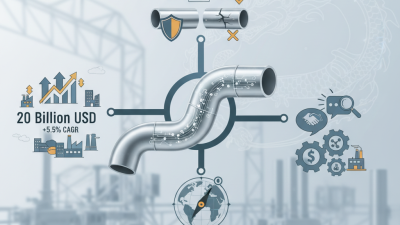
The global market for stainless steel pipes is witnessing significant shifts. In 2022, the stainless steel pipe market was valued at approximately USD 60 billion and is projected to grow at a CAGR of around 5% through 2030. This growth is influenced by rising demands in the construction and automotive sectors. The increasing need for durable and corrosion-resistant materials drives the focus towards high-quality stainless steel pipes.
China remains a dominant player in this market. Reports indicate that Chinese manufacturers account for nearly 30% of global stainless steel pipe production. However, some challenges persist. There are quality inconsistencies among suppliers, causing uncertainty for global buyers. A recent survey found that 40% of international purchasers expressed concerns about the reliability of Chinese products. This highlights the need for stringent quality assessments and certifications within the supply chain.
Furthermore, environmental regulations are shaping industry practices. Companies are now pressured to adopt sustainable manufacturing processes. A study revealed that up to 70% of manufacturers are investing in eco-friendly technologies. This trend may improve the quality of stainless steel pipes while reducing their environmental footprint. As the market evolves, suppliers must adapt to maintain competitiveness and meet emerging demands.