Top Steel Pipe Fitting Suppliers in China for Global Buyers?
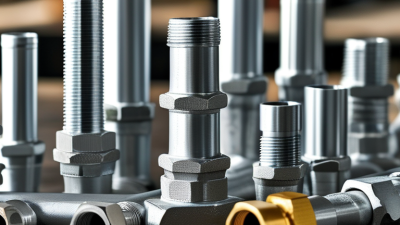
In recent years, the demand for high-quality steel pipe fittings has surged worldwide. With the growing construction and manufacturing sectors, buyers are searching for reliable suppliers in China. Steel pipe fittings are essential components that ensure the integrity of piping systems. They connect pipes, adapt size, and change direction.
Chinese suppliers have gained a reputation for their expertise in producing durable and cost-effective steel pipe fittings. Their commitment to quality and innovation is evident in their manufacturing processes. However, navigating this vast market can be daunting for global buyers. Not all suppliers meet international standards.
Selecting the right supplier requires careful consideration. It involves assessing quality control measures, production capacity, and customer service. Buyers often face challenges related to communication and cultural differences. A thoughtful approach can lead to fruitful partnerships with reputable companies.
Top Steel Pipe Fitting Suppliers in China for Global Buyers
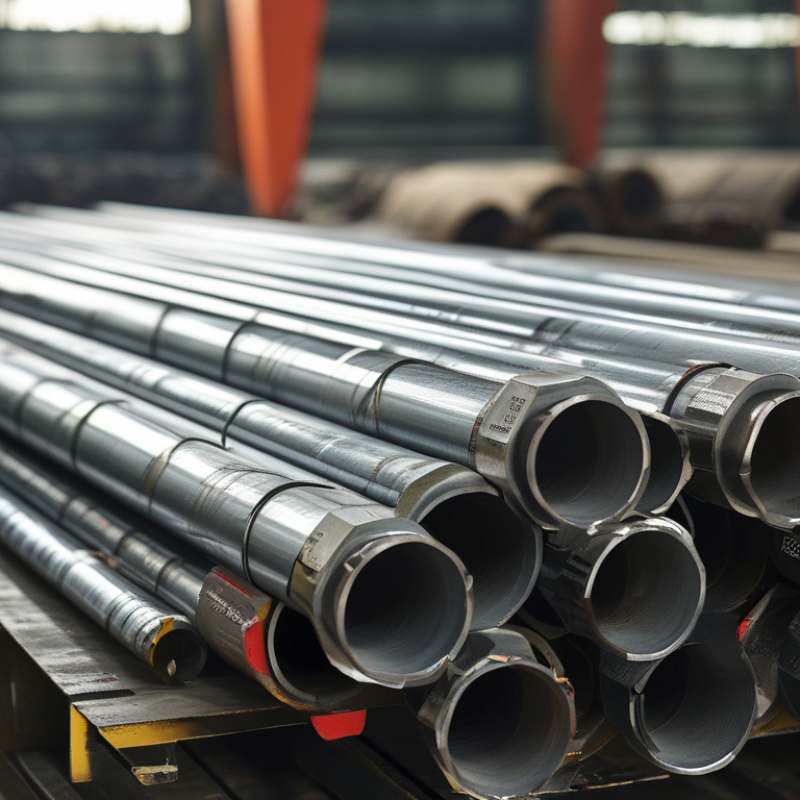
When navigating the steel pipe fitting market in China, global buyers encounter a myriad of options. The industry boasts numerous suppliers, each presenting unique advantages. It's crucial for buyers to evaluate these suppliers based on their experience and professional knowledge. Many manufacturers offer extensive catalogs, showcasing various sizes and connections. This helps in catering to specific project requirements.
However, availability does not always guarantee quality. Some suppliers may struggle with inconsistent product standards. Buyers should consider requesting quality certifications. Effective communication is another challenge. Language barriers may complicate negotiations or after-sales support. Engaging local intermediaries can help bridge this gap, ensuring smoother transactions.
While China is known for cost-effective production, it’s vital to assess the total value offered. Price alone shouldn't dictate choices. Buyers must also look into logistics, delivery timelines, and customer service reputation. Striking a balance between cost and reliability is essential for successful sourcing. This meticulous approach can yield long-term partnerships in a competitive market.
Top Steel Pipe Fitting Suppliers in China for Global Buyers
Overview of China's Steel Pipe Fitting Industry and Market Trends
China's steel pipe fitting industry plays a pivotal role in global supply chains. The country's production capabilities have expanded significantly over the past decade. Manufacturers focus on meeting international standards to compete effectively. This attention to quality ensures reliable connections for various applications.
Market trends indicate a growing demand for resilient and versatile steel products. Environmental concerns are also influencing the industry. Many factories are adapting to sustainable practices, which is crucial for long-term viability. Industry players must navigate these changes carefully.
Despite these positive trends, challenges persist. Overproduction can lead to price fluctuations. It is crucial for suppliers to maintain efficiency. Changes in global trade policies may disrupt established patterns. Ongoing market analysis is essential for understanding these dynamics in China’s steel pipe fitting sector.
Criteria for Evaluating Steel Pipe Fitting Suppliers in China
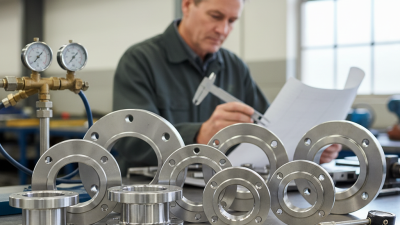
When evaluating steel pipe fitting suppliers in China, it’s important to consider several key factors. The quality of materials is crucial. High-quality steel ensures durability and resistance to corrosion. Buyers should request certifications to validate quality claims. Assessing a supplier’s production processes can reveal their commitment to excellence.
Experience in the industry is another indicator of reliability. A supplier with a proven track record is likely to meet your needs more effectively. Discovering their history can provide insights into their expertise. Additionally, understanding their customer service approach is essential. Responsive support can make a significant difference in your buying experience.
Pricing also plays a role, but it shouldn’t be the sole factor. While competitive prices are appealing, excessively low rates may signal inferior quality. Balancing cost with quality is vital. Ultimately, establishing trust with a supplier will enhance your partnership. Verifying references and seeking feedback from previous customers can help in making your final decision.
Top Steel Pipe Fitting Suppliers in China for Global Buyers
| Supplier Type |
Annual Revenue (USD) |
Export Experience (Years) |
Certifications |
Customer Ratings (Out of 5) |
| Manufacturer |
$50 Million |
15 |
ISO 9001, CE |
4.5 |
| Distributor |
$30 Million |
10 |
ISO 14001 |
4.2 |
| Exporter |
$70 Million |
20 |
API, ASME |
4.7 |
| Trading Company |
$25 Million |
8 |
ISO 9001 |
4.0 |
Leading Steel Pipe Fitting Manufacturers in China: Profiles and Strengths
China stands as a major player in the global steel pipe fitting industry, with significant manufacturers making an impact. In 2022, the country's production of steel fittings reached approximately 15 million tons, showcasing its robust capability. Many of these manufacturers have invested heavily in technology to enhance production efficiency and product quality. This evolution results in fittings that meet international standards.
Leading manufacturers exhibit a strong emphasis on R&D. Approximately 12% of their annual revenue is typically reinvested into innovation. By developing advanced carbon steel and alloy fittings, these companies cater to various industries, from oil and gas to construction. For global buyers, the ability to customize specifications is essential. Many suppliers can produce unique fittings to meet specific project requirements.
However, challenges remain in the sector. Not all manufacturers maintain consistent quality control measures, leading to variations in product reliability. Furthermore, fluctuations in raw material prices can impact final product costs. Buyers must tread carefully. Verifying supplier credentials and past performance data becomes crucial in ensuring reliable partnerships in this competitive landscape.
Exporting Steel Pipe Fittings: Challenges and Solutions for Global Buyers
Exporting steel pipe fittings from China presents various challenges for global buyers. Quality assurance is a major concern. Different manufacturers might adhere to varying standards. This inconsistency can lead to significant issues down the line. Buyers must rigorously vet suppliers to ensure compliance with international regulations.
Communication barriers also pose a challenge. Cultural differences and language issues may lead to misunderstandings in specifications. Ensuring precise communication can be valuable. It's essential to establish clear documentation. Using visuals can sometimes bridge the gap.
Tip: Always request samples before committing to bulk orders. This allows for quality verification and helps build trust. Additionally, consider building relationships with suppliers to ease future transactions.
Logistics can complicate international trade as well. Shipping delays, tariffs, and regulatory changes can slow down the process. Having clarity on timelines helps in managing expectations. Working with experienced freight forwarders can alleviate some complications during the shipping process.
Tip: Stay informed about trade policies that could affect costs. A proactive approach can help mitigate unexpected expenses.
Conclusion
The article "Top Steel Pipe Fitting Suppliers in China for Global Buyers" provides a comprehensive overview of China's steel pipe fitting industry and its emerging market trends. It highlights the importance of evaluating suppliers based on specific criteria such as product quality, manufacturing capabilities, and compliance with international standards. The piece also profiles leading manufacturers in the sector, emphasizing their strengths and market positions.
Moreover, the article addresses the challenges faced by global buyers when exporting steel pipe fittings from China, offering potential solutions to navigate these obstacles. Lastly, it discusses the future prospects for Chinese steel pipe fitting suppliers, underscoring their potential to thrive in global markets as demand continues to grow. The insights shared in this article serve as a valuable resource for buyers looking to make informed decisions in sourcing steel pipe fittings.